




A Shift from 'One-Size-Fits-All'
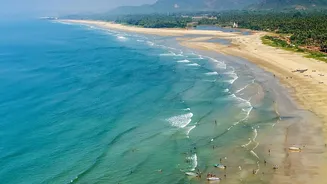
For years, the development of Karnataka's beaches has been compared to the bustling shores of Goa and the serene backwaters of Kerala. While blessed with pristine sands and immense potential for everything from adventure sports to wellness tourism, the state's
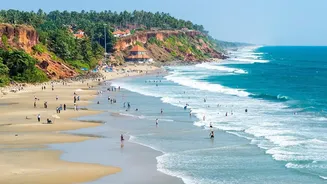
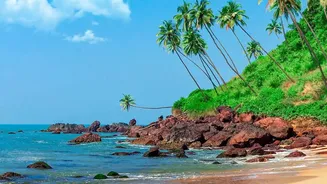
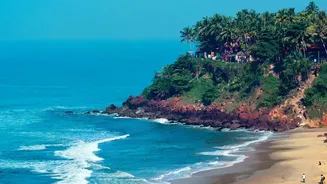
coastline has been held back by a lack of systematic planning. Past approaches were often fragmented. The new strategy, spearheaded by Tourism Minister K J George, marks a significant change. The government has directed officials to abandon a 'one-size-fits-all' model and instead prepare customised 'Tourism Development Master Plans' for every single beach where tourism is permitted under Coastal Regulation Zone (CRZ) norms.
What 'Smarter Planning' Actually Means
The core of this new push is a detailed, beach-by-beach assessment. Before any development, officials will evaluate each location's unique character. This study includes analysing road connectivity, existing infrastructure, environmental sensitivity, and the potential for local employment. The goal is to create tailored plans that outline suitable tourism activities, specific infrastructure requirements like restrooms and parking, and opportunities for private investment. This marks the state's first major scientific evaluation of its coastline's tourism potential, moving away from ad-hoc decisions towards data-driven, sustainable development. It’s a shift from just building things to building the right things in the right places.
The Blue Flag Benchmark
A key ambition of this initiative is to secure more 'Blue Flag' certifications for Karnataka's beaches. This globally recognised eco-label is awarded to beaches that meet strict international standards for water quality, safety, cleanliness, and environmental management. Karnataka currently has three such certified beaches: Padubidri, Kasarkod, and Tannirbhavi. By adopting a master plan approach, the government aims to elevate more of its beaches to this prestigious standard, making them more attractive to both domestic and international tourists who prioritise clean and safe environments. The development will focus on improving visitor amenities, ensuring cleanliness, and promoting water sports to offer a world-class coastal experience.
Balancing Growth and Conservation
A major concern with any tourism development is the impact on the local environment and community. The government has stressed that all development must be environmentally sustainable and tailored to the ecological carrying capacity of each beach. The master plans are being designed to promote tourism within the framework of CRZ regulations without compromising on conservation. Furthermore, the initiative aims to boost local economies by creating employment and integrating communities into the tourism framework. From promoting traditional events like Kambala to developing theme-based circuits for adventure, heritage, and wellness, the plan is to ensure that economic growth benefits the people who call the coast home.
The Road Ahead
The directive has been issued, and the comprehensive assessment is the first step in a long-term vision. The plan is not just about beaches but is part of a wider 'Coastal-Malnad Karnataka Tourism Policy 2026' that also focuses on cruise tourism and world-class visitor infrastructure. The government has identified land banks for development and is working to ease bureaucratic hurdles to attract private investment. While challenges in execution and funding remain, this new, structured approach signals a clear intent: to transform Karavali Karnataka into a premier destination for sustainable hospitality and tourism, finally allowing its magnificent coastline to achieve its full potential.