


The Solo Cooking Challenge
If you've ever stared at a recipe that serves six to eight people and felt a sense of dread, you're not alone. The modern world of recipes often isn't designed for the growing number of single-person households. The result is a frustrating cycle: you either
eat the same meal for a week, watch expensive ingredients wilt in the fridge, or give up and order takeout. This not only impacts your wallet but can also take a toll on your health, as convenience foods are often high in sodium, sugar, and unhealthy fats. The good news is that you don’t have to choose between boredom and waste. By rethinking your approach and embracing smaller batches and your freezer, you can cook delicious, varied, and healthy meals perfectly suited for one.
Master the Art of the Half-Batch
The first step is to learn how to scale down recipes. For many dishes, this is as simple as dividing all the ingredients by two (for a two-serving meal) or four (for a single serving). However, some adjustments require a bit more finesse. While liquids and flours are easy to halve, things like eggs can be tricky. For a recipe calling for one egg that you want to halve, simply whisk the egg and use half of it (about two tablespoons). Spices and leavening agents like baking soda should be scaled down carefully; it's often best to start with slightly less than half and adjust to taste. It’s also wise to use smaller cookware. Cooking a small portion in a large pan can cause it to cook too quickly or unevenly. Investing in smaller pots, pans, and baking dishes will make your single-serving cooking much more successful.
Your Freezer Is Your Best Friend
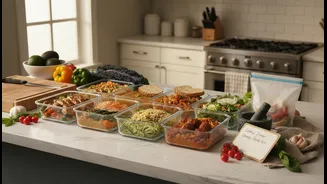
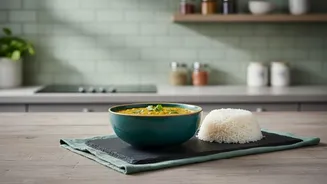
The freezer is the ultimate tool for the solo cook. Instead of seeing it as a place for store-bought frozen dinners, think of it as your personal library of homemade, ready-to-eat meals. The strategy is simple: when you cook, intentionally make a full recipe that serves four or more. Eat one portion fresh, and freeze the rest in individual servings. This “cook once, eat multiple times” method saves an immense amount of time and effort. Over a few weeks, you can build a diverse stash of meals. Craving dal makhani on a Tuesday night? It's waiting for you. In the mood for a hearty soup on a rainy day? Just grab it from the freezer. This approach eliminates the pressure to cook from scratch every single night.
What Freezes Well (And What Doesn't)
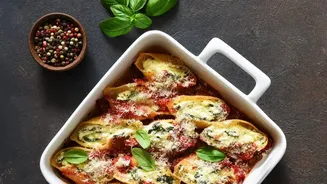
To be successful, you need to know which foods hold up well in the freezer. Soups, stews, chilis, and curries are all fantastic candidates. Pasta sauces and baked pasta dishes like lasagna also freeze and reheat beautifully. You can even freeze components of meals, such as cooked grains, portions of meat, or chopped vegetables like onions and carrots to speed up future meal prep. Some foods, however, don't fare as well. Cream-based sauces can separate, fried foods lose their crispiness, and vegetables with high water content like cucumbers or lettuce will turn mushy upon thawing. It's also best to slightly undercook pasta or vegetables that you plan to freeze, as they will cook a bit more during the reheating process.
Smart Portioning and Storage
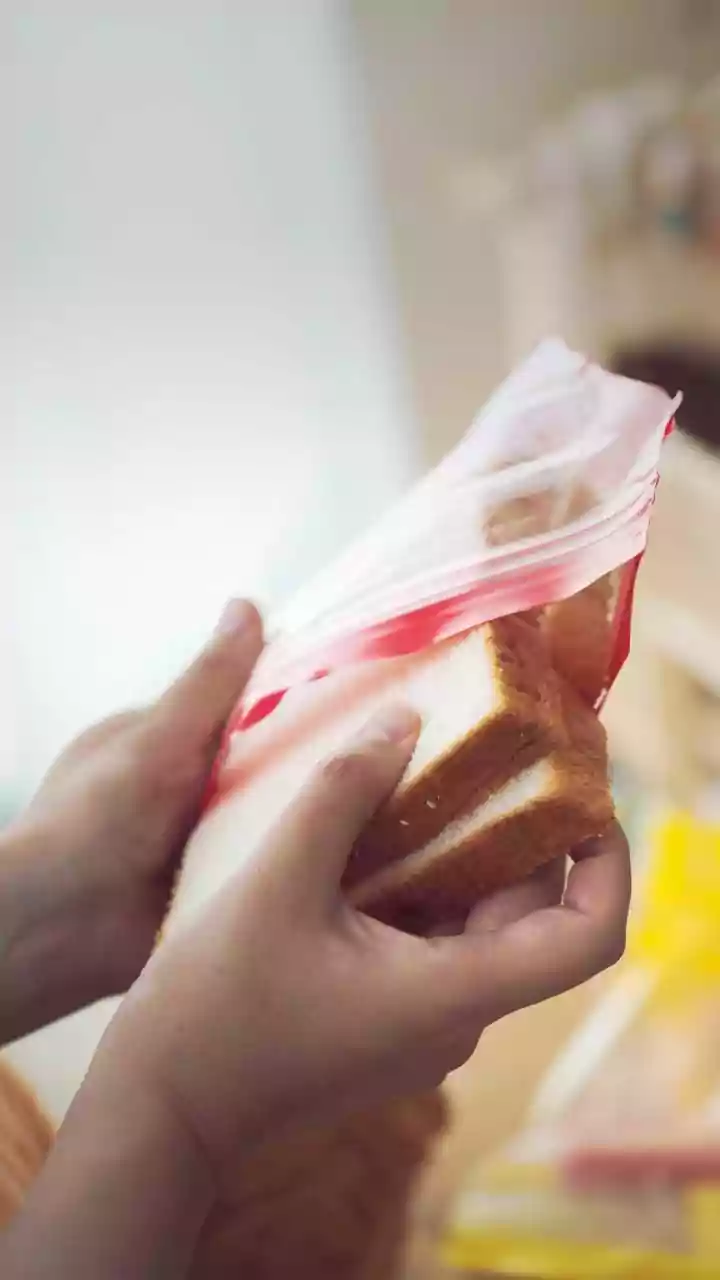
Proper storage is key to preventing freezer burn and ensuring your food tastes great when you're ready to eat it. Invest in good-quality, single-serving containers. Small glass containers, mason jars for soups, and reusable silicone bags are all excellent options. There are even silicone trays, sometimes called Souper Cubes, designed specifically for freezing perfect one-cup or two-cup portions of food. Always let food cool completely before freezing it to maintain texture and safety. Most importantly, label everything clearly with the name of the dish and the date it was frozen. This prevents you from staring at a mystery container in six months, wondering what’s inside. A well-organized freezer makes finding your next meal quick and easy.