




Why Weather Is More Than a Forecast Here
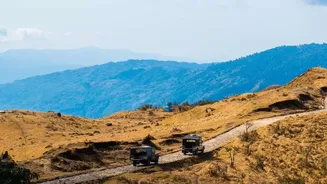
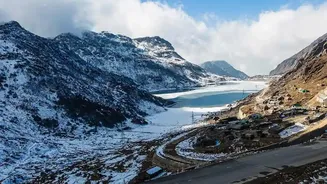
In places like North Sikkim or near the Nathu La Pass, weather isn't just about whether you'll need a jacket; it dictates whether you can travel at all. At altitudes soaring above 14,000 feet, conditions can shift from sunny to snowy in hours. Heavy snowfall
can block roads for days, while monsoon rains from June to September bring a high risk of landslides, often leading to road closures. Understanding and respecting this volatility is the first step. A 'weather check' here is a comprehensive look at temperature, precipitation, wind, and, most importantly, road accessibility, which is often determined by military and local authorities based on conditions.
Decoding Sikkim’s Seasons at Altitude
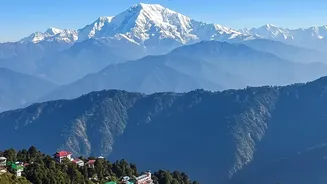
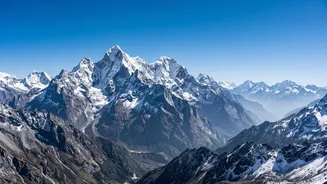
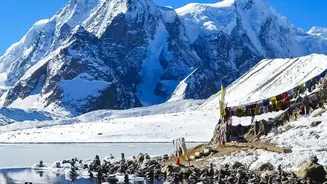
The best times for high-altitude travel in Sikkim are generally considered to be the shoulder seasons. Spring (March to May) offers blooming rhododendrons and melting snow, creating spectacular landscapes in places like Yumthang Valley. Autumn (October to November) provides the clearest skies, with crisp air and unobstructed views of Himalayan peaks like Kanchenjunga. Winter (December to February) is for those seeking snow, but it comes with the highest chance of road closures and extreme cold, with temperatures at Gurudongmar Lake and Nathu La dropping well below freezing. The monsoon season (June to September) is best avoided for high-altitude journeys due to the significant risk of landslides.
The Real 'Weather Check': Beyond the App
While a weather app gives you a temperature estimate, the most crucial information comes from local sources. Your 'weather check' should involve daily communication with your registered Sikkim tour operator and driver. They are in constant touch with a network that provides real-time updates on road status and permit issuance. High-altitude destinations like Gurudongmar Lake and Nathu La require special Protected Area Permits (PAPs), which are only issued if the route is deemed safe and open. These permits for Indian citizens are often arranged just a day in advance, contingent on the weather. This on-the-ground intelligence is far more valuable than any satellite forecast.
Packing for Four Seasons in a Day
The key to comfort is layering. Even in May, a sunny morning in Lachen can be followed by a freezing, windy afternoon at Gurudongmar Lake. Your packing list must include a thermal base layer, a fleece or warm middle layer, and a waterproof and windproof outer jacket. Woollen caps, gloves, warm socks, and UV-protection sunglasses are non-negotiable essentials. Good, sturdy walking shoes with a strong grip are vital for navigating potentially slippery or uneven terrain. Think of your daypack as your survival kit, containing layers you can add or remove as the altitude and weather change.
Weather, Altitude, and Your Health
Weather conditions are intrinsically linked to health at high altitudes. Cold, wind, and low oxygen levels can strain the body. Acute Mountain Sickness (AMS) is a real risk at destinations like Gurudongmar Lake (around 17,800 feet) and Nathu La (14,140 feet). Symptoms include headache, nausea, and dizziness. A slow, gradual ascent is the best preventive measure. This is why itineraries mandate an overnight stay at a lower-altitude base like Lachen (around 8,800 feet) before proceeding to Gurudongmar. A flexible itinerary that accounts for potential weather delays also serves as a crucial buffer for acclimatisation, allowing your body to adjust safely.