









The Unseen Inhabitants of Your Bed
While you sleep, you're not entirely alone. Your bed provides the perfect environment for microscopic creatures, primarily dust mites. These tiny relatives of spiders thrive in warm, humid conditions and feast on the dead skin cells that humans naturally
shed. Each night, you contribute sweat, body oils, and tens of thousands of skin cells, creating a buffet for these pests. It’s not the mites themselves that cause issues, but their waste products and decaying bodies, which are potent allergens. Over time, your mattress, pillows, and sheets can accumulate a significant population of these mites, along with bacteria, fungi, pollen, and pet dander, turning your sleep sanctuary into a hotspot for allergens.
From Allergies to Acne
The buildup of allergens and bacteria in your bedding can have a direct impact on your health. For allergy and asthma sufferers, dust mites are a major trigger, leading to symptoms like sneezing, a runny nose, itchy eyes, coughing, and even breathing difficulties. If you find your allergies worsen at night or first thing in the morning, your bedding could be the culprit. Beyond respiratory issues, dirty bedding can also affect your skin. The accumulation of oils, sweat, and bacteria pressed against your skin for hours can clog pores and lead to acne breakouts, a condition sometimes called 'acne mechanica'. In some cases, it can also exacerbate skin conditions like eczema or lead to fungal infections like ringworm or athlete's foot.
Your Weekly Washing Ritual
To combat this invisible threat, a consistent cleaning schedule is essential. Most experts recommend washing your sheets and pillowcases at least once a week. If you have allergies, sweat heavily, or share your bed with pets, you may want to wash them even more frequently. The key to effectively killing dust mites and bacteria is water temperature. A hot wash, at or above 55-60°C (130°F), is most effective. Always check the care label on your bedding first, as some delicate fabrics may require a colder wash. For these items, a 15-minute cycle in a hot dryer before washing can also kill mites. Using a hypoallergenic detergent can further help reduce irritation for those with sensitive skin.
Beyond the Sheets and Pillowcases
While sheets are the first line of defense, other parts of your bed need attention too. Duvet covers, which are in direct contact with your body, should ideally be washed weekly along with your sheets. The duvet insert or comforter itself doesn't need washing as often; cleaning it two to four times a year is generally sufficient. The same goes for pillows, which should be washed every three to six months to remove the buildup of allergens that have seeped through the pillowcase. Don't forget your mattress protector, which acts as a crucial barrier. This should be washed monthly to keep your mattress fresh and clean. Using allergen-proof covers on your mattress and pillows provides an additional layer of protection.
Don't Forget Other Soft Furnishings
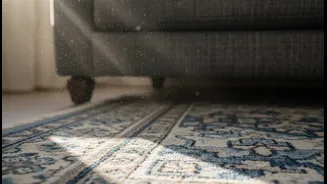
The same principles apply to other soft furnishings around your home. Curtains, upholstered furniture, cushions, and throw blankets are also magnets for dust, dander, and allergens. Just like your bed, these items provide a warm, textured environment where dust mites can thrive. Sitting on a couch can release a puff of allergens into the air. Regularly vacuuming upholstery with a HEPA filter attachment can help remove surface allergens. Washable items like throw blankets and cushion covers should be laundered every few months, or more often if they are used frequently. Regularly cleaning all the soft surfaces in your home helps to reduce the overall allergen load, creating a healthier indoor environment for everyone.