


The Promise of Perfect Peanuts
Store-bought roasted peanuts are reliably crunchy and perfectly salted. Replicating that at home, however, can feel like a culinary puzzle. Many home cooks roast their peanuts to a beautiful golden brown, only to find that the salt, sprinkled on at the end,
dusts right off. The result is a snack that’s underwhelming, with some nuts being bland and others having a harsh, salty exterior that hasn’t properly melded with the peanut itself. It’s a frustrating experience that makes many give up and head back to the store. But the solution is surprisingly simple and lies in understanding a little bit of food science. The key to achieving that perfectly uniform, savoury flavour that makes roasted peanuts so addictive is all about applying the salt during a very specific window of time.
Choose Your Peanuts and Roasting Method
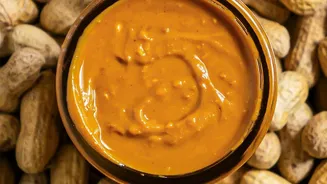
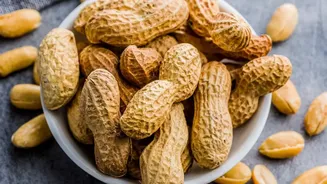
Your journey to superior salted peanuts begins with the right raw ingredients. You can use either shelled raw peanuts with their red skins on or blanched peanuts with the skins removed. Skin-on peanuts tend to have a slightly more robust, earthy flavour, while blanched peanuts offer a cleaner taste. The choice is a matter of personal preference. The roasting method is also flexible. Oven-roasting is the most common technique: simply spread the peanuts in a single layer on a baking sheet. Tossing them with a small amount of a neutral oil like canola or peanut oil first will help them roast evenly and provides a surface for the salt to cling to later. You can also pan-roast them in a dry skillet over medium heat, stirring frequently. Whichever method you choose, the goal is the same: to heat them until they are fragrant and lightly golden. Remember that they will continue to cook and crisp up from residual heat after you remove them from the oven or pan.
The Crucial Moment for Salting
This is the step where the magic happens and the headline's wisdom comes into play. The perfect time to salt your peanuts is immediately after they finish roasting, while they are still piping hot. As soon as you pull them from the oven or pan, transfer them to a large bowl. This is the critical window. When peanuts are hot, their natural oils are drawn to the surface. This light, slick coating of oil is the perfect adhesive. When you sprinkle salt over the hot, oily nuts and toss them vigorously, the salt crystals dissolve slightly and cling to the surface instead of bouncing off. This ensures every single peanut gets an even, consistent coating. If you wait for the peanuts to cool, the surface oils will be reabsorbed, the exterior will become dry, and the salt will have nothing to adhere to. You cannot effectively adjust or set the final salt level once they are cool.
The Right Salt and Technique
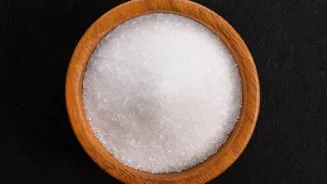
Not all salt is created equal for this task. For the best results, use a fine-grained salt. Fine sea salt or popcorn salt are excellent choices because their small crystals dissolve quickly and distribute more evenly over the surfaces of the peanuts. Coarser salts like kosher salt can work, but they may not adhere as well, leaving you with a less uniform flavour. Flaky finishing salts are best reserved for other applications. When your hot peanuts are in the bowl, start by sprinkling a moderate amount of salt over them. Use less than you think you need at first. Toss the peanuts well for at least 30 seconds to ensure they are all coated. Then, taste one. This is your chance to make an adjustment. If they need more salt, add another light sprinkle and toss again. Because they are still hot, the additional salt will still stick. This ability to taste and adjust is only possible during this hot phase.
The Final Step: Cooling and Storing
Once you are satisfied with the salt level, the final step is to let the peanuts cool completely. Spread them back out in a single layer on the baking sheet or on a plate. As they cool, two things will happen. First, they will become significantly crunchier. Peanuts often feel slightly soft or chewy when they are first removed from the heat, but they crisp up beautifully as they reach room temperature. Second, the flavour of the salt will mellow and integrate with the roasted taste of the nut. The initial harshness of the salt will fade, blending into a perfectly balanced, savoury profile. Once completely cool, store your homemade salted peanuts in an airtight container. They will stay fresh and crunchy for up to two weeks, ready for you to enjoy a snack that is far superior to anything you could buy.