



A Resurgence of Collective Celebration
After years of fluctuating travel patterns, Kolkata's upcoming Durga Puja season in 2026 is shaping up to be a landmark year for the tourism industry. Travel agents and tour operators across the city are witnessing a powerful resurgence in bookings for organized
group tours. This revival marks a decisive shift away from the more isolated travel styles seen in recent times, towards a collective, shared experience of the city’s grandest festival. Industry insiders note that booking inquiries began pouring in months earlier than usual, indicating a pent-up demand for hassle-free, immersive cultural journeys. The trend is not just about convenience; it reflects a deeper desire among travellers to reconnect with the communal spirit of the Puja in a structured, meaningful way.
The Allure of the Curated Experience
What is driving this return to group travel? A key factor is the appeal of a curated itinerary in a city that can be overwhelming during the five main days of the festival. Recent reports on travel trends show that a majority of Indian travellers now prioritize cultural experiences and are willing to plan their entire holidays around events like Durga Puja. These travelers aren't just looking to sightsee; they want to immerse themselves in the festival's narrative. Group tours offer precisely that: a pre-planned route through the chaos, often with benefits like comfortable transport, meals including traditional bhog, and knowledgeable guides who can explain the stories behind the pandals and rituals. For many, the value proposition of having logistics handled by experts—from pandal-hopping routes to hotel bookings—is a major draw, allowing them to focus entirely on the celebration.
Beyond Pandal Hopping in the City
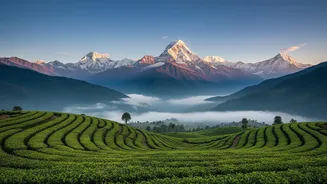
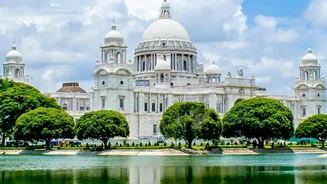
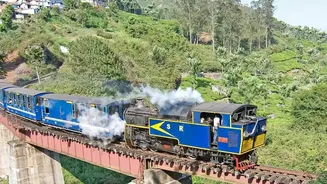
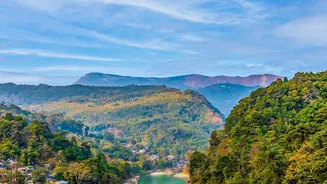
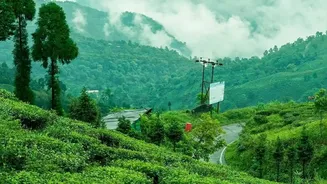
This year's tour packages show a growing sophistication in what's on offer. While classic city-based pandal hopping remains popular, many operators are expanding their itineraries to include unique cultural encounters. A significant trend is the rise of tours focused on the 'Bonedi Bari' pujas—the traditional pujas held in the city's old aristocratic family homes. These tours provide a glimpse into centuries-old traditions that are often inaccessible to the general public. Furthermore, travel agents are bundling the Kolkata experience with excursions to nearby destinations. Packages now frequently include trips to the hills of Darjeeling and Sikkim, the forests of the Dooars, or even the historic Silk Route, allowing tourists to combine the festive fervour with a serene natural retreat. There are also specially designed trips, such as women-only tours, that create a safe and tailored environment for female travelers to enjoy the festivities.
Why Group Tours Make Sense for Puja
Navigating Kolkata during Durga Puja is an experience in itself. The entire city transforms into what has been called the world's largest open-air art gallery, an honour recognised by UNESCO which added the festival to its Intangible Cultural Heritage list. However, this transformation brings with it massive crowds and logistical challenges. Accommodation prices can double, and navigating the streets requires local knowledge. Group tours mitigate these hurdles. Operators often secure VIP access or faster darshan lanes at crowded pandals, a significant advantage when time is limited. They provide air-conditioned buses to escape the October heat and humidity, and handle the stress of moving through a city where millions are on the move. This managed approach transforms a potentially chaotic trip into an enriching and comfortable cultural pilgrimage, making it an attractive option for families, solo travellers, and international visitors alike.
A Welcome Boost for the Local Economy
The return of robust group tourism is a significant boon for West Bengal's economy. The influx of organised tours translates directly into business for hotels, transport providers, restaurants, and the thousands of artisans and workers who are the backbone of the festival. The trend also aligns with a broader increase in tourist arrivals in the state, which has seen a notable jump in both domestic and international visitors drawn by the global recognition of Durga Puja. This organised flow of tourists ensures that the economic benefits of the festival are distributed more widely, supporting a vast ecosystem that relies on this vibrant season. For travellers, it means their holiday spending contributes directly to sustaining the very culture and craftsmanship they have come to admire.