






The Many Faces of Jasmine
Before diving into specific traditions, it’s helpful to know what we mean by 'jasmine'. The name is used for over 200 species belonging to the genus Jasminum, which is part of the olive family, Oleaceae. These are considered 'true' jasmines. However,
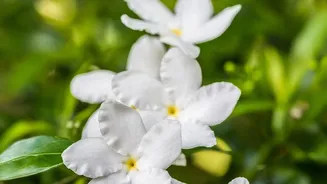
many other fragrant plants with star-shaped flowers are also called jasmine due to their similar appearance and aroma. The name itself comes from the Persian word 'yasmin', meaning 'gift from God', a testament to its ancient and revered status. Plants commonly called African Jasmine, such as Jasminum angulare or Jasminum tortuosum, are true members of this esteemed family, native to regions of South Africa. They are often climbing vines with glossy green leaves and delicate, fragrant white flowers that release their sweet scent, particularly in the evening.
Jasmine's Role in African Traditions
Across the African continent, native jasmine species have been woven into the cultural fabric for centuries. In Kenya, for example, wild jasmine is used to scent homes and plays a role in wedding ceremonies, where brides carry it before the flowers are thrown in celebration. The Maasai people of Kenya have traditionally used Jasminum abyssinicum as a medicinal remedy to treat wounds. This aligns with modern findings that show jasmine possesses antiseptic and anti-inflammatory qualities. In Santeria, a faith with West African Yoruba roots, jasmine is associated with Oshun, the goddess of love, beauty, and wealth, and is used as an offering. These uses highlight a deep-rooted understanding of the plant not just for its aroma but for its spiritual and healing properties.
A Global Symbol of Purity and Love
The use of jasmine as an aromatic and cultural symbol extends far beyond Africa. In Tunisia, Arabian Jasmine (Jasminum sambac) is the national flower, symbolising purity and happiness. It's so integral to the national identity that the 2010 pro-democracy uprising was named the 'Jasmine Revolution'. In India, jasmine, known as 'Mogra' or 'Malligai', is indispensable. It is braided into the hair of women as a symbol of grace and prosperity, offered in temples as a sign of purity, and used in Ayurvedic medicine to calm the mind and reduce stress. The flowers are often scattered on beds or used in baths for their relaxing aroma, turning a simple act into a wellness ritual. Ancient Ayurvedic texts like the Charaka Samhita recommended its oil for healing ailments and relaxing the body.
The Science of a Beloved Scent
What makes this flower so universally cherished? The magic lies in its chemical composition. Jasmine’s essential oil contains over 100 compounds, including linalool, which contributes to its soothing and sedative effects. Research has shown that inhaling jasmine's aroma can have a tangible impact on the body and mind. Studies have noted its ability to increase alertness while also promoting a sense of calm, reducing anxiety, and even improving sleep quality. Its fragrance has been found to help lower levels of the stress hormone cortisol. These scientific insights validate what cultures around the world have known for millennia: the scent of jasmine is a powerful tool for well-being. It is used in aromatherapy to uplift mood and create a relaxing atmosphere, confirming its traditional role as a natural antidepressant and stress-reliever.
Jasmine in Modern Wellness
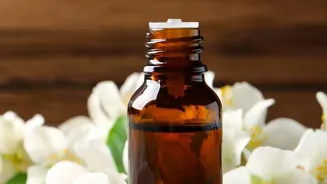
Today, the traditional uses of jasmine are experiencing a modern revival. The global essential oil market values jasmine for its use in high-end perfumes and cosmetics. Beyond its beautiful scent, it's prized in skincare for its moisturising and antioxidant properties, which can help protect the skin. Jasmine tea, a simple infusion of the flowers, is a popular way to enjoy its calming benefits and aid digestion. Whether used as an essential oil in a diffuser, a component in a skincare routine, or simply as a flowering plant in a garden, jasmine continues to be a 'gift from God'—a natural source of beauty, peace, and connection to a rich, global history.