
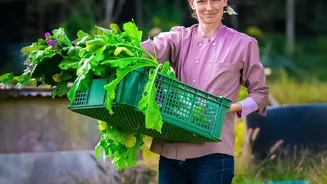

A Taste of the Wild
Imagine a dish not just inspired by a region, but literally tasting of its landscape. This is the promise of the burgeoning 'forest-to-table' philosophy in Indian fine dining. Chefs are looking past cultivated produce to embrace wild edibles that offer
a complexity and sense of place that farmed ingredients often cannot. We're talking about the brief appearance of a wild green like takla in Maharashtra during the monsoon, the delicate, untransportable hisaalu berry from Uttarakhand, or the unique aroma of kosnyot (wild caraway) foraged near Ladakhi streams. These ingredients aren't just novelties; they are expressions of a specific soil, climate, and season, bringing hyper-local, untamed flavours to the modern palate.
Connecting with Ancient Foodways
Foraging is not a new discovery in India; it's an ancient practice woven into the fabric of daily life for countless indigenous and rural communities for centuries. What is new is the respectful collaboration between these communities and contemporary chefs. This movement is a vital bridge, connecting urban kitchens with a deep well of traditional ecological knowledge. For example, chefs are learning from tribal communities in the Western Ghats about the edible wild mushrooms that flourish there, or from Naga locals about how to incorporate ingredients like Timur pepper and stinky beans. This isn't about chefs 'discovering' these foods, but rather learning from the true experts who understand their properties, seasonality, and preparation.
More Than Just an Ingredient
The knowledge being shared goes far beyond simple identification. It encompasses a holistic understanding of the ecosystem. For instance, the Mahua flower, often pigeonholed as just a source for local spirits, is traditionally used by tribal women as a nutritional supplement to treat anaemia, a natural sweetener, and in medicinal oil preparations. Similarly, communities in Jharkhand have long practised nose-to-tail eating, fermentation, and zero-waste cooking out of necessity and respect for nature—concepts now celebrated as global culinary trends. By engaging with this wisdom, chefs are not just finding new ingredients, but also adopting more sustainable and mindful culinary philosophies.
The Responsibility of the Forager
The critical challenge of this movement is to ensure it remains authentic and sustainable, avoiding the pitfalls of a commercialised 'hype' that could decimate wild resources or exploit local communities. Responsible chefs and organisations stress that foraging comes with immense responsibility. It's about understanding what to take and, more importantly, what to leave behind to ensure the ecosystem thrives. The goal is to create a win-win situation, where chefs can access unique ingredients that are abundant and not critical to the local community's diet, while providing a supplementary livelihood for the foragers. This requires building genuine relationships, giving credit to the communities, and ensuring the exchange is equitable and not extractive.
Chefs Leading the Charge
Across India, several culinary leaders are pioneering this thoughtful approach. Chef Radhika Khandelwal of Fig & Maple is driven by a curiosity for flavours outside the mainstream, seeking out wild ingredients that hold stories and medicinal properties. Harshita Kakwani, who moved to the buffer zone of Pench National Park, integrated foraging into her daily life, learning from local tribal women before founding an initiative to develop dishes that appeal to urban tastes while honouring their roots. In Ladakh, chefs are working to preserve heirloom techniques and native ingredients like dried buckwheat greens (yatpa) and wild garlic chives (skotse), fighting against the dilution of their unique food culture. These efforts showcase a path forward where tradition and innovation can coexist beautifully.