


The Unseen Risks of an Unsecured Pot
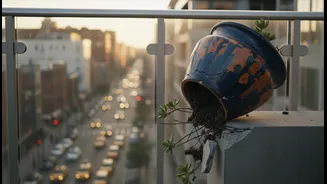
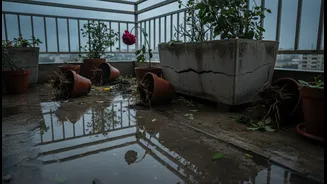
A planter perched on a balcony edge may seem harmless, but it poses a significant risk. Strong winds can catch a tall plant like a sail, and heavy rainfall can saturate the soil, dramatically increasing its weight. An accidental bump from a person, pet,
or piece of furniture can be enough to send it over the edge. The danger of a falling object, even a small one, is immense when dropped from a height. Beyond the potential for causing serious injury to people below, there is also the matter of property damage and personal liability. Ensuring every pot is secure is a fundamental responsibility of city living.
Understanding Your Balcony's Weight Limits
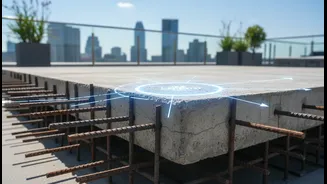
Before you even place a pot, consider the total weight your balcony can support. Balconies are rated to hold a specific amount of weight, often between 50 to 100 pounds per square foot, but this varies widely based on age, construction, and materials. This capacity must account for everything: people, furniture, and your garden. Remember that the weight of a planter isn't just the pot itself; it's the combined weight of the container, soil, the plant, and especially the water after a thorough soaking. It is always best to check with your building management to understand your specific limitations before planning a large garden. Distributing weight, for instance by using several lighter pots instead of one massive one, is a safer strategy.
Smart and Secure Placement Strategies
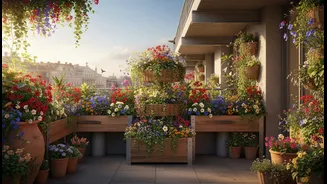
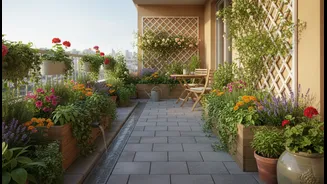
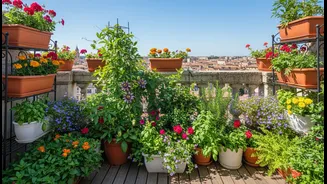
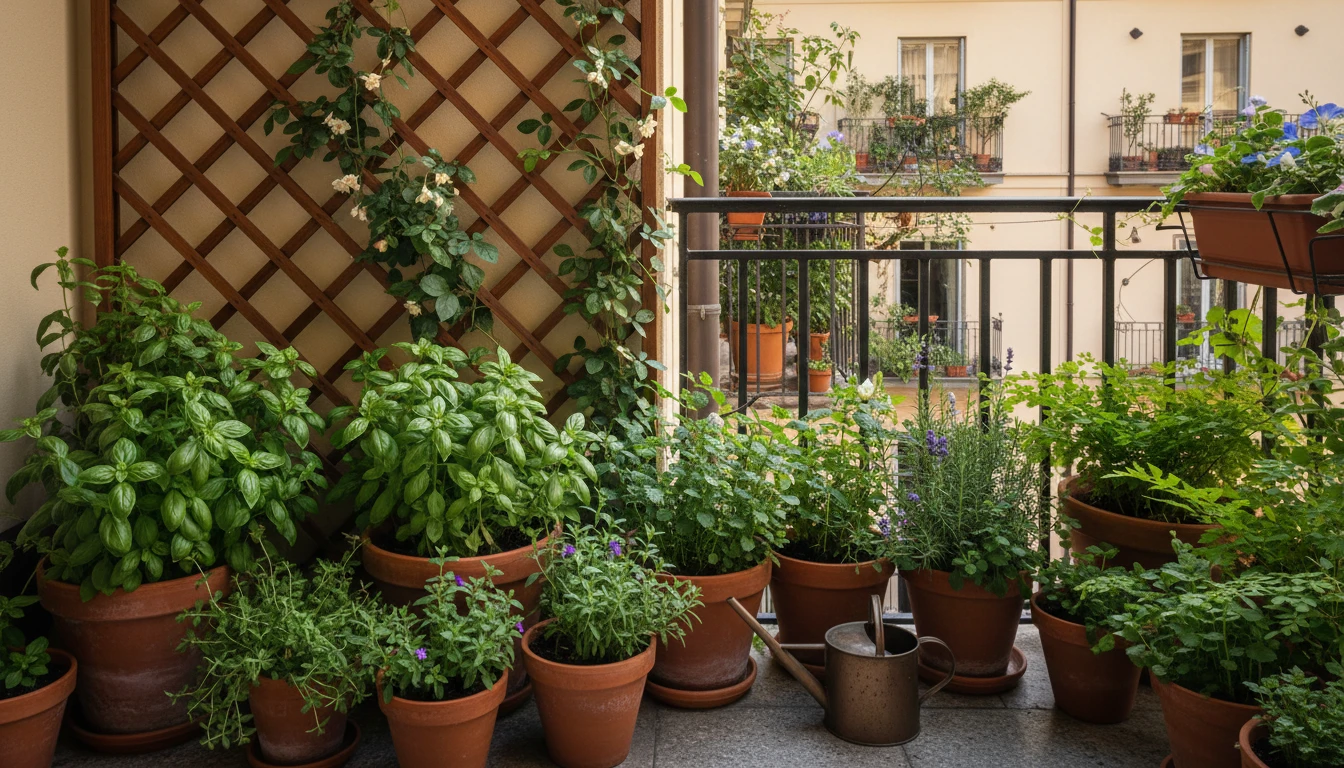
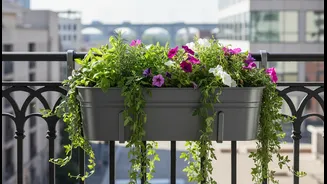
The safest place for a planter is on the floor, against the inner wall of the balcony. This position protects it from wind and eliminates the risk of it falling over the edge. If you are short on floor space, consider vertical arrangements. Tiered plant stands placed against a wall allow you to display multiple plants safely. For railings, choose planters specifically designed to hang securely. Look for models that have a deep saddle or a compression mechanism to grip the railing tightly. Regardless of the design, it's a wise practice to add a secondary layer of security. Use heavy-duty, UV-resistant zip ties or galvanized wire to firmly anchor the planter to the railing itself. Check these ties seasonally for any signs of wear or brittleness from sun exposure.
Choosing the Right Containers and Materials
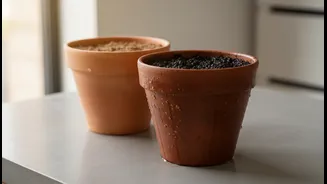
The type of planter you choose can significantly impact safety. While heavy materials like terracotta or concrete are stable, they also add considerable weight. Lightweight alternatives like high-quality plastic, resin, or fiberglass planters are often a better choice for balconies. If using lightweight plastic pots, ensure they have a wide, stable base to prevent tipping. You can improve their stability by placing them in groups or clustering them together, which helps them act as a collective windbreak. For any pot placed on the floor, using non-slip mats underneath can prevent sliding on slick, wet surfaces.
Special Considerations for Railing Planters
Railing planters are excellent space-savers but are the most exposed to the elements. When selecting one, you must measure your railing's width to ensure a snug and proper fit. Avoid simply hooking a standard hanging basket over the rail. Instead, opt for planter boxes with adjustable brackets that can be screwed tight for a secure hold. Ensure the planter does not hang too far outside the balcony line, where it can be more susceptible to wind. Proper drainage is also crucial, not just for plant health but to prevent excess water weight from accumulating and creating a hazard.