

A Fusion of Familiar and Foreign
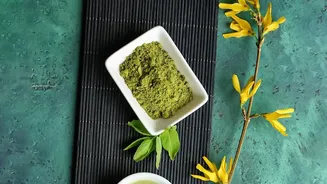
At first glance, the combination might seem unusual. On one side, you have the undisputed king of Indian fruits, the mango, a flavour deeply woven into the fabric of summer and celebration. On the other, there’s matcha, a finely ground powder of Japanese
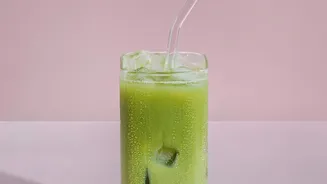
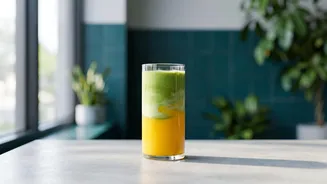
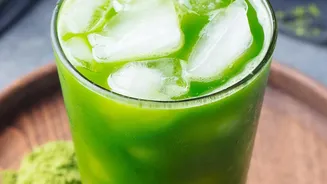
green tea leaves that has become a global wellness icon. The result is a layered beverage, often served iced, that is as visually striking as it is complex in flavour. Typically, a base of sweet mango puree is topped with milk and then finished with a shot of freshly whisked matcha, creating a beautiful gradient of gold and green. The taste is a delicate balance: the tropical sweetness of the mango cuts through the grassy, slightly bitter notes of the matcha, creating a creamy and refreshing drink that feels both indulgent and new.
Why the Sudden Popularity?
The rise of mango matcha is no accident. It sits at the crossroads of several major trends shaping India's food and beverage scene. According to Google Trends data reported in September 2026, searches for 'mango matcha' in India shot up by 200% over the past year. This surge is part of a larger matcha boom, with searches for 'how to make matcha' skyrocketing by 1,300%. Indian consumers, particularly in urban centres like Delhi, Goa, and Bengaluru, are increasingly adventurous, seeking global food experiences. However, they also appreciate a local touch. Mango matcha perfectly delivers this 'glocal' appeal, grounding the foreign taste of matcha with the intensely familiar and beloved flavour of mango. This fusion makes an otherwise intimidating new ingredient feel more accessible and appealing.
Made for the Social Media Age
In an era where we eat with our eyes first, mango matcha is a runaway success. Its vibrant, layered appearance makes it incredibly 'Instagrammable'. The distinct separation of golden mango, white milk, and green tea is a visual treat that has dominated social media feeds, sparking curiosity and encouraging others to try it. This visual appeal is a significant driver of food trends today, and mango matcha's aesthetic is a key part of its growing fame. Cafes have been quick to add it to their menus, recognising its viral potential. The drink’s popularity isn't just driven by professional cafes; the trend is also moving into Indian kitchens, with searches for matcha kits and whisks also seeing a significant increase.
A Health-Conscious Choice?
Beyond its taste and looks, the perceived health benefits of matcha are a major draw. Matcha is packed with antioxidants and L-theanine, an amino acid known for promoting a state of 'calm alertness' without the jitters associated with coffee. When prepared thoughtfully, with fresh mango puree and minimal added sugar, a mango matcha can be a relatively healthy indulgence. Mango itself is rich in vitamins, and when paired with high-quality matcha, the drink offers a flavourful alternative to sugary sodas and artificially flavoured beverages. However, the health factor largely depends on the preparation; many café versions can be laden with sugar, so a homemade version often provides a healthier option.
How to Make Your Own Mango Matcha
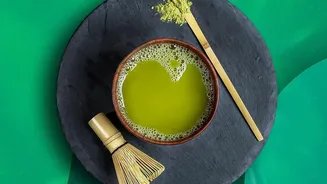
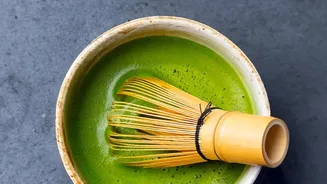
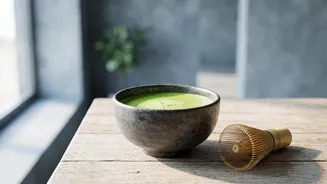
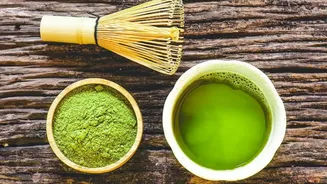
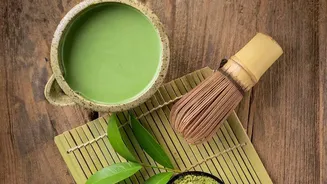
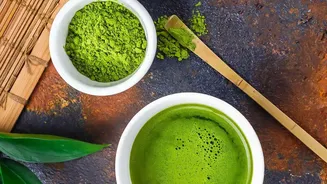
Creating this trendy drink at home is surprisingly simple. You'll need about one ripe mango (Alphonso is recommended for its sweetness), a teaspoon of ceremonial-grade matcha powder, about 150ml of milk (dairy or plant-based like oat or coconut work well), and a touch of sweetener like honey or maple syrup if desired. 1. Prepare the Mango: Peel and chop the mango, then blend it into a smooth puree. Add this puree to the bottom of a tall glass. 2. Whisk the Matcha: In a separate bowl, sift the matcha powder to remove lumps. Add about 60ml of hot (not boiling) water and whisk vigorously in a 'W' motion until frothy. 3. Assemble the Drink: Add ice cubes to the glass over the mango puree. Slowly pour in your milk of choice. 4. Add the Finishing Touch: Gently pour the whisked matcha over the milk. The layers should remain separate, creating the drink's signature look. Stir just before drinking to combine the flavours.