



The Real Nutrients in Pumpkin
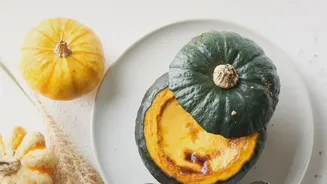
Before we get into recipes, it helps to know what you're actually getting from real pumpkin. The vibrant orange colour isn't just for looks; it signals a high concentration of beta-carotene, an antioxidant your body converts into Vitamin A. One cup of cooked
pumpkin can provide more than the recommended daily intake of Vitamin A, which is essential for vision, immune function, and healthy skin. Beyond that, pumpkin is a solid source of dietary fiber, with about seven grams per cup of puree. This fiber aids digestion and helps you feel fuller for longer, which can support weight management. It's also packed with potassium, a mineral crucial for maintaining healthy blood pressure, and Vitamin C, which further supports your immune system. Plus, it's naturally low in calories, with a cup of cooked pumpkin containing around 50 calories.
Canned vs. Fresh: Which Is Better?
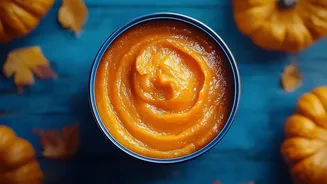
It's a common assumption that fresh is always nutritionally superior to canned, but pumpkin is a surprising exception. When it comes to pure pumpkin puree, the canned version is often more nutrient-dense. This is because the canning process involves steaming and removing excess water from the pumpkin, which concentrates the nutrients and fiber. Some sources show that canned pumpkin can have significantly more beta-carotene and fiber than an equivalent serving of fresh, cooked pumpkin. The key is to read the label carefully. You want to buy '100% pure pumpkin' or 'canned pumpkin,' not 'pumpkin pie filling'. The latter is pre-sweetened and contains added sugars and syrups that negate many of the health benefits. For convenience and a concentrated nutritional punch, pure canned pumpkin is a fantastic and reliable choice.
The Pumpkin Spice Health Trap
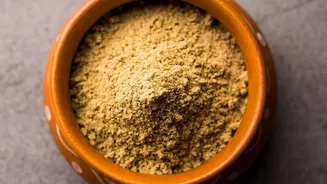
Here's where the healthy image of pumpkin gets tricky. Many popular 'pumpkin spice' products contain little to no actual pumpkin. The term often refers to the spice blend—cinnamon, nutmeg, ginger, and cloves—used in pumpkin pie. The real issue is the massive amount of sugar. A typical 16-ounce pumpkin spice latte from a coffee shop can contain 50 grams of sugar, which is about 12 teaspoons and often double the recommended daily limit for added sugar. These drinks, along with many pumpkin-flavored muffins, cereals, and creamers, get their flavour from sugary syrups and artificial ingredients. While the spices themselves have some antioxidant properties, their benefits are overshadowed by the high sugar content. Enjoying these items as an occasional treat is fine, but thinking of them as a healthy way to consume pumpkin is a mistake.
How to Build a Better Pumpkin Breakfast
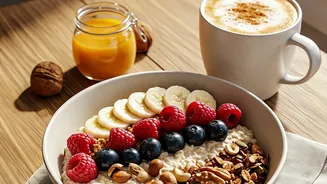
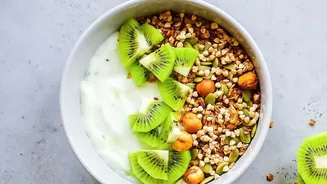
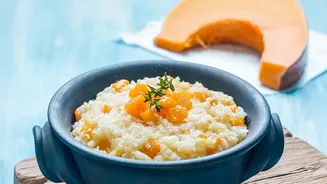
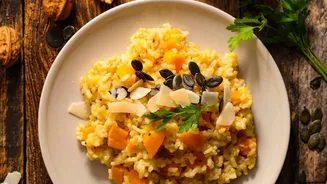
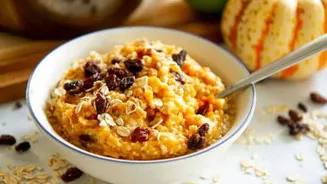
To get the real benefits, you need to incorporate pure pumpkin puree into otherwise healthy dishes. It's incredibly versatile. Stir a few tablespoons into your morning oatmeal along with a dash of cinnamon and nuts for a warm, filling start to your day. You can also blend it into a smoothie with yogurt or a milk of your choice, a banana for natural sweetness, and a scoop of protein powder. Another great option is to mix pumpkin puree into plain yogurt or cottage cheese and top it with seeds and a small drizzle of maple syrup. If you're a baker, try making whole-wheat pumpkin pancakes or muffins, where you can control the amount of sugar. The goal is to let the pumpkin be the star, rather than letting it be a minor ingredient in a sugar-laden treat.