
Start with a Modern Foundation
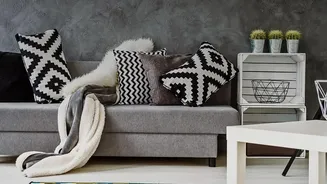
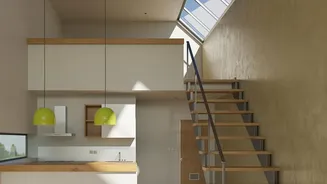
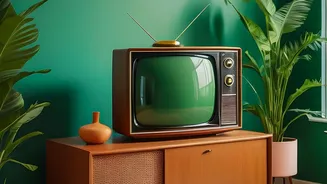
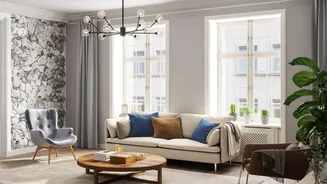
The easiest way to successfully introduce retro patterns is to start with a predominantly modern and neutral base. Think of your room as a canvas. Walls in shades of white, beige, or soft grey create a clean, uncluttered backdrop that allows bolder vintage
elements to shine without overwhelming the space. This modern foundation, characterized by clean lines and simple forms, acts as a visual palate cleanser, providing resting points for the eye and making your retro selections feel intentional. Let about 80% of your room adhere to this contemporary style, reserving the remaining 20% for your retro accents. This ensures the overall feeling is fresh and current, with pops of nostalgic charm.
Unify with a Cohesive Colour Palette
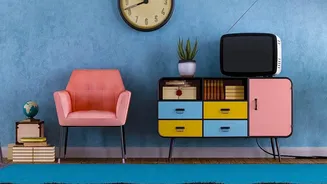
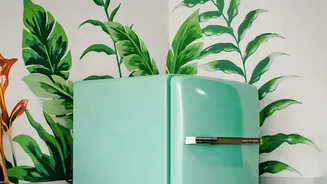
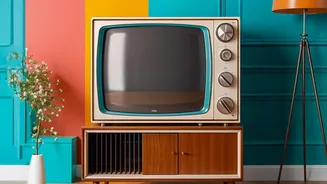
To prevent your mix of old and new from looking accidental, use colour to tie everything together. A consistent colour palette acts as a bridge between different eras. You can pull a few key shades from your chosen retro pattern—perhaps an olive green, mustard yellow, or terracotta—and echo them in modern elements throughout the room. This could be through solid-coloured cushions, a contemporary piece of art, or other simple accessories. This repetition creates a sense of harmony and makes the combination of styles feel deliberate and sophisticated. Alternatively, keeping the main furniture neutral while introducing a bold retro colour in small doses also works beautifully.
Play with Pattern Scale and Placement
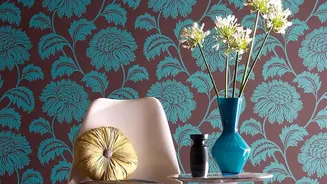
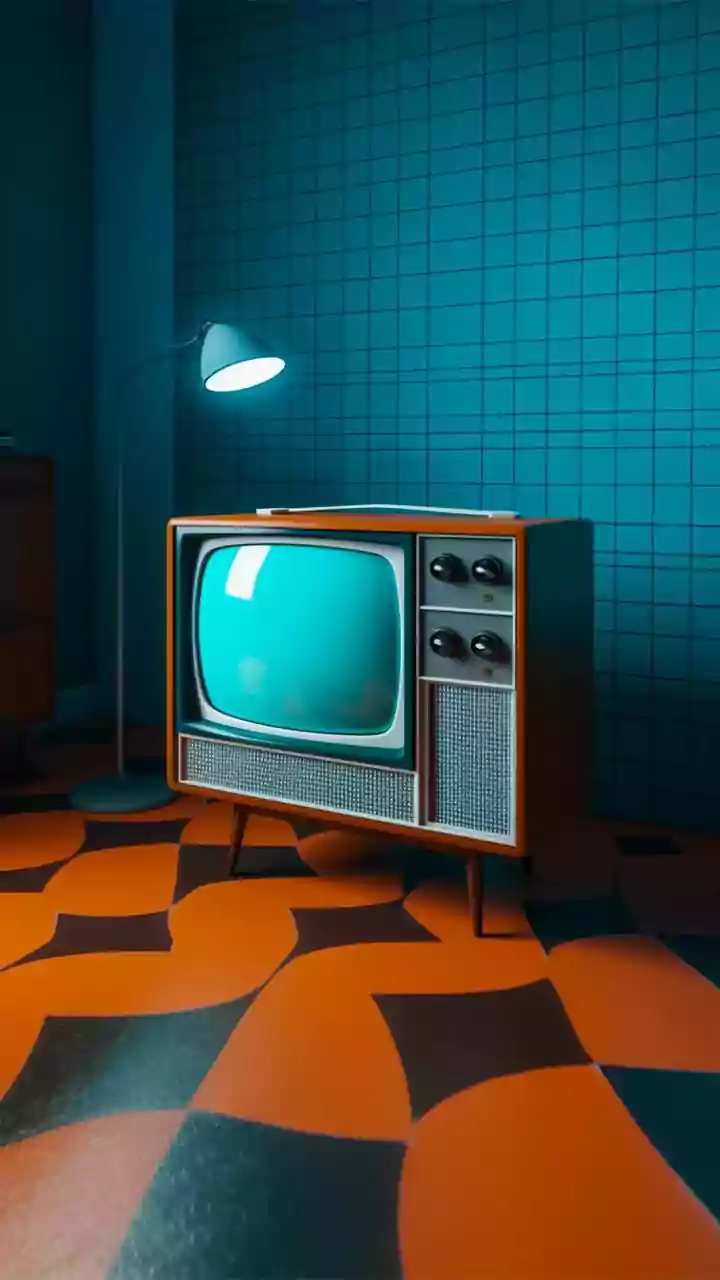
Not all patterns are created equal, and how you use them is crucial. When mixing, pay attention to the scale. A large, bold geometric print on a rug can be the star of the show, while smaller-scale patterns can appear on accent pillows or lampshades. The key is to balance busy patterns with solid, neutral surfaces to avoid visual noise. Don't be afraid to make a statement, but do it strategically. A single accent wall with a funky, 70s-inspired wallpaper can bring incredible energy to a room, as long as the other walls remain simple. Use retro patterns on items that are easy to swap out, like textiles and art, if you're hesitant to commit to a larger piece.
Balance Shapes and Silhouettes
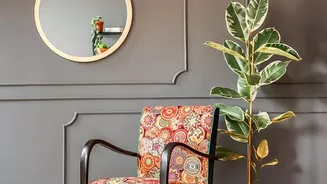
Modern design often favors sharp, clean lines and minimalism, while retro styles, particularly from the 70s, embrace curves and organic shapes. This contrast is your friend. Pair a sleek, low-profile modern sofa with a pair of curved, vintage-inspired armchairs. A rectangular dining table can be surrounded by chairs with rounded backs. This interplay of shapes creates a dynamic tension that makes a room interesting. The goal is to create a conversation between the pieces. Distribute items from different eras throughout the room to create a sense of visual balance rather than grouping all the modern or all the retro items together.
Layer Textures for Depth and Warmth
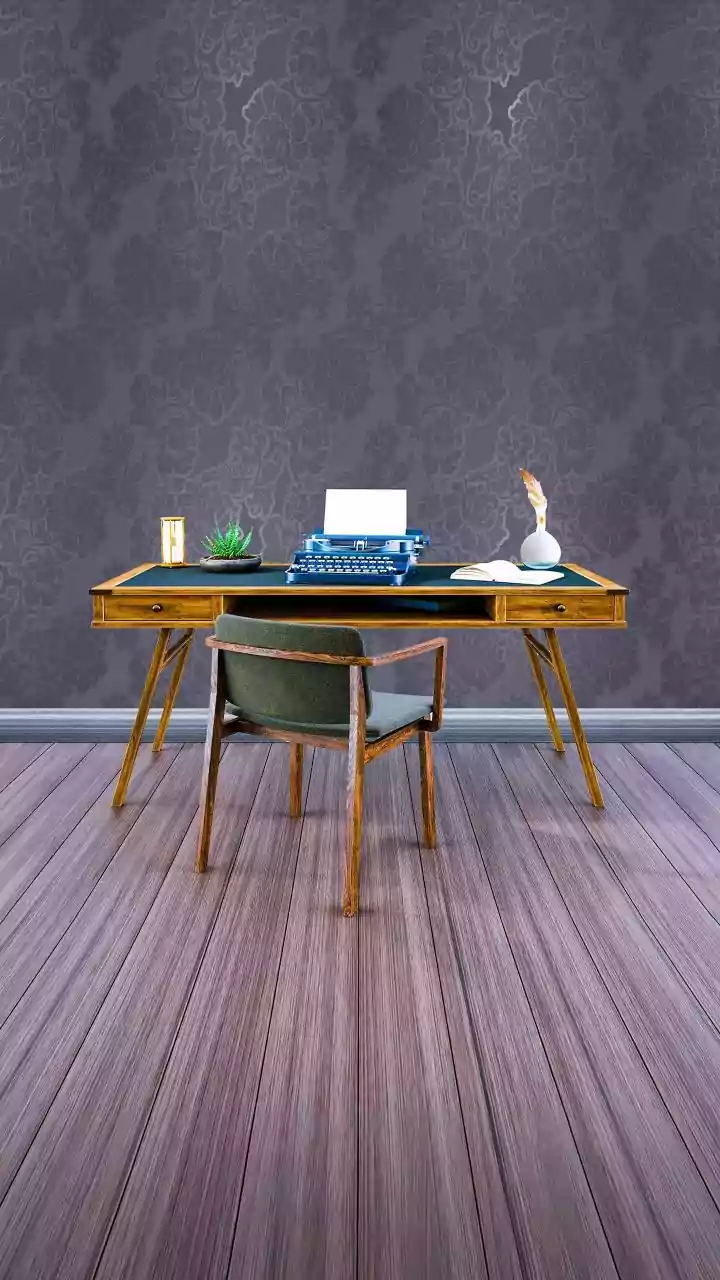
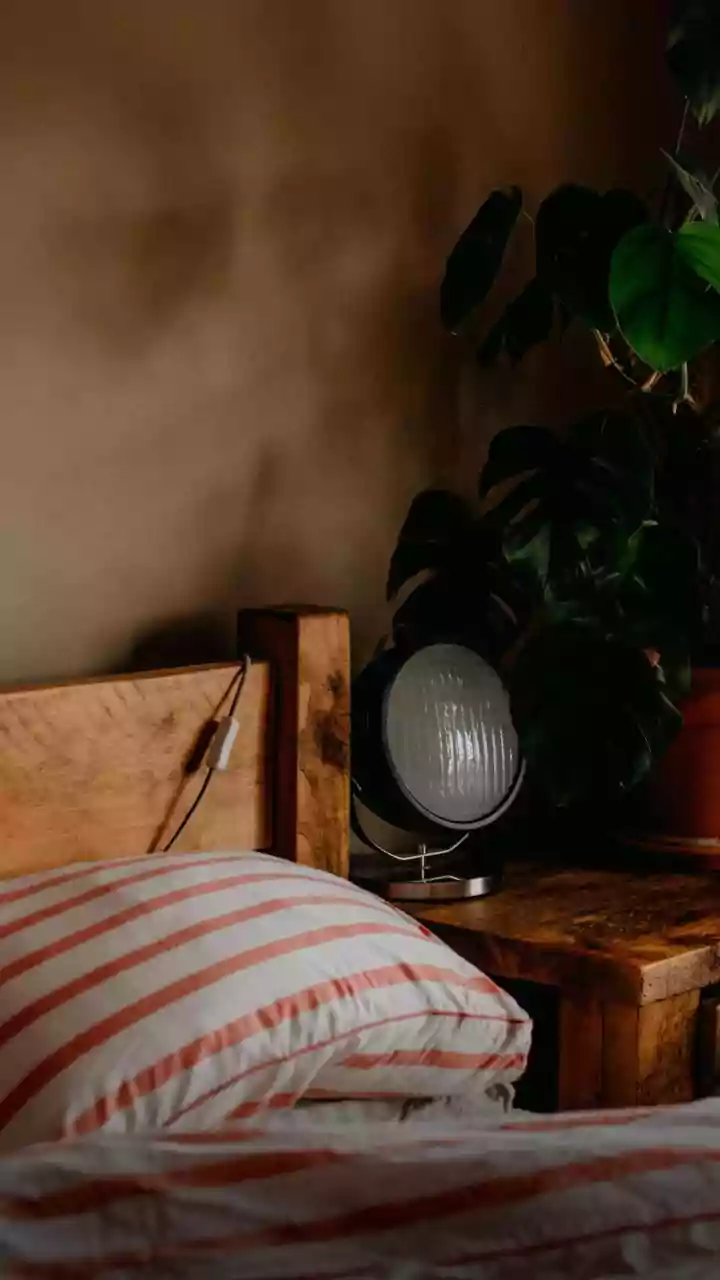
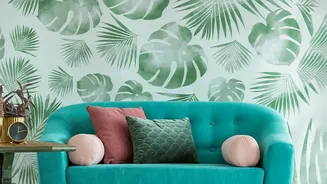
Retro design is rich with tactile materials like velvet, shag, boucle, and dark woods like teak or walnut. Modern interiors often feature smoother surfaces like metal, glass, and polished concrete. Mixing these textures is an excellent way to add depth and warmth. Imagine a smooth, modern coffee table layered on top of a plush, patterned vintage rug. A velvet cushion with a retro print can instantly add a touch of opulence to a simple, contemporary sofa. This layering of different materials makes a space feel more lived-in, comfortable, and visually complex.