





A Landmark Project for Lucknow
The city of Lucknow is set to become home to a pioneering venture in Indian eco-tourism: a large-scale night safari and zoological park. After navigating legal and environmental reviews, the Supreme Court gave the green light to the Uttar Pradesh government's
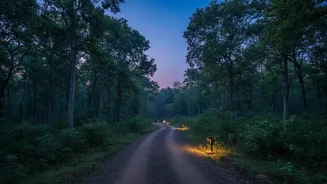
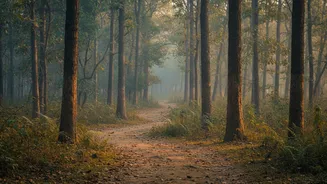
ambitious project in July 2026. Inspired by Singapore's famous nocturnal zoo, the Kukrail Night Safari aims to offer visitors a chance to see animals when they are most active—after sunset. The project, estimated to cost around Rs 1,500 crore, will be developed within the sprawling 2,027-hectare Kukrail Reserve Forest on the city's outskirts. This initiative is being positioned not just as a tourist attraction but as a major step forward in combining wildlife conservation with public education and entertainment.
What Visitors Can Expect After Dark
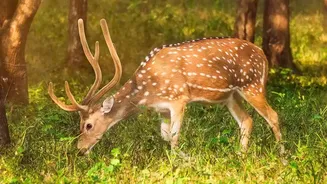
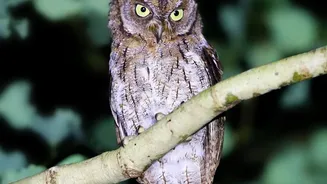
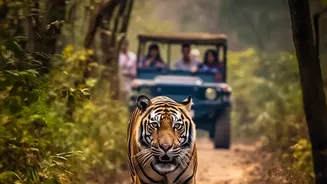
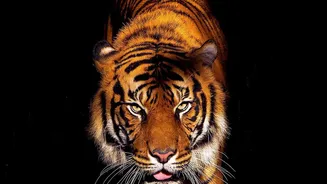
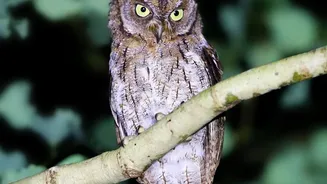
The experience is designed to be immersive and non-intrusive. Visitors will tour the park in electric trams on a planned 40-minute journey. A specialised lighting system mimicking moonlight will illuminate the habitats, allowing for clear views without disturbing the animals. The safari will feature themed zones showcasing species like Asiatic lions, Bengal tigers, leopards, and hyenas in naturalistic enclosures. Beyond the safari ride itself, the master plan includes facilities such as wildlife interpretation centres, a 7D theatre, and cafeterias, making it a comprehensive destination. The goal is to provide a unique perspective on wildlife, highlighting the behaviour of species rarely seen in their active state during traditional daytime zoo visits.
A Dual Mission of Tourism and Conservation
Kukrail is already a site of significant ecological importance, housing India's oldest and most prominent gharial rehabilitation centre, established in 1975. The new project plans to build on this legacy. The safari and an accompanying day zoo will be developed on approximately 855 acres of the reserve. While an initial plan to relocate the entire existing Lucknow Zoo to Kukrail was rejected by a Supreme Court-appointed committee to protect the area's tree cover, the new facility will still be a major zoological park. The project will feature modern, advanced enclosures for over 100 species and incorporate conservation breeding facilities, positioning it as a key centre for wildlife research and protection in the region.
Balancing Progress and Preservation
The project has not been without its challenges and concerns. The development is taking place within a notified reserve forest, raising questions from environmentalists about its ecological impact. The initial proposal faced scrutiny over the number of trees that would need to be felled. In response, the Supreme Court has mandated strict compliance with environmental safeguards laid out by several authorities, including the Central Zoo Authority and the Ministry of Environment. The court has also ordered a Central Empowered Committee to conduct periodic site inspections to ensure all conditions are met. Key modifications to the original plan include scrapping a proposed four-lane road in favour of a two-lane one and cancelling a planned 'adventure zone' to minimise the project's footprint.
The Bigger Picture for Indian Tourism
If successful, the Kukrail Night Safari could become a blueprint for wildlife tourism across India. As the country's first urban night safari, it aims to diversify Uttar Pradesh's tourism portfolio, which is currently dominated by heritage and spiritual sites like Agra, Varanasi, and Ayodhya. By creating a world-class attraction in the state capital, officials hope to attract a new wave of domestic and international tourists, generating employment and boosting the local economy. The project's success will be closely watched by other states, potentially ushering in a new era of nocturnal wildlife experiences that blend entertainment with a strong message of conservation.