

Beyond the Myth of Festive Waste
In modern times, festive celebrations are often synonymous with excess. We plan elaborate meals, stock our pantries to overflowing, and inevitably, deal with the guilt of waste. But this is a relatively new phenomenon. For generations, Indian kitchens
have operated on a philosophy of respect for ingredients, where nothing is carelessly discarded. The ancient Indian concept of 'Annam Brahmam', which translates to 'Food is God', instils a deep reverence for what we eat. Wasting food is therefore seen as an act of disrespect. This principle doesn't fade during festivals; it sharpens. The challenge and art of festive cooking was not just to create delicious food, but to do so with ingenuity and a mindful approach that honours every part of an ingredient.
The Genius of 'Waste-Not' Dishes
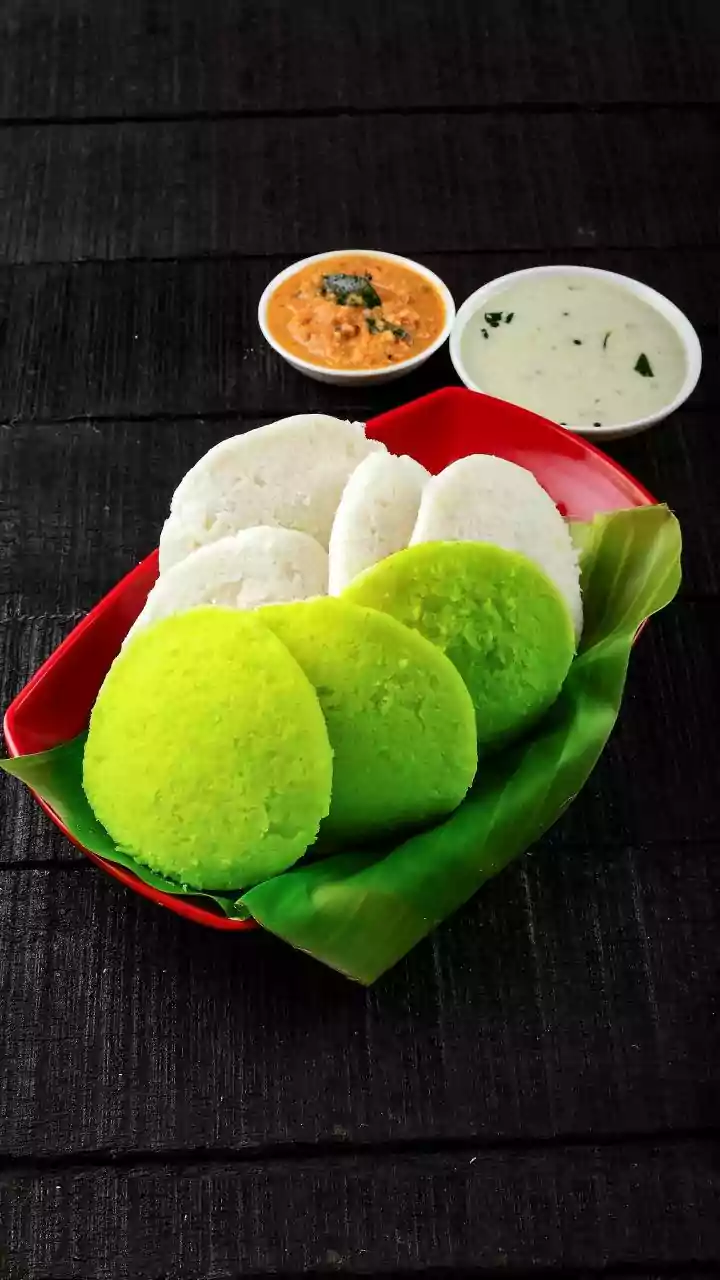
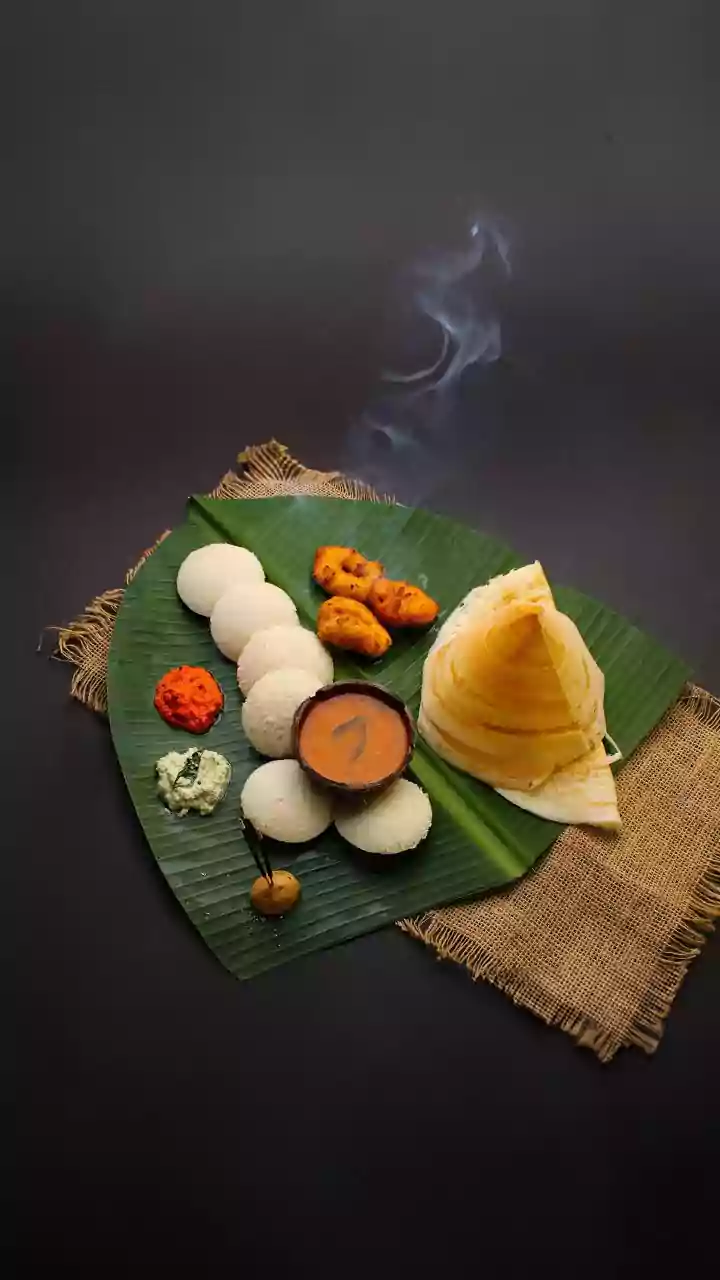
Across India, regional cuisines offer a masterclass in transforming would-be scraps into delicacies. In Bengal, 'Chhachra' is a cherished dry curry made with the thick peels of vegetables like bottle gourd and potato, often cooked with fish bones and heads, creating a complex dish from parts that might otherwise be thrown away. Similarly, South Indian kitchens have long mastered the art of the 'thogayal', a coarse chutney. The fibrous peel of the ridge gourd, for instance, is roasted with lentils and spices and ground into a flavourful accompaniment for rice. From the coastal kitchens of Karnataka comes a dosa batter made from the thick green rind of a watermelon. Even leftover rotis are given a new life in Maharashtra as 'Phodnichi Poli', a warm, spiced breakfast dish.
A Philosophy of Respect, Not Scarcity
This tradition of resourcefulness is not merely about frugality born from necessity; it is a display of culinary skill and a deep respect for the food chain. Using every part of a vegetable or grain is a sign of a cook’s creativity and their understanding of flavour. A Punjabi household might turn bottle gourd peels into a refreshing raita, while a Rajasthani one grinds them into a spicy chutney, both demonstrating how a humble peel can be elevated. The leftover water from boiling chana dal for Puran Poli is transformed into 'Katachi Amti', a tangy and savoury soup in Maharashtra. These dishes are not treated as second-class citizens on the festive table; they are celebrated for their unique textures and flavours, a testament to the ingenuity passed down through generations.
Reviving Kitchen Wisdom in the Modern Age
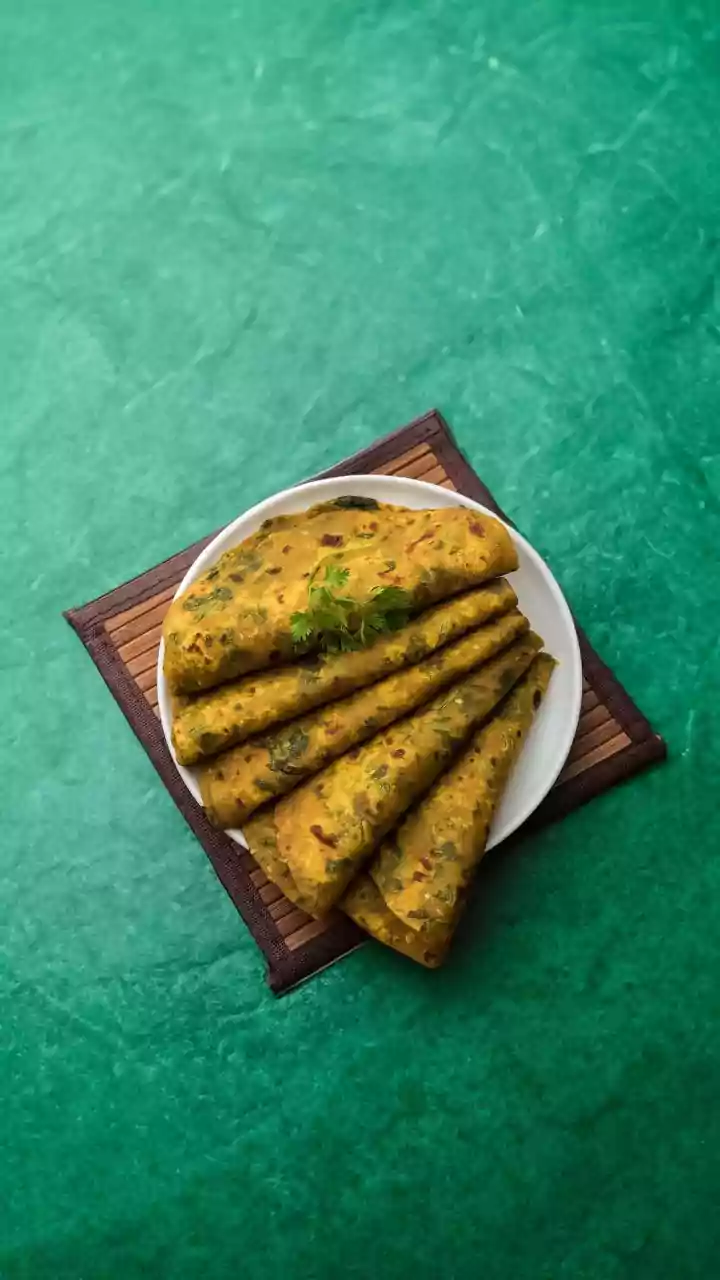
Today, as 'zero-waste' and 'sustainability' become global buzzwords, these traditional practices are more relevant than ever. The wisdom of our grandmothers offers a powerful antidote to the modern problem of food waste, which sees millions of tonnes discarded from Indian households annually. Repurposing leftovers is a simple way to start. That extra dal can be kneaded into flavourful parathas, leftover sabzi can become a delicious sandwich filling, and day-old rice can be turned into crispy pakoras or a comforting bowl of khichdi. By embracing these time-honoured habits—planning meals, using ingredients fully, and creatively repurposing what remains—we are not diminishing the festive spirit. Instead, we are enriching it, aligning our celebrations with a deeper sense of mindfulness and care that has always been at the heart of Indian hospitality.