





Why A Gentle Transition Matters
After nine days of a restricted diet, often limited to fruits, specific flours, and dairy, your digestive system has adapted. The production of digestive enzymes may be reduced, and suddenly overwhelming it with heavy, spicy, or complex foods can lead
to bloating, acidity, stomach cramps, and general discomfort. Think of it as waking up your metabolism gently rather than with a sudden jolt. The goal is to ease your body back into its normal rhythm, ensuring you feel energized and healthy as you enter the festive season that follows.
Day 1: Hydrate and Keep It Light
The very first step in breaking your fast should focus on hydration and easily digestible foods. Your body has been through a period of detoxification, and replenishing fluids is paramount. Start your day with a glass of lukewarm water with lemon, coconut water, or a thin buttermilk (chaas). For your first meal, opt for fruits like papaya, banana, or melon, which are gentle on the stomach. A small bowl of plain yogurt or curd can also be beneficial, as it provides probiotics that help replenish good gut bacteria. Avoid anything heavy, oily, or sugary on the first day.
Days 2-3: Reintroducing Grains and Cooked Foods
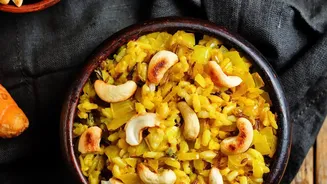
Once your system has comfortably handled light foods, you can slowly reintroduce simple cooked meals. A perfect transitional food is khichdi made with rice and moong dal, as it is a balanced combination of carbohydrates and protein that is very easy to digest. You can also have simple, well-cooked vegetables like lauki (bottle gourd) or steamed carrots. Introduce regular grains like wheat roti or simple rice with a light dal. The key is to keep portions small and meals simple, avoiding complex spices and excess oil. Listen to your body; if you feel bloated, revert to lighter options for another meal before trying again.
Foods to Avoid in the Initial Days
Just as important as what to eat is what to avoid. For the first 48 to 72 hours, it's wise to steer clear of certain foods that can tax your digestive system. These include deep-fried items like puris, pakoras, and samosas, which are heavy and fatty. Also, hold back on rich sweets, pastries, and sugary drinks that can cause a sudden spike in blood sugar and lead to an energy crash. Highly spicy and processed foods should also be avoided, as they can irritate the stomach lining. It is best to wait a few days before reintroducing heavy non-vegetarian dishes if they are part of your regular diet.
Mindful Eating and Listening to Your Body
One of the benefits of fasting is a renewed connection with your body’s hunger and satiety signals. Carry this mindfulness forward as you break your fast. Eat slowly and chew your food thoroughly to aid digestion. Pay attention to how you feel after each meal. Stop eating when you feel about 80% full, rather than stuffing yourself. This practice prevents overburdening your stomach and allows you to truly savour your food. If you experience any discomfort, it is a sign to slow down and perhaps stick to simpler, lighter foods for a little longer. Your body will give you the cues you need to navigate this transition smoothly.