







The Government's Preemptive Strike
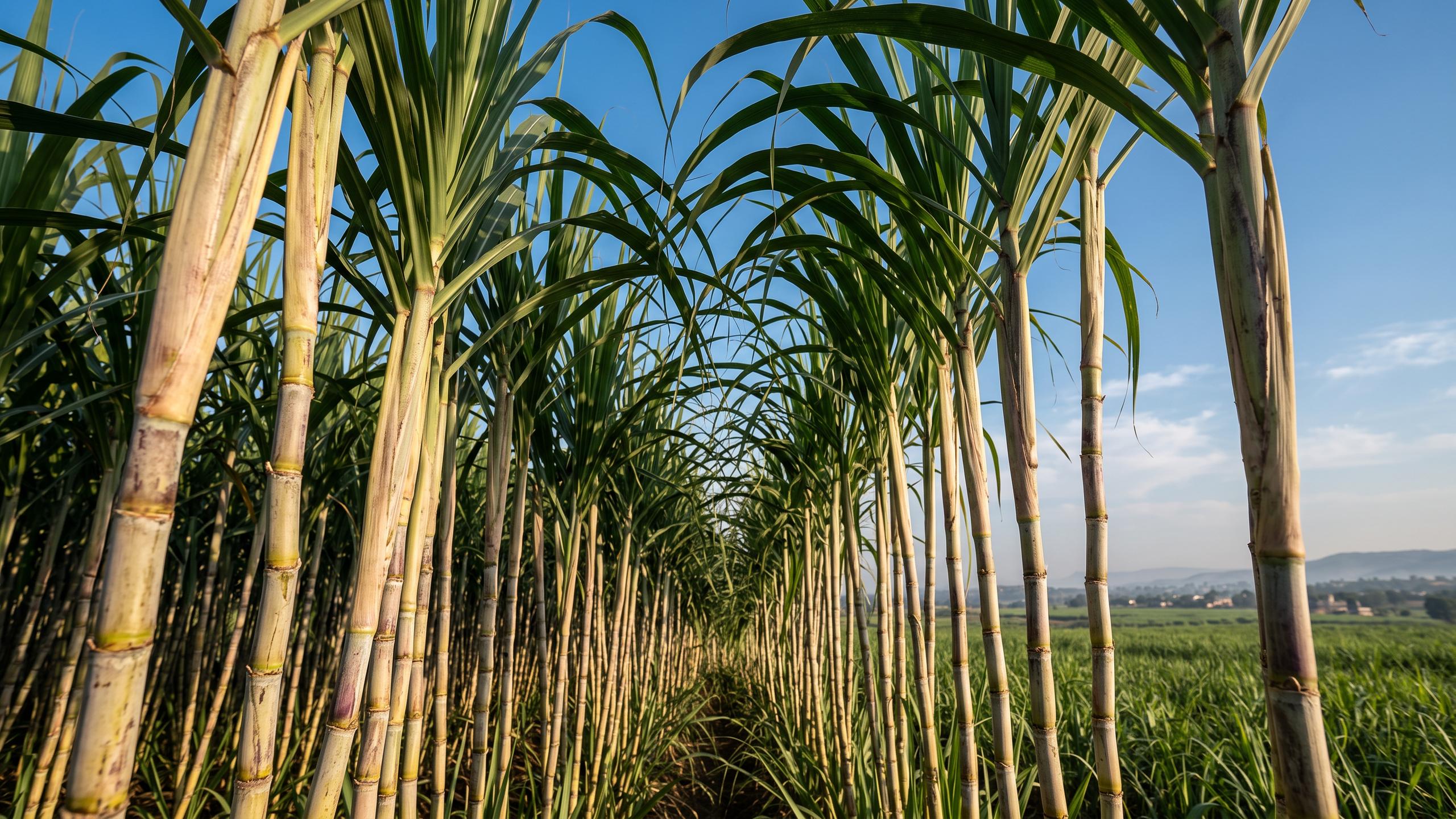
The central government has given sugar mills the green light to begin the 2026-27 crushing season 10 to 15 days earlier than usual. Typically, mills roar to life in late October or early November, but this year they are being advised to start as early as October 15.
This decision, made after consultations between the government and industry bodies like the Indian Sugar & Bio-energy Manufacturers Association (ISMA), is designed to get fresh sugar into the market quickly. The goal is to increase the availability of the essential commodity right before demand peaks during major festivals like Dussehra and Diwali, thereby ensuring smooth supplies across the country.
Why the Early Start? Unpacking the Concerns
The decision stems from a classic supply-and-demand imbalance. The 2025-26 sugar season yielded less sugar than initially predicted. Early estimates of around 343 lakh metric tonnes (LMT) were revised down to about 306 LMT due to factors like crop diseases and lower sugar recovery from the cane. This shortfall has tightened domestic stocks just as the country heads into a period of high consumption. Consequently, retail sugar prices have surged, with some reports indicating a rise of over 15% in just one month, putting pressure on household budgets. By starting the crushing season sooner, the government hopes to produce over 10 lakh MT of sugar in October alone, significantly more than the usual 3-4 lakh MT for that month, to counter this price pressure.
A Complicated Calculus for Mills
While the move is intended for the larger public good, it presents a challenge for sugar mills. Processing sugarcane before it reaches full maturity typically results in lower sugar recovery, meaning less sugar is extracted from the same amount of cane. This directly impacts the operational efficiency and financial health of the mills. Industry associations have pointed out that even with recent price hikes, the average ex-mill price of sugar has been below the cost of production for much of the year. To offset the financial hit from processing immature cane, mill associations have requested government support, such as compensation for recovery loss or a temporary waiver on GST.
Imports, Stock Limits, and the Bigger Picture
Advancing the crushing season is just one part of a multi-pronged strategy. The government has also moved to allow the duty-free import of 1 million tonnes of raw sugar to bolster domestic availability. This marks the first time in nearly a decade that India, typically a sugar exporter, has turned to large-scale imports. Additionally, strict stockholding limits have been placed on bulk consumers like confectioners and soft drink manufacturers, as well as on dealers, to prevent hoarding and speculation. These measures reflect a broader concern about food inflation and global supply tightness, which has pushed international sugar prices to multi-month highs.