







Why Your Body Needs Morning Fuel
Think of your body like a car that has been parked overnight. When you wake up, your fuel tank—your glucose levels—is running low after hours of fasting. Breakfast is the act of 'breaking the fast' and replenishing these essential energy stores. This
first meal kickstarts your metabolism and provides the glucose your brain and muscles need to function optimally. Eating a meal in the morning helps stabilize your blood sugar, which sets the pace for your energy levels for the rest of the day. Without this initial fuel, you are essentially running on reserves, which can lead to fatigue, irritability, and poor concentration.
The Power Trio: Carbs, Protein, and Fat
A truly energizing breakfast isn't just about eating something; it's about eating the right combination of foods. The key lies in balancing three macronutrients: carbohydrates, protein, and healthy fats. Many traditional Indian breakfasts, often high in carbohydrates, can be made more balanced. Carbohydrates are the body's primary source of energy, but the type matters. Complex carbs, found in whole grains like oats, dalia, and whole-wheat roti, break down slowly, providing a steady release of energy. This prevents the sharp spike and subsequent crash in blood sugar that you get from sugary cereals or pastries.
Protein: Your Ally Against Slumps
Protein is crucial for feeling full and satisfied, but its main role in energy management is slowing down digestion. When you pair protein with carbohydrates, it helps to blunt the rise in blood sugar, preventing that dreaded mid-morning energy dip. This leads to greater satiety and can even help regulate your appetite for the rest of the day. Great protein sources for an Indian breakfast include eggs, Greek yogurt (dahi), paneer, lentils (in sambar or dal), and sprouts. Even adding nuts and seeds to your meal can significantly boost its protein content.
Healthy Fats for Brain and Body
Fats often get a bad reputation, but healthy, unsaturated fats are vital for brain health and provide a long-lasting source of energy. They contribute to that feeling of satisfaction after a meal, helping you stay full until lunch. Incorporating sources like avocado, nuts (almonds, walnuts), and seeds (chia, flax) into your breakfast supports both cognitive function and sustained physical energy. For example, adding a handful of nuts to your poha or oatmeal, or having avocado on whole-grain toast, are simple ways to include these beneficial fats.
Building a Balanced Indian Breakfast
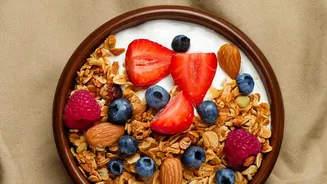
Putting this all together is easier than it sounds. The goal is to combine these three elements into one cohesive meal. Instead of just a plain paratha, try a paneer-stuffed paratha with a side of dahi. If you enjoy poha or upma, mix in vegetables and top with roasted peanuts for added fibre and protein. Idli or dosa served with a protein-rich sambar is a classic balanced meal. Overnight oats can be prepared with milk or yogurt and topped with fruit and seeds for a quick and nutritious option. Even a simple vegetable omelette with a slice of whole-wheat toast provides a perfect balance of carbs, protein, and healthy fats to fuel your morning.