



A Water World Far from the Sun
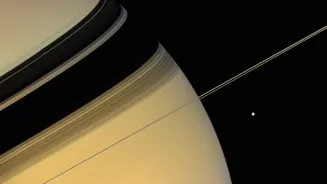
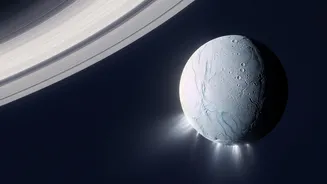
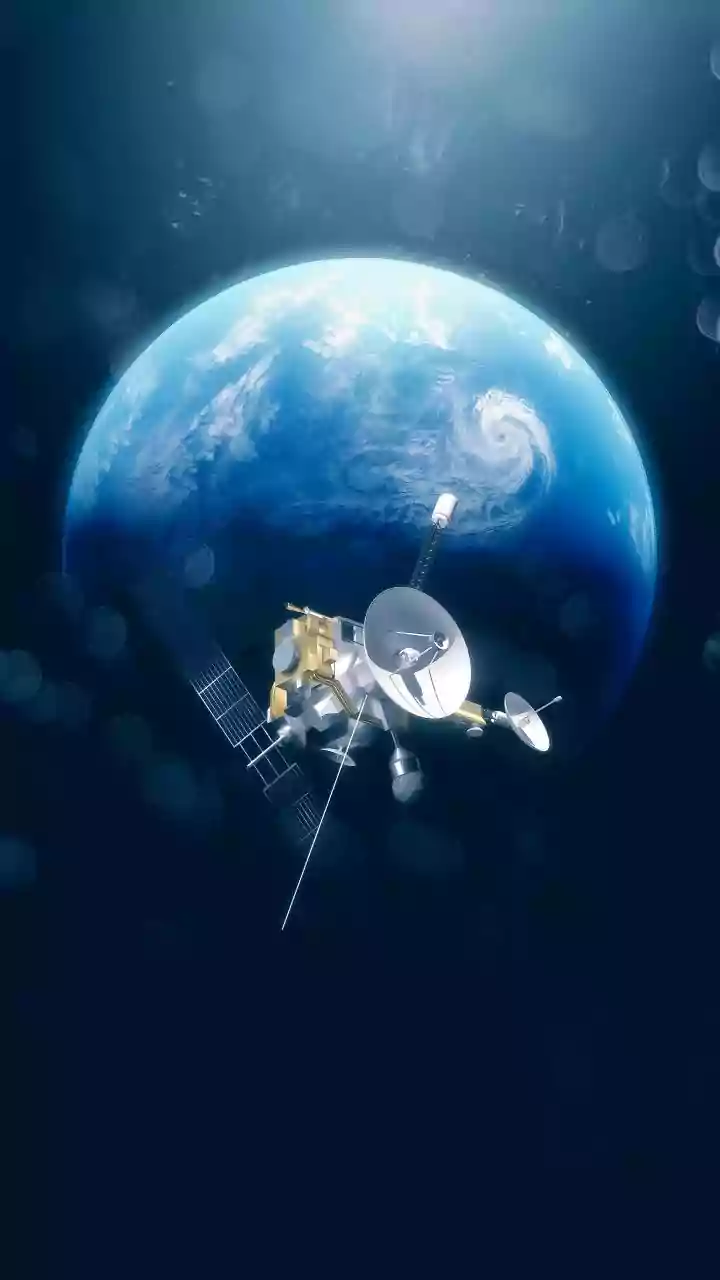
Enceladus captured the imagination of scientists when NASA's Cassini spacecraft discovered it has all the essential ingredients for life as we know it: liquid water, organic molecules, and a source of energy. The tiny moon, only about 500 kilometres across,
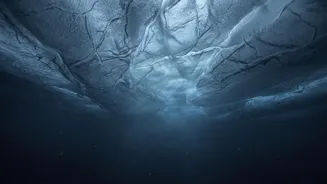
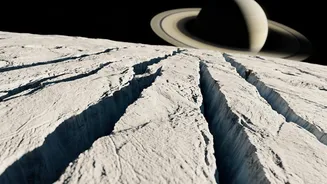
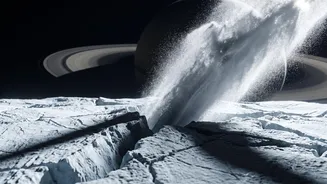
is covered in a thick layer of ice. But deep below, gravitational tugging from Saturn keeps its rocky core warm, creating hydrothermal vents much like those found on Earth's ocean floors. Most excitingly, Enceladus actively sprays geyser-like plumes of water and ice from its south pole into space, offering a way to sample its ocean without ever needing to land. Cassini flew through these plumes and detected salts, organic compounds, and even phosphorus, a critical building block for DNA.
Putting Earth's Toughest Life to the Test
While the conditions seemed promising, a key question remained: could anything actually live there? To find out, a team of researchers from Germany recently recreated the harsh environment of Enceladus's seafloor in their lab. They prepared a concoction designed to mimic the moon's highly alkaline, oxygen-poor, and carbon-dioxide-limited ocean. They then introduced a specific type of Earth microbe called Methanothermococcus okinawensis. This organism, originally found near deep-sea hydrothermal vents in Japan, is a methanogen—a simple life form that doesn't need sunlight and survives by converting hydrogen and carbon dioxide into methane. This was considered a long shot, as the simulated ocean had a pH of up to 11, far more alkaline than the microbe's known tolerance.
Surprising Signs of Survival and Growth
To the astonishment of the research team, the microbes didn't just survive; they thrived. The experiments showed that M. okinawensis was able to grow and produce methane, its metabolic byproduct. The microbes adapted, using hydrogen produced by the simulated water-rock reactions on the seafloor to fuel themselves. The success of the experiment even surprised the scientists involved. This finding is crucial because methane is one of the gases Cassini previously detected in the plumes of Enceladus. By demonstrating that a biological process can produce methane under Enceladan conditions, the study removes a significant barrier to the possibility of life there.
Building the Case for a Return Mission
This groundbreaking research powerfully strengthens the argument for sending a dedicated life-detection mission back to Saturn's intriguing moon. A separate but related study found that the way ice grains freeze and fragment as they travel through cracks in the moon's shell could actually concentrate any potential biosignatures, making them easier to detect. Several mission concepts are already in development, spurred by the tantalizing data from Cassini. NASA has proposed a flagship mission called the Enceladus Orbilander, which would orbit the moon for a year and a half, sampling its plumes, before attempting to land on the surface for an extended two-year study. The European Space Agency (ESA) also has a mission in its long-term plans, with a potential launch in the 2040s. These latest findings provide compelling new evidence that such missions have a real chance of answering one of humanity's greatest questions.