





What is E20 Petrol Anyway?
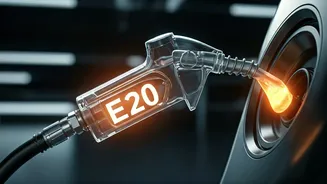
E20 petrol is a blend of 80% petrol and 20% ethanol. This initiative is part of India's Ethanol Blending Programme (EBP), which aims to reduce the country's reliance on imported crude oil, lower carbon emissions, and support the agricultural sector by
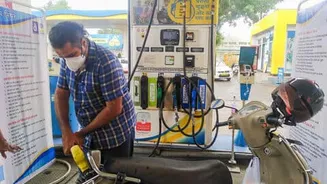
using surplus crops like sugarcane and maize to produce ethanol. The government has accelerated its rollout, achieving the 20% blending target years ahead of schedule, making E20 the standard petrol available nationwide.
Why Are Vehicle Owners Worried?
The primary concern stems from ethanol's properties. Ethanol can be more corrosive than conventional petrol and can attract and absorb water. For older vehicles, particularly those manufactured before 2021-2023, there are fears that this higher ethanol blend could degrade certain rubber and plastic components in the fuel system, such as hoses, gaskets, and seals, leading to leaks or engine problems. These vehicles were originally designed for petrol with no ethanol (E0) or a lower 10% blend (E10). The rapid shift to E20 has left many owners of older cars and two-wheelers feeling concerned about long-term reliability.
What ARAI's Statement Actually Means
Following widespread debate, ARAI has stated that claims of E20 causing extensive damage are not supported by evidence. ARAI Director Reji Mathai confirmed that extensive studies were conducted before the rollout. These tests, which involved running older and newer vehicles for tens of thousands of kilometres, found no significant adverse impact on critical vehicle components or overall performance. While some studies noted that certain rubber parts in older vehicles might degrade faster with E20, field trials and data from authorised service centres have not shown a significant spike in serious complaints linked to the fuel. In essence, ARAI is not saying damage is impossible, but that there is no evidence of a widespread, systemic problem.
So, Is Your Vehicle Safe to Use E20?
For modern vehicles, the answer is a clear yes. Most cars and two-wheelers manufactured since April 2023 are fully E20-compliant, and many manufacturers state that models from as early as 2020 are compatible. These vehicles have upgraded components designed to handle the higher ethanol blend. For older vehicles (pre-2020), the picture is less certain. While major manufacturers like Maruti Suzuki and Hero MotoCorp have stated their testing on older models showed no major concerns, they acknowledge the possibility of minor issues. The best advice for owners of older vehicles is to consult the vehicle's manual, contact the manufacturer directly, or speak with an authorised service centre for guidance specific to their model.
The Known Trade-Off: Fuel Efficiency
One undeniable effect of E20 fuel is a minor drop in fuel efficiency. Because ethanol has a lower energy content than petrol, vehicles running on E20 will consume slightly more fuel. ARAI's controlled tests confirmed a mileage reduction in the range of 2% to 6%, depending on the vehicle. While many real-world users have reported a higher drop, this official figure from ARAI clarifies that a decrease in 'kitna deti hai' is an expected trade-off for the fuel's environmental and economic benefits.