







Treasures Forged in the Mughal Empire
The story begins in 17th-century India, a period of immense artistic and architectural achievement under Mughal emperors like Shah Jahan. It was in this rich environment that an unknown prince commissioned two pairs of spectacles unlike any seen before
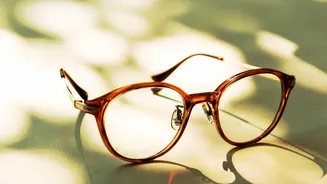
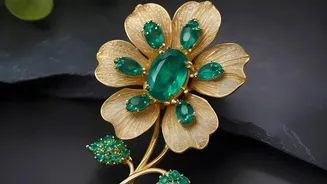
or since. These were not simply aids for vision but masterpieces of lapidary art and symbols of ultimate status. One pair, poetically named 'Halqeh-ye-Nur' or 'Halo of Light', featured lenses sliced from a single, flawless diamond. The other, called 'Astaneh-ye-Ferdaws' or 'Gate of Paradise', had lenses carved from a massive emerald. The sheer audacity of sacrificing such enormous gemstones to create lenses showcases the unparalleled wealth and artistic vision of the era.
Lenses of Diamond and Emerald
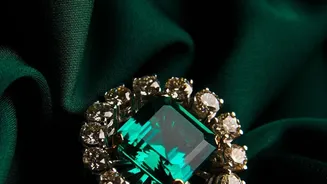
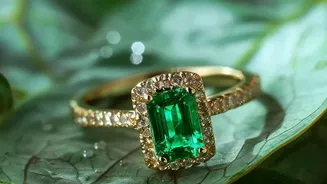
The materials used were of legendary quality. The lenses for the 'Halo of Light' spectacles were cleaved from a single diamond believed to originate from the famed Golconda mines of Southern India, estimated to have originally weighed over 200 carats. The two resulting lenses weigh a combined 25 carats. The 'Gate of Paradise' lenses were even more ambitious. They were crafted from a single Colombian emerald of over 300 carats, a gem of incredible size and quality. The skill required to cut these giant, precious stones into thin, transparent lenses without shattering them represents a level of technical mastery that is astonishing even by today's standards. The delicate frames seen today, decorated with rose-cut diamonds, were a later addition from the 1890s, updating the timeless lenses to a more modern style for the time.
A Journey Across Continents
The spectacles are a testament to early global trade routes. The breathtaking green of the 'Gate of Paradise' lenses comes from the Muzo mines of Colombia. These prized emeralds made their way to India through complex trade networks established by Spanish and Portuguese merchants in the 16th and 17th centuries. Mughal emperors and nobles had a particular fondness for Colombian emeralds, valuing them even more than diamonds for their vibrant colour and perceived mystical properties. For centuries, the spectacles remained in the collection of a princely Indian family before being sold to European buyers in the 1980s. Their eventual appearance at a Sotheby's auction in London brought their incredible journey to global attention, connecting the mines of South America, the workshops of Mughal India, and the auction houses of Europe.
Aids for Spiritual Enlightenment
These spectacles were designed for more than just seeing the material world; they were intended as aids for spiritual enlightenment. In Islamic and Indic traditions, specific gemstones were believed to possess powerful properties. Green was associated with paradise, healing, and salvation, and it was thought that looking through the emerald lenses of the 'Gate of Paradise' could offer a glimpse of heaven and ward off evil. Diamonds, on the other hand, were associated with celestial light and the presence of God. The 'Halo of Light' glasses were believed to help illuminate the mind and guide the wearer toward spiritual clarity. While some speculate they were commissioned by a grief-stricken Shah Jahan to soothe his eyes after the death of his wife, their true original owner remains a mystery, adding to their allure.