


The Monsoon Swell
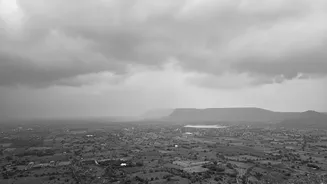
From June to September, the monsoon breathes life into the region, drastically altering the character of its lakes. Lowland water bodies like Manipur's Loktak Lake, the largest freshwater lake in the Northeast, swell significantly, with their surface
area expanding dramatically. This influx of water rejuvenates the ecosystem, supporting a rich diversity of fish, plants, and migratory birds. In Loktak, this season is crucial for the health of its famous 'phumdis'—unique floating islands of vegetation and soil. These masses, which can support entire fishing hamlets, thrive on the seasonal hydrological cycle. The monsoon renews the water, flushes the system, and dictates the rhythm of life for communities that depend on the lake for fishing and agriculture. However, human interventions like the Ithai Barrage have altered this natural pulse, impacting the lake's health and the livelihoods connected to it.
The High-Altitude Winter Freeze
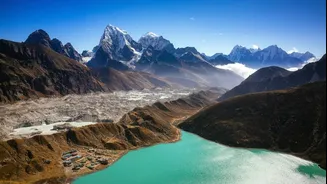
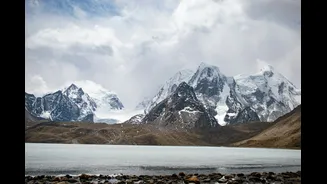
As winter descends from November to February, a profound change occurs, especially in the high-altitude glacial lakes of Sikkim. Tsomgo Lake, near Gangtok at over 12,000 feet, and Gurudongmar Lake, at a breathtaking 17,800 feet, transform into frozen spectacles. Temperatures in these areas can plummet to -15°C or even -20°C, covering the lakes in a thick sheet of ice. The surrounding landscapes become vast expanses of white, as snow blankets the mountains and valleys. For Tsomgo, the water source is melting snow from the surrounding glaciers, which means the lake is frigid year-round but freezes completely in winter. Gurudongmar, one of the world's highest lakes, also freezes over, though a small part is said to remain unfrozen due to a blessing from Guru Padmasambhava. This seasonal freeze creates an entirely different, starkly beautiful ecosystem and a major attraction for winter tourism.
Spring's Thaw and Summer's Bloom
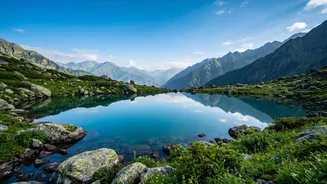
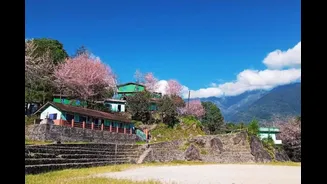
The arrival of spring from March to May marks a period of revival. As temperatures rise, the snow and ice that defined winter begin to melt, feeding the glacial lakes. Tsomgo Lake, for example, sheds its icy cover to reveal deep blue waters, often surrounded by blooming rhododendrons and other alpine flowers. This is a time of incredible scenic beauty when water clarity is high, and the ecosystem awakens. The melting snow from the Himalayas provides a steady source of fresh water, replenishing the lakes ahead of the next monsoon. In the plains, pre-monsoon showers can bring initial relief from the dry season, preparing the landscape for the deluge to come. This transitional period highlights the vibrant, colourful side of the lake ecosystems before the heavy cloud cover of the monsoon rolls in.
The Overarching Forces of Change
Beyond the immediate seasonal shifts, larger forces are at play. Altitude is the most significant factor, creating a stark difference between the low-lying wetlands of Assam and Manipur and the high-altitude glacial lakes of Sikkim. Climate change is also an accelerating factor. Rising temperatures are causing Himalayan glaciers to retreat at an alarming rate, which can lead to the expansion of existing glacial lakes and the formation of new ones. This initially increases water flow but poses long-term risks to water security and increases the danger of Glacial Lake Outburst Floods (GLOFs). Studies also show that Northeast India's climate is getting warmer and drier, which could alter monsoon patterns, affect rainfall, and impact the delicate hydrological balance that these lakes depend upon. These changes threaten not only the unique biodiversity of the region but also the millions of people who rely on these water towers for their survival.