

Choosing Your Kitchen Champions
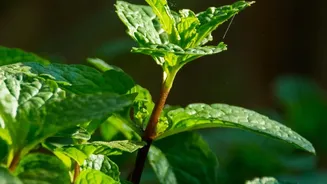
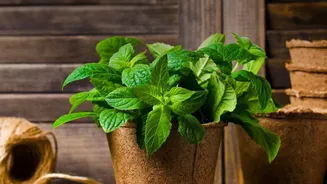
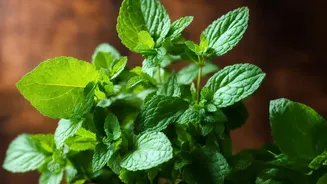
The secret to a successful windowsill garden is starting with the right players. For Indian kitchens, some herbs are simply non-negotiable. Mint (pudina) is a fantastic starter; it grows quickly and requires minimal care, though it's best to give it its
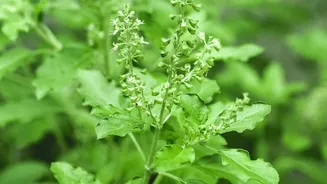
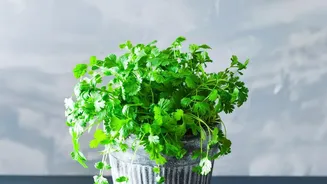
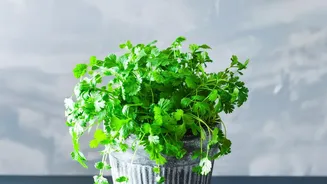
own pot as it spreads aggressively. Coriander (dhania), a staple in countless dishes, is another must-have. It grows well from seed, especially in cooler months. Don't stop there. Holy Basil (tulsi) is both sacred and hardy, thriving in sunny spots and perfect for herbal teas. Curry leaves, essential for tadkas, can also be grown in a pot, bringing an indispensable aroma to your cooking. For those who enjoy variety, fenugreek (methi) and even lemongrass are excellent choices that adapt well to container life.
The Right Foundation: Pots and Soil
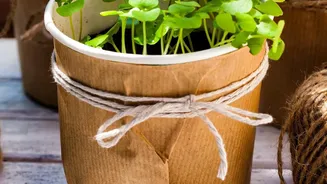
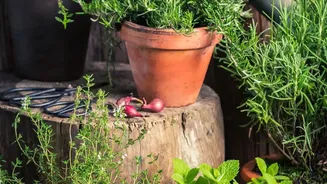
Your herbs need a happy home to flourish. The most critical factor is drainage. Always choose pots with holes at the bottom to prevent water from logging, which can lead to root rot. Terracotta pots are an excellent choice because their porous nature helps absorb excess water, keeping the soil from getting too soggy. As for size, a pot that is 6 to 8 inches in diameter is a good starting point for most individual herbs. When it comes to soil, avoid using heavy garden soil, which compacts easily and retains too much moisture. Instead, opt for a high-quality, well-draining potting mix. You can often find mixes specifically designed for containers, or create your own by adding some compost for nutrients. A good mix ensures roots have room to breathe and access moisture without being suffocated.
Let There Be Light
Sunlight is the most important ingredient for flavourful, bushy herbs. Most culinary herbs, including basil, mint, and coriander, need at least four to six hours of direct sunlight each day. The ideal location is a south or west-facing windowsill where the plants can soak up ample light. If you live in an apartment where direct sun is limited, an east-facing window that receives strong morning sun can also work well. To ensure your plants grow evenly, give them a quarter turn every few days. This prevents them from leaning in one direction towards the light and encourages balanced, sturdy growth all around.
Watering Wisdom: Less is More
One of the most common mistakes beginners make is overwatering. Indoor plants generally need less water than outdoor ones because they are not exposed to wind and intense heat, which means the soil stays moist for longer. Before you water, always check the soil. A simple rule is to stick your finger about an inch into the soil; if it feels dry, it's time to water. If it still feels moist, wait another day. When you do water, do it thoroughly until you see water draining from the bottom, then discard any excess from the saucer. This ensures the roots get a good drink without sitting in a puddle. Herbs like mint and basil prefer consistently moist soil, while others are more drought-tolerant.
Harvesting for Abundance
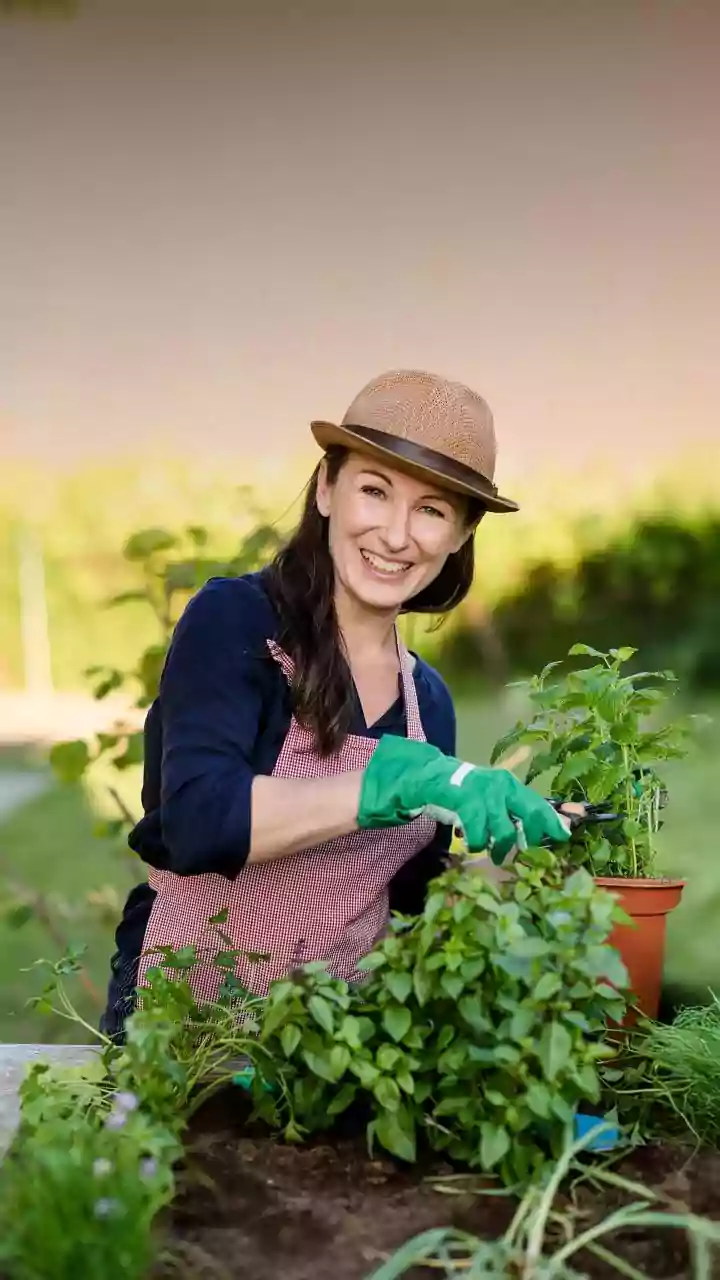
Don't be shy about using your herbs! Regular harvesting actually encourages the plants to become bushier and more productive. For leafy herbs like mint and basil, pinch off the top sets of leaves regularly. This prevents the plant from flowering prematurely and encourages it to branch out, creating more foliage for you to enjoy. For coriander, you can start snipping the outer leaves once the plant is a few inches tall. Regular trimming not only provides you with fresh ingredients but also keeps the plants healthy and prevents them from becoming lanky. A well-tended herb garden is a gift that keeps on giving, providing fresh flavours for your kitchen adventures.