






What Are Front-of-Pack Warnings?
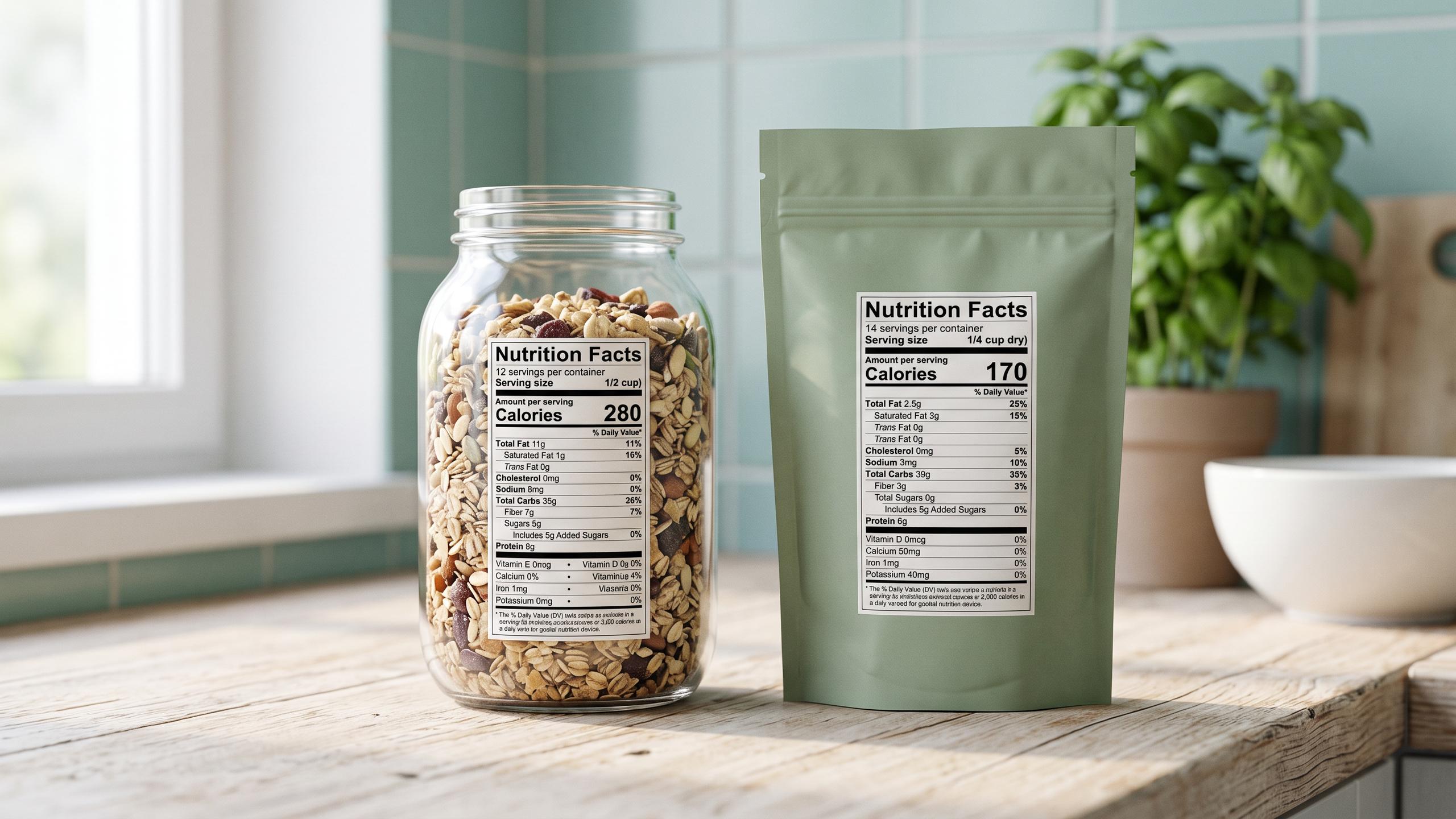
Front-of-Pack Labelling (FOPL) is a system designed to give consumers quick, easy-to-understand information about a food's nutritional content. Instead of searching for the detailed nutrition table on the back, shoppers can see a simple, visual guide
on the front. These systems are meant to highlight products high in salt, sugar, and unhealthy fats—key contributors to non-communicable diseases like obesity, diabetes, and heart disease. Globally, FOPL takes many forms, from traffic-light systems (red, amber, green) used in the UK to clear, octagonal warning signs used in countries like Chile that explicitly state a product is 'High In Sugar'.
A Report Unpacks the Lobbying Efforts
Recent investigative reporting, based on meeting recordings and internal documents, has shed light on a coordinated campaign by major food and beverage companies and their industry associations in India. According to the findings, these groups have actively lobbied against the implementation of strong, mandatory warning labels. The reports detail a March 2026 meeting where executives argued to the Food Safety and Standards Authority of India (FSSAI) that such warnings are 'simplistic' and 'confusing' for consumers. The industry's central argument is that their products would be unfairly targeted, with one association estimating nearly 80% of packaged foods in India would require a red 'high-in' warning.
Strong Warnings vs. Weaker Ratings
Public health advocates and consumer groups argue for direct, unambiguous warnings, like a red symbol for high sugar content. Studies suggest these are the most effective way for consumers to quickly identify unhealthy products. The food industry, however, has favoured a different model: the Indian Nutrition Rating (INR). This is a 'health star rating' system, similar to one used in Australia, that gives products a score from a half-star to five stars. Critics argue this system is weaker because it can be misleading. A product high in sugar could still receive a relatively good star rating by adding 'positive' nutrients like fibre or protein, creating a confusing 'health halo' around an otherwise unhealthy item.
The Regulator's Reversal
For years, the FSSAI has been developing FOPL regulations. While warning labels were on the table, the regulator appeared to reverse its course following industry pushback. In August 2026, FSSAI proposed a system that favoured displaying a simple nutrient table over prominent warning labels, a move seen as a major concession to the industry. This has not gone unnoticed. A parliamentary panel has expressed dismay over the delays, and the Supreme Court is now scrutinising the FSSAI's decision-making process, questioning whether corporate pressure is holding back vital public health measures.
Why This Matters for Your Health
The stakes in this debate are incredibly high. India is facing a growing crisis of lifestyle-related diseases, and some projections estimate that 450 million Indians could be overweight or obese by 2050. Clear and honest food labelling is considered a critical tool to help people make healthier choices. For example, reports have noted that the same fizzy drink sold in India can contain three times the sugar as its UK counterpart, a fact that is not immediately obvious to a consumer. The battle over these labels will determine how much information you have when deciding what to feed yourself and your family. It's a fight between corporate profits and your right to clear, accessible health information.