





Meet the U1: A New Kind of Companion
Shenzhen-based UBTech Robotics recently launched the U1 series, its first major push into the consumer humanoid robot market. Unlike many of its predecessors which are faceless automatons designed for industrial tasks, the U1 is built for one primary
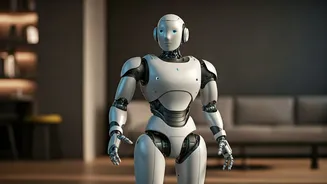
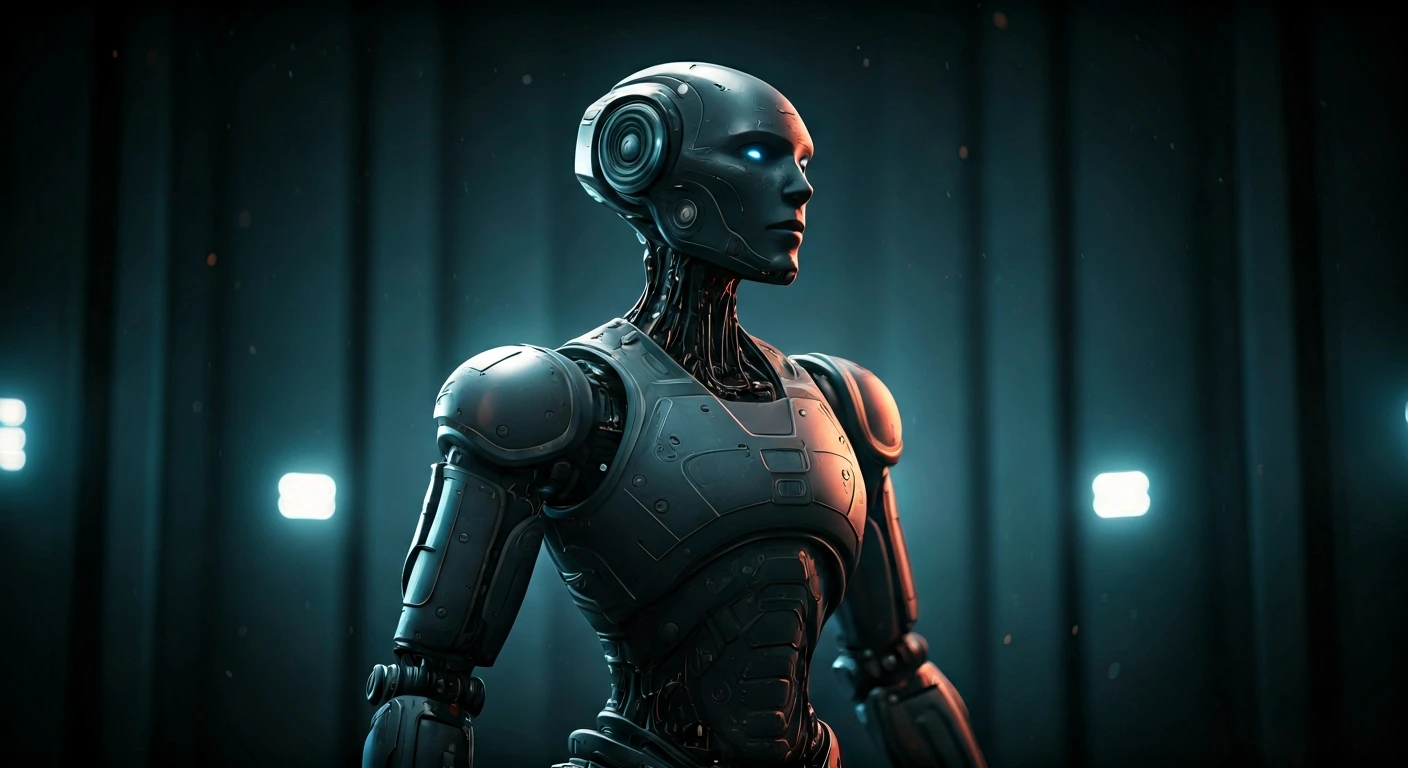
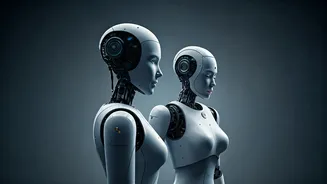
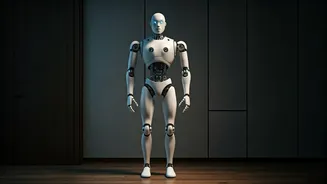
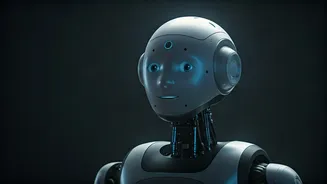
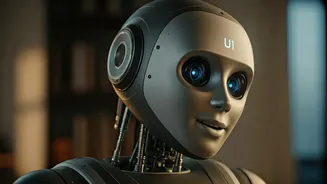
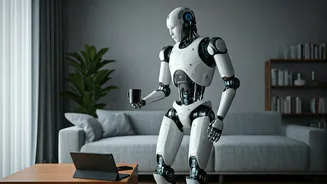
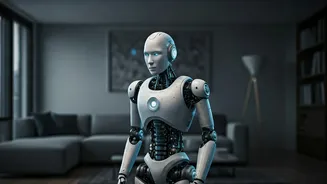
purpose: companionship. Presented under a new consumer brand, UWorld, the robot is being positioned as an antidote to loneliness, particularly for single people and the elderly. The U1 comes in male and female versions, standing at 183 cm and 168 cm respectively, and is crafted to a 1:1 human scale with hyper-realistic details. The focus is explicitly on social and emotional interaction rather than heavy labour.
What Makes It 'Lifelike'?
The U1’s claim to being “lifelike” rests on a combination of sophisticated hardware and artificial intelligence. The robot is covered in a supple, synthetic skin that mimics human texture, complete with details like pores and fingerprints. It possesses up to 88 high-precision joints, allowing for more nuanced and fluid movements, from blinking to turning its head. At its recent launch event, UBTech demonstrated the U1's ability to walk the stage, attempting to blur the line between human and machine. Powering this is an “emotion-aware” large language model that helps the robot recognize and respond to fine-grained emotional states. The company claims it can recognise over 20 emotional states with high accuracy.
Privacy-First AI and Customisation
One of the most significant technical features is the U1's emphasis on privacy. The emotional AI model runs locally on a dedicated processor, meaning user data and conversations are encrypted and stored on the device itself, not uploaded to the cloud. This is a notable departure from most smart assistants that rely on cloud-based processing. The U1 is also highly customisable. UBTech says that for a higher price, a customer can personalise the robot's hair, face, and clothing to resemble a loved one or even a celebrity. The system can also incorporate 3D facial reconstruction and voiceprint replication to create a truly personalised companion, a feature that also raises new questions about identity and digital likeness.
The Human-Robot Future
The U1 is not designed to perform household chores like cooking or cleaning. Instead, its skills are social. It can hold conversations, remind users to take medication, and learn individual preferences over time to offer soothing words when it detects stress or fatigue. UBTech's chairman, Zhou Jian, described a three-step path for human-robot symbiosis: first replacing repetitive labour, second providing companionship services, and finally achieving a deep integration of humans and machines. The U1 represents a firm step into that second phase. The launch reflects a broader trend, with companies like Tesla, Boston Dynamics, and Xiaomi all developing their own humanoid robots.
Market Reception and What's Next
Despite a hefty price tag—ranging from approximately $17,650 for a basic model to over $138,000 for the top-tier 'Ultra' version—market interest appears strong. UBTech reported receiving over 13,000 pre-orders globally ahead of its September shipping date. While the technology is impressive, there are still challenges. The robot's battery life is currently between two and four hours, and its walking, while functional, has been described as somewhat awkward by observers at the launch event. Whether UBTech can successfully mass-produce and deliver thousands of these complex machines on schedule remains a significant test for the company and the consumer robotics industry as a whole.