




The Search for Authentic Experiences
For a generation that values experiences over possessions, authenticity is the ultimate currency. Millennial and Gen Z travellers are increasingly bypassing standardized tourist trails in favour of genuine cultural immersion. Street food is the perfect
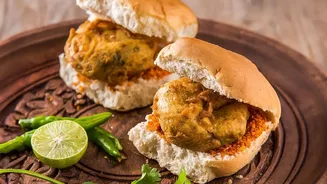
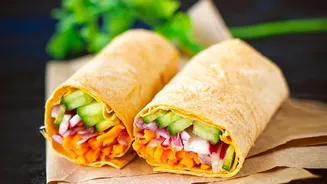
gateway to this. It's not just about eating; it's about connecting with the rhythm of a city, engaging with vendors whose recipes are generations old, and tasting a flavour profile that tells the story of a specific region. A recent report highlights that 67% of Indian travellers now plan holidays around cultural experiences, with regional cuisine being a primary draw. Eating a Vada Pav in Mumbai or a Kathi Roll in Kolkata is to taste the city's soul in a way a hotel restaurant simply cannot replicate.
A Feast for the Social Media Feed
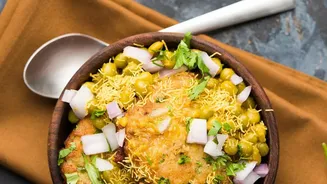
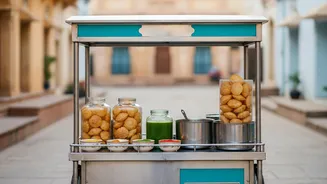
It's impossible to discuss millennial trends without mentioning social media. Platforms like Instagram and YouTube have transformed street food from a quick bite into a visual spectacle. Food vloggers and influencers play a significant role in shaping dining preferences, turning a local chaat corner or a hidden kebab stall into a must-visit destination. Research shows that engaging content and storytelling from bloggers significantly influence tourists' food choices. The vibrant colours of a plate of chaat, the dramatic flip of a paratha, or the gooey cheese-pull from a fusion dish are all highly shareable moments. This creates a cycle where discovering and documenting unique street food becomes part of the travel adventure itself.
Flavour Over Formula
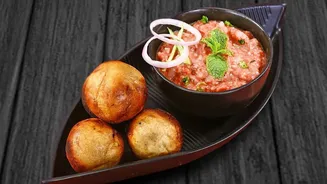
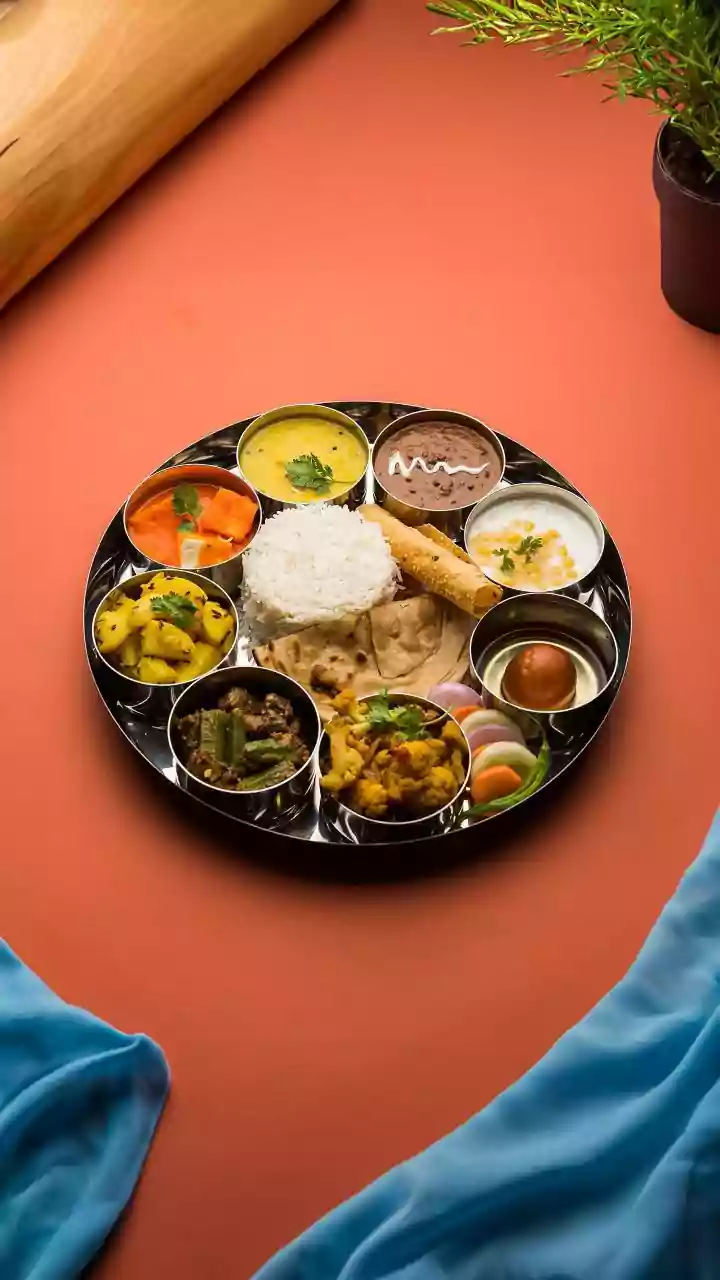
Today's young travellers have sophisticated palates and a deep curiosity about India's vast culinary diversity. They understand that the 'Indian food' they find abroad is often a pale imitation of the real thing. Travel within India offers a chance to explore this incredible range, from the spicy misal of Kolhapur to the savoury kachoris of Jaipur and the unique seafood snacks of Thalassery. This generation is actively seeking out hyper-local specialities, appreciating the subtle differences that make each region's cuisine unique. This curiosity is driving a rediscovery of forgotten recipes and celebrating the chefs and vendors who are preserving India's culinary heritage.
The Experience Is the New Souvenir
In an age of digital nomads and minimalist mindsets, the best travel souvenirs are often memories, not objects. The experience of navigating a bustling market in Old Delhi, sharing a laugh with a phuchka vendor in Kolkata, or discovering a new favourite dish is a story to be told and cherished. These moments of connection and discovery are what make a trip memorable. A study on food tourism found that for many travellers, food serves as a dynamic channel for sharing stories, forming relationships, and building communities. The entire sensory experience—the sounds, the smells, the organised chaos—is something that young travellers actively seek out and value highly.
An Adventure That's Easy on the Wallet
While the cultural drivers are strong, the practical aspect of affordability cannot be overlooked. Street food offers an incredibly democratic way to experience a destination's culinary landscape. For young travellers who are often on a budget, being able to sample a wide variety of dishes without breaking the bank is a massive advantage. One can go on an extensive food tour in cities like Indore or Amritsar for a fraction of the cost of a single meal at a fine-dining restaurant. This affordability allows for more experimentation and a longer, more diverse culinary journey, making the trip richer and more fulfilling.