






The Traditional Route: The Embassy Visa
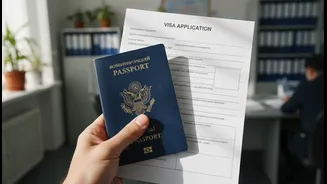
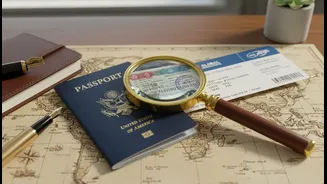
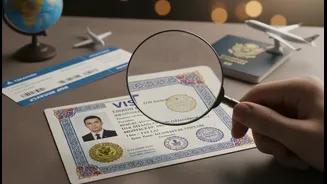
The most traditional method is applying directly to the destination country's embassy or consulate. This process typically involves filling out a detailed application form, gathering a host of supporting documents like financial statements and travel
itineraries, and attending an in-person interview. This method is common for long-stay visas (like work or study permits) or for countries with stringent entry requirements, such as the United States. Applicants usually schedule an appointment, submit their passport and documents, and may have a brief interview with a consular officer who makes the final decision. While thorough, this process can be time-consuming, sometimes taking weeks or months.
The Middleman: Visa Application Vendors
Many countries, including the popular Schengen group in Europe, outsource the administrative parts of the visa process to private companies like VFS Global or BLS International. These vendors act as official middlemen. For Indian applicants, this means you will visit a vendor's application centre instead of the embassy itself. Their job is to collect your application form, verify that your documents are in order, and capture biometric data like fingerprints and photographs. However, it's crucial to remember that these vendors do not make the visa decision. They simply forward your application to the respective embassy or consulate, which holds the sole authority to approve or deny the visa. This system helps manage high volumes of applications efficiently but adds an extra service fee to the overall cost.
The Digital Path: The E-Visa System
The e-visa, or electronic visa, has revolutionized travel for Indian passport holders. A growing number of countries, including popular destinations like Malaysia, Vietnam, Sri Lanka, and Turkey, offer this convenient option. The entire process is completed online: you fill out a form, upload digital copies of your passport and photo, and pay the fee electronically. Approval is typically fast, often within a few hours to a few days, and the visa is sent to your email. You simply print it out and carry it with you. E-visas are generally for short-term tourism or business and have made spontaneous travel much more accessible.
How to Find the Correct Process
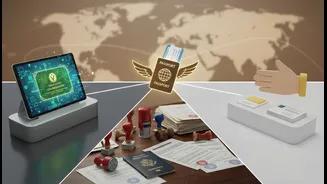
So, how do you know which system to use? The most reliable way is to start at the source. Your first step should always be to visit the official website of the embassy or consulate of the country you plan to visit. These official government sites will provide the definitive rules for Indian citizens. They will either direct you to their own online application portal (for e-visas), guide you to their designated vendor's website (like VFS Global), or provide instructions for scheduling a direct appointment. Never rely solely on a travel agent or third-party website without cross-verifying with the official government source.
Beware of Common Traps and Scams
The convenience of online systems has also led to a rise in scams. Be extremely cautious of fake websites that mimic official portals. These fraudulent sites can look very convincing but are designed to steal your money and personal information. Always double-check that the website address ends in the official government domain (like .gov). Similarly, be wary of agents who promise guaranteed visas or expedited processing for an extra fee. Legitimate visa decisions are made by consular officers, and no outside agent can influence that outcome. Only pay fees through the official channels listed on the embassy or vendor website.