








A New Kind of Factory Floor
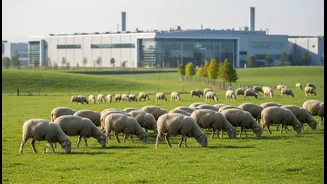
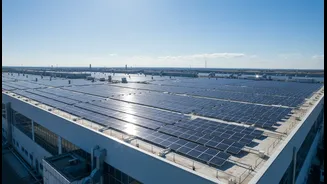
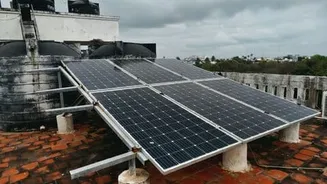
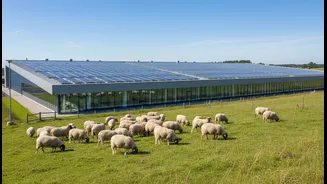
Volkswagen's factory in Poznań, Poland, is pioneering a unique ecological experiment. The facility, which manufactures commercial vehicles like the e-Crafter van, is partly powered by a massive 18.3-megawatt solar farm with over 31,000 panels. On sunny
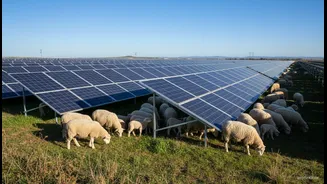
days, this installation can meet the factory's entire electricity demand, and over a year, it supplies about a quarter of the plant's total power needs. But the real innovation isn't just the solar panels; it's the new groundskeeping crew: a flock of 100 sheep that now roam the site, keeping the grass neatly trimmed. This initiative turns the land into a hub of biodiversity and research.
The Green-Energy Maintenance Problem
Large-scale solar farms present a fundamental maintenance challenge: vegetation management. If grass and weeds grow too tall, they can cast shadows on the photovoltaic panels, significantly reducing their energy output and efficiency. The traditional solutions—mechanical lawnmowers and chemical herbicides—come with considerable downsides. Mowers consume fossil fuels, generate emissions, and can kick up rocks or debris that might damage the expensive panels. Herbicides, on the other hand, can harm the local ecosystem, contaminate soil, and pose a risk to wildlife. These methods are not only costly and labor-intensive but also run counter to the green principles of renewable energy itself.
Nature's Perfect Lawn Mower
Enter the sheep. This practice, known as solar grazing, is a form of agrivoltaics—the dual use of land for both agriculture and solar power generation. Sheep have proven to be the ideal animals for the job. Unlike goats, they show no interest in climbing on structures or chewing on wires. And unlike cattle, they are small enough to move easily underneath and around the solar arrays without causing damage. A single sheep can eat several pounds of grass a day, naturally maintaining vegetation at the perfect height to prevent shading while eliminating the need for noisy, polluting machinery. This makes them a cost-effective, quiet, and emission-free solution.
A System of Mutual Benefits
The relationship between the solar farm and the flock is symbiotic. The factory benefits from lower operational costs, as solar grazing can be significantly cheaper than conventional mowing. Meanwhile, the sheep thrive in their new environment. The solar panels provide ample shade and shelter from the elements, improving animal welfare, especially on hot days. As they graze, the sheep naturally fertilize the soil with their manure and aerate it with their hooves, improving soil health, biodiversity, and water retention. This creates a healthier ecosystem, turning what was once a simple industrial site into a functioning grassland that supports both energy production and agriculture.
More Than Just Mowing
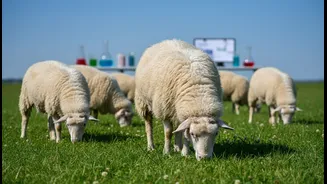
What sets the Volkswagen project apart is its commitment to scientific inquiry. The company has partnered with the Poznań University of Life Sciences to formally study the effects of the project. Researchers are monitoring everything from the sheep's welfare and the site's microclimate to changes in soil quality and biodiversity. This effort aims to gather concrete data on how large-scale industry can work in harmony with nature. By proving the ecological and economic advantages, this project could serve as a blueprint for other industrial companies, demonstrating that land dedicated to renewable energy can also become a valuable asset for local agriculture and environmental regeneration. It reframes the conversation from a simple choice between land for energy or land for farming to a model where both can prosper together.