








What Exactly Is Breath Journaling?
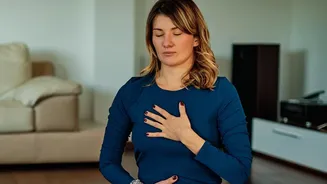
Breath journaling is a mindfulness practice that combines intentional breathing exercises with the reflective act of writing. It’s a dedicated time to focus on your breath and then record the thoughts, feelings, and physical sensations that arise. Unlike
some wellness trends that require apps or equipment, its beauty lies in its simplicity: all you need is a pen and paper. The goal isn't to achieve a perfect meditative state but to create a structured moment of awareness. By paying attention to your breath and then putting your observations onto the page, you create a tangible record of your inner state, which can help you notice patterns in your thoughts and feelings over time.
A Tool for Focus, Not a Cure
It is important to frame breath journaling as a self-care tool for focus and reflection, not a clinical intervention for medical conditions. The benefits are centered on personal awareness and mental clarity. Regularly engaging in the practice can help you train your mind to stay on task and reduce the impact of distracting thoughts. Many find it calms the nervous system, helping to release physical tension held in the body. The process sharpens what experts call interoceptive awareness—your ability to sense your body's internal signals. By journaling about how different breathing patterns affect you, you gain practical insight into what helps you feel calm, focused, or energized, empowering you to better manage your daily stress levels.
How to Start: A Simple Paper-Based Guide
Getting started is straightforward. First, find a quiet, comfortable space where you can sit without distractions for 10 to 15 minutes. Place a notebook and pen nearby. Begin by focusing on your breath for a few minutes. You can try a simple technique like box breathing—inhale for four counts, hold for four, exhale for four, and hold for four—or simply observe the natural rhythm of your breath. When your timer goes off, pick up your pen and write. Don't overthink it or judge what comes out. The goal is to let your reflections flow freely. You can describe the physical sensations you noticed, the thoughts that drifted by, or any emotions that surfaced during the breathing exercise.
Prompts to Deepen Your Practice
While free-writing is effective, some people prefer prompts to guide their reflection. These questions can help you delve deeper into your experience and notice patterns that affect your focus. Try asking yourself: 'What thoughts were distracting me today?', 'How does my body feel right now?', or 'Where am I holding tension?'. You can also get creative by trying to draw your breath, using lines to represent whether your breathing was fast and shallow or slow and deep. Over time, you can reflect on past entries to track your progress, identify recurring themes, and see how your relationship with your breath and focus evolves. This simple act of reviewing your notes helps reinforce positive changes and provides a personal map of your journey toward greater self-awareness.