





What Exactly Is El Niño?
El Niño is a naturally occurring climate phenomenon characterized by the unusual warming of sea surface temperatures in the central and eastern equatorial Pacific Ocean. Think of the Pacific as a massive engine influencing global weather. Normally, strong
trade winds push warm surface water towards Asia, keeping the eastern Pacific cooler. During an El Niño event, these winds weaken, allowing the warm water to spread back towards South America. This shift might seem distant, but it disrupts atmospheric circulation patterns across the globe, including the crucial winds that drive the Indian monsoon.
The Monsoon Connection
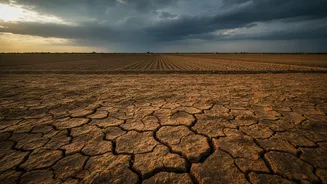
India's summer monsoon relies on a temperature difference between the hot Indian landmass and the cooler Indian Ocean, which pulls moisture-rich air onto the subcontinent. El Niño disrupts this delicate balance. The warming of the Pacific Ocean can weaken the entire monsoon circulation system, reducing the flow of moisture towards India. Historically, several of India's most severe droughts have coincided with El Niño years. While not every El Niño leads to a poor monsoon, it significantly increases the probability of below-normal rainfall, delayed onset, or extended dry spells during the crucial June to September season.
Why 70% of Rainfall Matters So Much
The southwest monsoon accounts for 70% to 80% of India’s total annual rainfall, making it the single most important event for the country's water security. This four-month period is critical for agriculture, as it nourishes the Kharif or summer crops like rice, cotton, and soybeans. Nearly half of India's farmland is rain-fed, meaning it has no other source of irrigation and is completely dependent on the monsoon. Beyond the fields, these rains are essential for replenishing reservoirs that supply drinking water to cities, generating hydroelectric power, and recharging groundwater levels across the nation.
The Domino Effect of a Weak Monsoon
A weak monsoon sets off a chain reaction that ripples through the entire economy. The most immediate impact is on agriculture. Lower crop yields lead to reduced income for millions of farmers, who make up a significant portion of the workforce. This, in turn, can trigger higher food prices and stoke inflation, affecting household budgets across the country. The economic distress doesn't stop at the farm gate. With less money in their pockets, rural consumers cut back on spending, hurting sales of everything from tractors and two-wheelers to consumer goods and housing.
Beyond Agriculture and Inflation
The consequences of a rainfall deficit extend into other sectors as well. Lower water levels in dams and reservoirs can strain hydroelectric power generation, forcing a greater reliance on other energy sources. Water scarcity can become a serious issue for both urban and rural populations. Furthermore, a struggling agricultural sector puts pressure on government finances. The government may need to increase spending on relief measures, subsidies, and support schemes for affected farmers, which can strain the national budget. Even the financial sector feels the impact, as rural income stress can affect loan repayments, particularly for microfinance institutions.