



A Song's Poetic Beginning
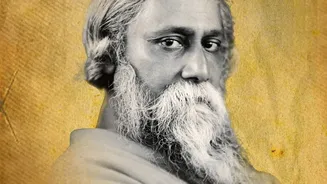
The story begins not with an anthem, but with a five-stanza poem. On December 11, 1911, Rabindranath Tagore composed 'Bharoto Bhagyo Bidhata' in a highly Sanskritised form of Bengali. It was a hymn intended for the Brahmo Samaj, reflecting India's spiritual
and diverse soul. The song made its public debut shortly after, on December 27, 1911, during the Calcutta session of the Indian National Congress. Sung by Tagore's niece, Sarala Devi Chowdhurani, along with a group of students, its journey into the national consciousness had begun. However, at this point, it was simply a patriotic composition, one among many, and its path to becoming the nation's official voice was still decades away.
A Persistent Colonial Myth
Almost immediately, a controversy was born that has proven remarkably persistent. Because the song's first performance coincided with a visit by Britain's King George V, the Anglo-Indian press erroneously reported that Tagore’s poem was a hymn of praise for the monarch. These colonial newspapers, loyal to the regime, created a powerful but false narrative. In reality, another song, 'Badshah Humara' by Rambhuj Chaudhary, was performed in the King's honour that day. Tagore himself was dismayed by the misinterpretation and refuted it multiple times. In a 1937 letter, he clarified that the 'Dispenser of India's destiny' in his song was the eternal spirit guiding the nation, not any earthly king. He stated he would only 'insult myself' by being capable of such 'unbounded stupidity'.
The Anthem That Wasn't Ready
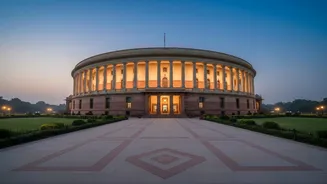
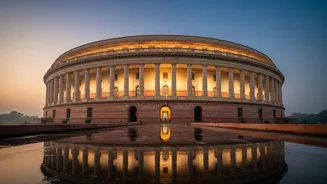
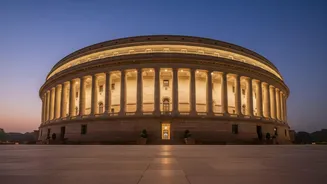
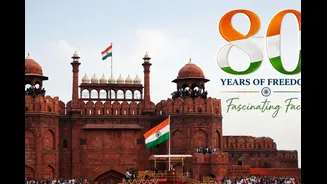
Here lies the lesser-known fact: when India celebrated its first Independence Day at the stroke of midnight on August 14-15, 1947, it did not have an officially adopted national anthem. While the Tricolour had been formally adopted as the national flag by the Constituent Assembly on July 22, 1947, the anthem's status was still undecided. 'Jana Gana Mana' was indeed sung by the members of the Constituent Assembly at the conclusion of the historic midnight session, signaling its de facto acceptance by the leadership. A recording was even presented to the United Nations General Assembly in 1947 as India's anthem. Yet, legally and constitutionally, it had not been formally designated.
A Tale of Two Songs
The choice of a national anthem was not a simple one. Another powerful contender was 'Vande Mataram', the song from Bankim Chandra Chatterjee's novel 'Anandamath'. 'Vande Mataram' had been the cry of the freedom struggle for decades, a symbol of resistance and passion. The Constituent Assembly had to navigate the deep historical and emotional significance of both songs. The debate acknowledged 'Vande Mataram's' historic role, but 'Jana Gana Mana', with its message of pluralism and unity celebrating India’s diverse regions, was seen by many as a more fitting reflection of the new, inclusive republic.
The Final, Formal Decision
The decision finally came nearly two-and-a-half years after independence. On January 24, 1950, just two days before India became a republic, the matter was settled. Dr. Rajendra Prasad, the President of the Constituent Assembly, issued a statement instead of holding a formal vote. He declared that 'Jana Gana Mana' would be the National Anthem of India. In the same statement, he announced that 'Vande Mataram', due to its historic part in the freedom struggle, would be honoured equally and have equal status as the National Song. This decision formally adopted the first stanza of Tagore's poem as the anthem, with an approximate duration of 52 seconds, cementing its place in the heart of the nation.