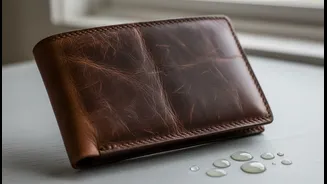







Why Your Leather Is Thirsty
Think of leather as skin, because that’s what it is. Over time, exposure to sunlight, heat, and dry air causes it to lose its natural oils and moisture. This process leads to the material becoming stiff, brittle, and eventually, prone to cracking. Conditioning
replenishes these essential oils, restoring the leather’s flexibility and suppleness. Regular maintenance not only preserves its soft feel but also enhances its durability, strengthens its fibres, and improves its appearance by restoring a natural sheen. It’s a simple, preventative step that can mean the difference between an item that lasts a few years and one that becomes a cherished heirloom.
How Often Should You Condition?
The phrase 'every few months' is a great rule of thumb, but the ideal frequency depends on several factors. For most items, conditioning every six months—perhaps in the spring and fall—is sufficient. However, this can change based on climate and usage. If you live in a hot, dry region, you may need to condition your leather goods more often, such as every three to four months, to combat moisture loss. High-use items like daily-wear shoes, wallets, or a family sofa will also benefit from more frequent attention, roughly every six months. In contrast, an item used only occasionally or stored in a humid climate might only need conditioning once a year. The best approach is to let the leather tell you when it’s thirsty; if it starts to look dull, feel stiff, or lighten in colour, it's time to condition.
Choosing the Right Conditioner
Not all conditioners are created equal, and the right choice depends on your item. Conditioners come in several forms: creams, oils, waxes, and sprays. Creams are excellent all-rounders, providing deep moisture and being easy to apply, making them great for handbags and jackets. Oils, like mink or neatsfoot oil, offer deep penetration for very dry or heavy-duty leather but should be used sparingly. Waxes, such as beeswax, are fantastic for forming a protective, water-resistant barrier, ideal for boots and outdoor gear. For delicate items like soft leather bags, a lightweight cream is best, while rugged full-grain leather can handle a heavier product. Always avoid products with harsh chemicals, alcohol, or petroleum, which can strip natural oils. When in doubt, choose a conditioner with natural ingredients like beeswax and cocoa butter.
A Simple Step-by-Step Guide
Conditioning leather is a straightforward process. First, always start by cleaning the item. Use a soft brush or cloth to remove surface dirt, then wipe it down with a slightly damp cloth or a dedicated leather cleaner. Let it air dry completely; conditioning damp leather can trap moisture and lead to mould. Next, test the conditioner on a small, hidden spot to ensure it doesn't cause discoloration. Apply a small amount of conditioner to a clean, soft cloth—not directly onto the leather—and rub it in using gentle, circular motions. Let the conditioner absorb for at least 30 minutes, or even overnight. Finally, take another clean cloth and buff the entire surface to remove any excess product and bring out a natural shine.
Common Mistakes to Avoid
Proper care is as much about what you don't do. One of the biggest mistakes is over-conditioning. Applying conditioner too often or using too much product can clog the leather's pores, making it feel greasy and attracting dust. Less is more. Another common error is using the wrong cleaning products. Household cleaners, detergents, or baby wipes contain chemicals that can dry out and damage leather. Also, never use direct heat, like a hairdryer, to dry wet leather, as this will cause it to become brittle and crack. Finally, proper storage is crucial. Keep leather items out of direct sunlight and in breathable bags, not plastic, to prevent fading and mould growth.