
The Vision-Only Gamble
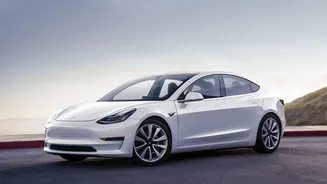
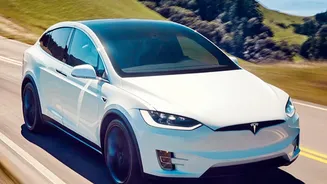
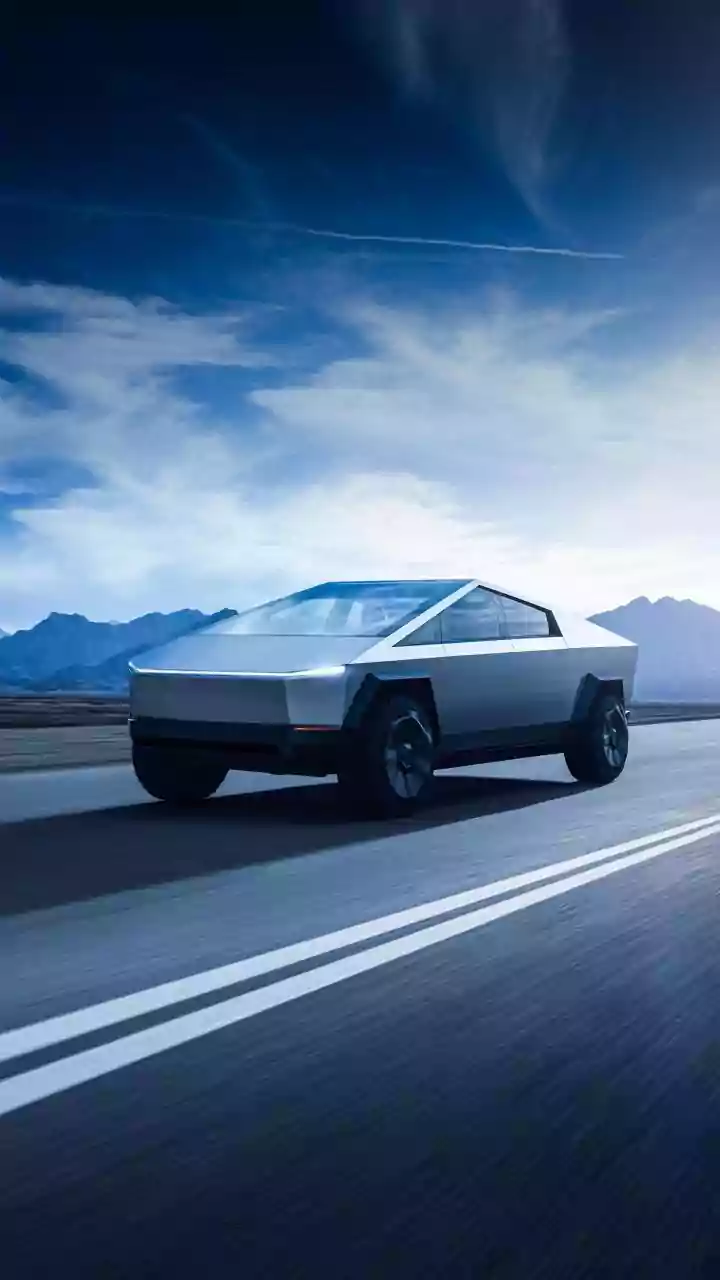
At the heart of this test is Tesla Vision, the company's ambitious and controversial autonomous driving system. Unlike many competitors who use a combination of cameras, radar, and expensive LiDAR sensors, Tesla has committed to a 'vision-only' approach.
The system uses a network of eight cameras to create a 360-degree view of the car's surroundings, which is then interpreted by a powerful neural network. The idea is to mimic how a human driver perceives the world, relying solely on visual data to identify other vehicles, pedestrians, lane markings, and traffic signals. This strategy is more cost-effective and scalable, but it places immense pressure on the software's ability to make sense of a visually complex world without the redundancy that other sensors provide.
Why Gurugram Is the Ultimate Test Track
Choosing Gurugram for these road tests is a deliberate and telling move. As a major financial and technology hub, the city boasts modern infrastructure, but it also features the uniquely challenging traffic conditions common across India. A recent viral video from the city showed a Tesla's display screen becoming a crowded digital canvas of cars, motorcycles, and pedestrians, highlighting the sheer density of objects the system must track. This environment, often described as chaotic, includes a mix of vehicle types, from modern cars to auto-rickshaws and two-wheelers that weave through tight gaps. Add in unpredictable pedestrian behaviour, stray animals, and a general disregard for strict lane discipline, and Gurugram becomes the perfect stress-test for any autonomous system. If Tesla's AI can learn to navigate here, it can arguably learn to drive anywhere.
Can Cameras Truly Conquer Chaos?
The core challenge lies in the unpredictability of Indian roads. Autonomous systems are typically trained in more structured environments like North America and Europe, where rules are generally followed. In India, however, the system must adapt to a different logic. Drivers often rely on intuition and informal communication, while poor road infrastructure like faded lane markings and potholes add another layer of difficulty. Experts point out that systems must be specifically trained on India-specific datasets to understand local nuances, such as the unique shape of an auto-rickshaw or the erratic movements of two-wheelers. Without this localised training, a camera-only system risks misinterpreting objects or failing to predict sudden movements, a concern that has been raised by critics of the technology.
A Data Goldmine for a Global Strategy
While selling cars in India is a long-term goal, many believe this testing phase serves a more immediate and strategic purpose: data collection. Indian roads offer a treasure trove of 'edge cases'—rare and unpredictable scenarios that are crucial for training a robust AI. Every unexpected swerve from a scooter or a pedestrian crossing a busy road becomes a valuable lesson for Tesla's neural network. By hiring local 'Autopilot Vehicle Operators' to drive and gather this data, Tesla is essentially stress-testing its system in a real-world chaos simulator. Successfully teaching its AI to handle these conditions would not only validate its vision-only approach but also give it a significant competitive advantage globally. The data gathered in Gurugram could help improve Full Self-Driving (FSD) performance for Tesla owners worldwide.
The Road Ahead for Autonomous Driving in India
Tesla is not alone in this pursuit. Indian startups are also developing autonomous systems trained from the ground up on local conditions. However, significant hurdles remain for widespread adoption. India currently lacks a clear legal and regulatory framework for autonomous vehicles, leaving critical questions about liability and safety certification unanswered. Furthermore, public perception and trust in driverless technology are still low. For now, the vehicles being tested require active driver supervision and are far from being fully autonomous. The Gurugram tests are therefore not the final destination, but rather a crucial first step in a long and complex journey toward a driverless future in India.