





The Biggest Change in 50 Years
The core of the US crackdown is the end of a system known as “Duration of Status” (D/S). For decades, this allowed international students to remain in the US as long as they were enrolled full-time and maintained their F-1 status. On July 16, 2026, the Department
of Homeland Security announced this system will be replaced, effective September 15, 2026. Now, students will be admitted for a fixed period—either the length of their academic program or four years, whichever is shorter. This is a fundamental change. Instead of your university handling extensions internally, you will have to formally apply to US Citizenship and Immigration Services (USCIS) if your program takes longer than your allotted time. This means more paperwork, more fees, and more uncertainty.
What the New Fixed Period Means for You
This new rule directly impacts every aspect of your stay. Firstly, the post-graduation grace period to pack up, travel, or change your visa status has been cut in half, from 60 days to just 30. For students in PhD or other long-duration programs, the four-year cap means a mandatory extension process midway through your studies. Even students already in the US are not entirely exempt; while transition rules exist, anyone re-entering the country after September 15, 2026, will likely be moved to the new fixed-term system. The key takeaway is that your visa status is no longer a background detail but an active deadline you must manage. Constant communication with your university's Designated School Official (DSO) is now more critical than ever.
Surviving the Stricter Visa Interview
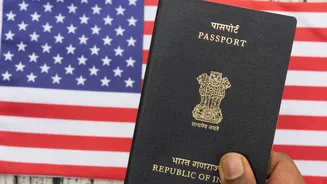
Beyond the new rule, the entire atmosphere has shifted. Consular officers are applying far greater scrutiny during visa interviews, contributing to a 62% drop in F-1 visas issued to Indians in the peak season of 2025 compared to the previous year. The most crucial element to prove is “non-immigrant intent”—convincing the officer that you plan to return to India after your studies. Be prepared to clearly articulate your post-graduation plans in India and demonstrate strong financial, family, and professional ties to your home country. Vague answers or any hint that you see the F-1 visa primarily as a path to work and settle in the US can lead to a swift rejection.
The Zero-Tolerance Compliance Era
Once you have the visa, maintaining your status is non-negotiable. With heightened scrutiny, even minor violations can have severe consequences. Unauthorized work is a major red flag. F-1 students are only permitted to work on-campus under specific limits or through authorized programs like Curricular Practical Training (CPT) and Optional Practical Training (OPT). Working a cash job off-campus is a direct violation that can lead to visa cancellation. You must also maintain a full course load, keep your I-20 form updated with any changes (like a new major or address), and not let it expire. With the US government revoking thousands of visas for various infractions, staying compliant is your only safeguard.
Your Digital Footprint Matters
In recent years, the US has expanded its social media vetting for visa applicants. Assume that consular officers may review your public profiles. While the exact criteria are not public, reports have emerged of students being rejected based on the officer's interpretation of their online activity, often under the justification of failing to prove ties to their home country. This doesn't mean you need to delete your accounts, but it does mean being mindful of the public persona you project. Consistency between what you say in your interview and what your online presence suggests is key.