




Choose Your Scale Wisely
The old rule that you must only use small patterns in small rooms is a myth. The key isn't the size of the pattern, but its scale in relation to your room and furnishings. A large-scale floral or geometric pattern can actually make a wall recede, creating
an illusion of depth. Conversely, a very busy, tiny pattern can sometimes feel cluttered. Before committing, get a sample. Tape it to the wall and observe it at different times of day. Look for patterns with a good amount of 'negative space' or a lighter background colour within the design to keep the overall feel airy and bright.
Embrace Peel-and-Stick Wallpaper
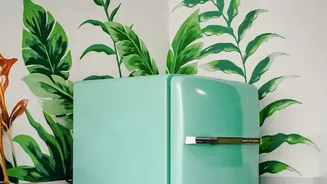
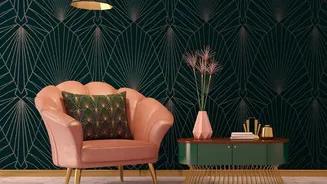
For those who are renting or simply hesitant to make a permanent change, peel-and-stick wallpaper is a game-changer. The market is now flooded with stunning vintage-inspired designs, from Art Deco fans to classic damask and whimsical botanicals. It offers the high impact of traditional wallpaper without the commitment or messy installation. Application is straightforward: just peel the backing and smooth it onto the wall. If you make a mistake, you can often reposition it. When you're ready for a new look or need to move, it peels off without damaging the paint underneath, making it the perfect low-risk, high-reward option.
Get Creative with Stencils
Stenciling is a budget-friendly and highly customisable alternative to wallpaper. It gives you complete control over the colours and placement. You can purchase pre-made vintage pattern stencils online or even create your own. For a subtle effect, use a paint colour that is only a few shades different from your base wall colour. This creates a tone-on-tone effect that adds texture and interest without being visually jarring. For a bolder statement, use a high-contrast colour. Stenciling works best on a smooth, well-prepped wall. Take your time, use a dedicated stenciling brush or roller, and remember to offload excess paint to prevent bleeding under the stencil.
Think Beyond a Full Wall
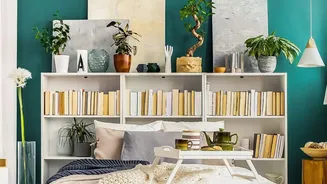
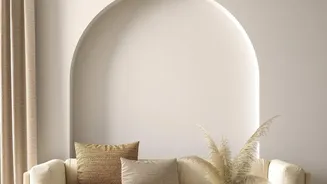
An accent 'wall' doesn't have to be an entire wall. In a small room, you can create a powerful focal point in smaller, more contained ways. Consider applying a vintage pattern to the back of a bookshelf to make your decor pop. You could also frame a large piece of wallpaper like a work of art. Another popular designer trick is the 'half-wall' or wainscoting effect, where you apply the pattern only to the top or bottom half of the wall. This draws the eye upwards or downwards and adds architectural interest without visually closing in the space. Even the wall space inside a small alcove or nook is a perfect candidate for a splash of vintage charm.
Use Fabric for a Softer Touch
For a unique and textural approach, consider using fabric. By creating a simple wooden frame or using liquid starch, you can affix a beautiful piece of vintage-style fabric to your wall. This method adds softness, and the textile can also help with minor sound absorption. It's an excellent choice for bedrooms or living areas where you want a cosier feel. The process is similar to hanging wallpaper but can be more forgiving. Lightweight cottons and linens work best. When you tire of the look, the fabric can be removed and repurposed, making it a sustainable and versatile decorating choice.
Coordinate with Your Decor
The most successful patterned accent wall is one that feels connected to the rest of the room. Pull colours from the pattern to use in your cushions, throws, rugs, or other decor items. This creates a cohesive and intentional look. If your pattern is very bold, keep the major furniture pieces in the room neutral and solid-coloured to give the eye a place to rest. Ensure your accent wall is the star by placing a key piece of furniture against it, like the headboard of your bed or a small console table. This anchors the design and establishes a clear focal point for the entire room.