
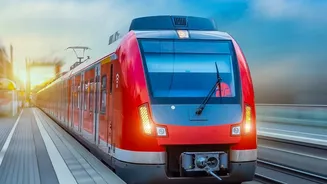
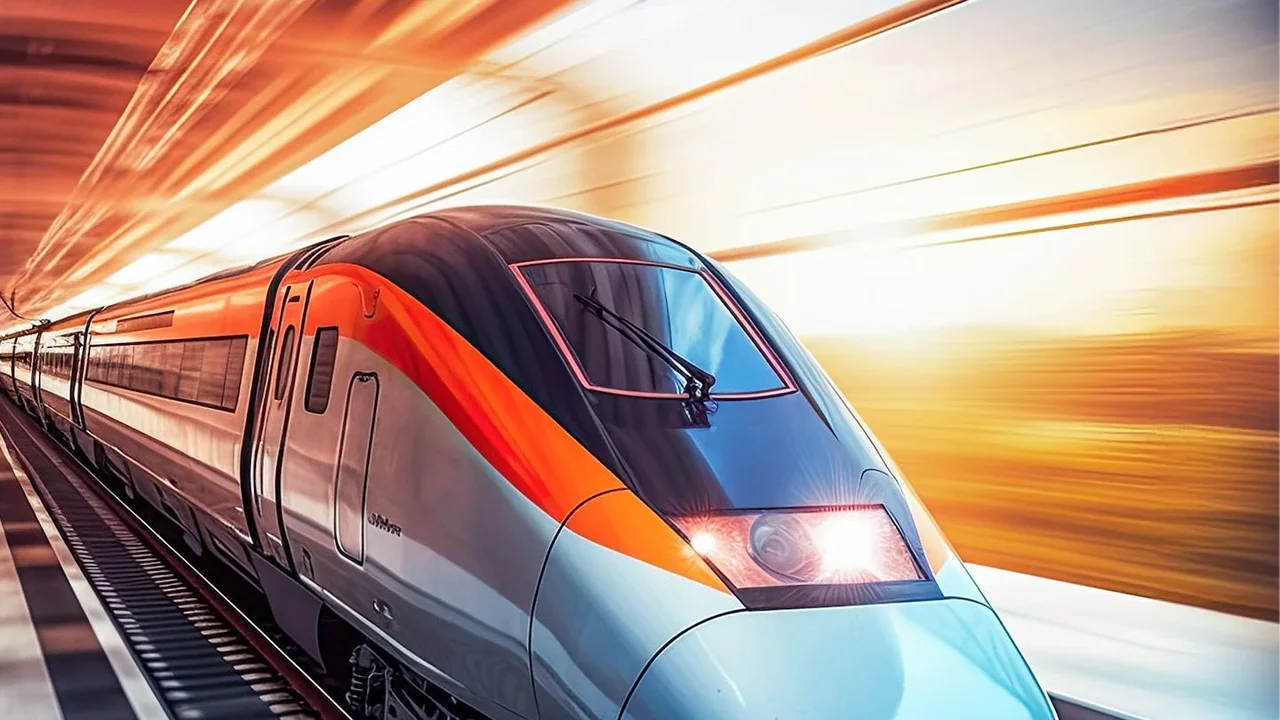

A Project Gaining Unstoppable Momentum
The Mumbai-Ahmedabad High-Speed Rail (MAHSR) Corridor, a project that has been in the works for years, is now advancing at a remarkable pace. Recent updates from officials, including the Railway Minister, confirm that construction is progressing rapidly.
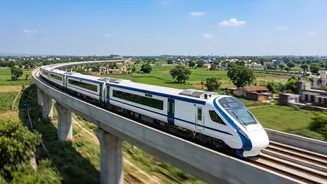
In fact, the first section of the 508-kilometre line, a stretch between Surat and Bilimora in Gujarat, is targeted to become operational as soon as August 2027. This tangible progress is a primary reason for the renewed focus. After facing delays, the sight of completed viaducts, pier work stretching over hundreds of kilometres, and station construction moving ahead has turned the abstract concept into a visible reality for millions. The first test coach for the system is also ready, marking another critical step towards making high-speed rail travel in India a reality.
More Than Just Speed: Shinkansen Tech Arrives
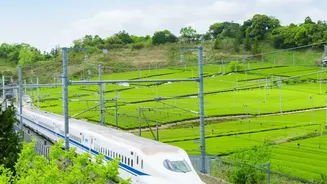
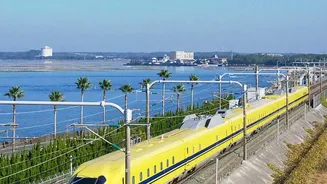
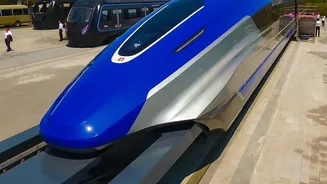
The project is not just about speed; it is about a generational leap in technology and safety for Indian transportation. The corridor is being built using Japan’s famed Shinkansen technology, renowned for its impeccable safety record and reliability. This involves not only the trains themselves but the entire ecosystem, including signalling and track design. The line is designed for a maximum operational speed of 350 km/h, which will slash the travel time between Mumbai and Ahmedabad from over seven hours to just about two. This level of efficiency is set to redefine intercity travel. Furthermore, the project includes impressive engineering feats, such as India's first undersea rail tunnel near Thane Creek, capturing the public's imagination. The focus on safety is also paramount, with noise barriers and wildlife passages being integrated into the design to minimise environmental impact.
An Engine for Economic Growth and Jobs
Beyond the immediate convenience for travellers, the bullet train is being framed as a powerful engine for national development. The massive construction effort has already created thousands of jobs. Economists and officials predict the corridor will act as a major catalyst for economic growth, boosting industrial and commercial activity in key hubs like Surat, Vapi, and Bharuch. By dramatically improving connectivity between India's financial capital and a major economic hub in Gujarat, the project is expected to attract investment, strengthen industrial corridors, and spur urban development around its 12 stations. These stations are being designed as modern, multimodal hubs that will integrate seamlessly with existing transport networks, further enhancing regional mobility and economic opportunity.
A Symbol of a Modernising India
Ultimately, the growing attention is also about what the bullet train represents: a modern, ambitious, and technologically advanced India. The project is a highly visible symbol of the country's push towards modernising its national infrastructure. It is seen as a foundational step that will create the expertise and industrial ecosystem needed for a future network of high-speed rail lines across the country, often referred to as the Diamond Quadrilateral. The 'Make in India' initiative is also a key component, with efforts underway to develop indigenous high-speed train manufacturing capabilities for future corridors. As the first train prepares to roll out for testing, it carries not just the promise of faster travel but the aspirations of a nation stepping into a new era of transportation.