









The Gut-Brain Connection
To understand why slow yoga works, we must first look at the gut-brain axis, the constant communication highway between your digestive system and your mind. When you experience stress, your body enters a 'fight-or-flight' mode, which diverts resources
away from processes like digestion. Yoga, particularly when practiced slowly and with deep breathing, activates the parasympathetic nervous system—often called the 'rest-and-digest' system. This shift signals to your body that it is safe, allowing digestive processes to function optimally. Slow, controlled movements and deep breathing stimulate the vagus nerve, a key regulator of digestion, which helps calm an anxious stomach and restore balance.
The Power of a Conscious Breath
Before you even attempt a pose, the most crucial element for digestive comfort is your breath. Deep, diaphragmatic breathing—or 'belly breathing'—is a cornerstone of this practice. As you inhale, your diaphragm moves down, gently massaging your abdominal organs like the stomach and intestines. This massage stimulates peristalsis, the wave-like muscle contractions that move food through your digestive tract. This simple act of conscious breathing not only reduces stress but also increases the flow of oxygenated blood to your digestive organs, helping them work more efficiently. Techniques like alternate nostril breathing can further help balance the nervous system, pulling you out of a stressed state that inhibits digestion.
Gentle Poses for Immediate Relief
When your stomach feels unsettled, aggressive or fast-paced movements can make things worse. Instead, focus on simple, grounding poses. The Wind-Relieving Pose (Pawanmuktasana) is aptly named; by lying on your back and gently hugging your knees to your chest, you apply mild pressure to the abdomen, which can help release trapped gas. Similarly, the gentle rocking motion of Cat-Cow Pose (Marjaryasana-Bitilasana) massages the abdomen and spine, stimulating movement within the digestive tract. Child's Pose (Balasana) is another excellent choice, as it provides a gentle compression to the belly while simultaneously calming the entire nervous system.
The 'Wring and Release' of Twists
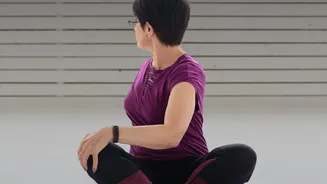
Twisting poses are renowned for their detoxifying and digestive benefits. When you gently twist your torso, you compress the organs on one side, and upon release, fresh, oxygen-rich blood rushes back in. This 'wring and release' action can stimulate a sluggish digestive system and help move things along. A Supine Spinal Twist (Supta Matsyendrasana), performed lying on your back, is a safe and accessible option for almost everyone. Lie down, draw your knees toward your chest, and let them fall gently to one side while keeping your shoulders on the floor. The key is to avoid forcing the twist; move slowly with your breath and only go as far as feels comfortable.
What to Do and What to Avoid
For the best results, practice these poses on an empty stomach, ideally in the morning or at least two to three hours after a meal. If you are experiencing acute discomfort, certain poses should be avoided. Intense core work, deep forward bends, or extreme backbends might increase pressure and worsen symptoms. Instead, opt for restorative poses like Legs-Up-the-Wall (Viparita Karani), which reverses the pull of gravity and promotes relaxation without putting any strain on the abdomen. Remember that consistency is more important than intensity. A short, 15-minute daily practice can yield more significant benefits for digestive health than an infrequent, strenuous session.