






The Quiet Crisis of 'Empty Spain'
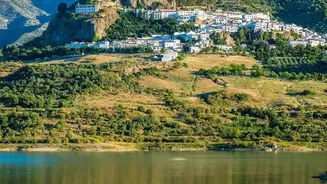
Across Spain, a phenomenon known as 'España Vaciada' or 'Empty Spain' is reshaping the nation. For decades, a steady exodus from the countryside to cities has left thousands of villages with aging populations and dwindling economies. Many municipalities,
especially those with fewer than 1,000 residents, have seen their populations plummet, leading to the loss of essential services and a slow erosion of community life. The problem is stark: while Spain's overall population density is lower than many European neighbors, its people are highly concentrated in urban areas, leaving vast stretches of the territory sparsely inhabited. This hollowing out presents a profound challenge, forcing local communities to find innovative ways to survive and thrive against the tide of depopulation.
An Unexpected Natural Resource
In this landscape of quiet struggle, an unlikely asset has been identified: the sky. In an increasingly light-polluted world, the pristine, dark skies over these depopulated regions are exceptionally rare and valuable. This has given rise to astrotourism, a growing form of sustainable travel where people seek out locations with minimal light pollution to experience the full glory of the cosmos. Organizations like the Starlight Foundation, supported by UNESCO, now certify areas that protect their nocturnal landscapes, turning darkness into a mark of quality. Spain has emerged as a European leader in this field, boasting dozens of Starlight-certified reserves and destinations that guarantee world-class stargazing.
From Starlight to New Life
One prime example of this celestial pivot is Tiedra, a village in the province of Valladolid. Perched in a sparsely populated area with dry air and clear horizons, Tiedra has leveraged its natural astronomical advantages. The village is home to the Tiedra Astronomical Centre (CAT), a Starlight-certified facility that has become a hub for astronomy lovers. The center offers guided day and night observations using powerful telescopes, a planetarium for educational projections, and workshops for all ages. It’s a concerted effort not just to offer a view, but to build a complete scientific and cultural experience that attracts visitors from across Europe, turning what was once just empty night into a destination.
A New Constellation of Opportunity
Astrotourism is about more than just telescopes; it's a catalyst for broad economic renewal. Visitors who come for the stars need places to stay, eat, and explore during the day, injecting vital income into local businesses like hotels, restaurants, and shops. This creates a ripple effect, supporting a whole ecosystem of services and providing new jobs that encourage young people to stay or return. The model diversifies rural economies beyond traditional agriculture and helps combat the seasonal lulls of other tourism types, as the stars are visible year-round. The result is a more resilient and sustainable local economy built on preserving a natural wonder.
More Than Just Tourism
The impact of embracing cosmic darkness goes beyond the economic. For villages fighting to maintain their identity, astrotourism initiatives can restore a profound sense of local pride. It reframes the narrative from one of decline to one of innovation and unique value. It encourages a new kind of tourism that is low-impact and respectful of the natural environment, promoting conservation. By training local guides, hosting photography workshops, and linking stargazing to local folklore and cuisine, communities are creating experiences that are both globally appealing and deeply rooted in their own culture. It's a strategy that doesn’t just attract outsiders, but strengthens the social fabric from within.