




A Victim of Its Own Success
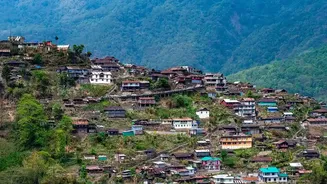
For years, Mawlynnong has been a celebrated model of community-led cleanliness and sustainable living. After being named Asia's cleanest village in 2003, what was once a quiet hamlet became a bustling tourist hotspot. On busy weekends, the village of around
600 residents would welcome up to 1,000 visitors. While tourism brought significant economic benefits, with many families opening homestays and eateries, it also brought challenges. The constant influx of people and vehicles began to strain the village's infrastructure and disturb its peaceful rhythm. Residents found themselves grappling with increased noise, traffic, and litter left behind by some visitors, threatening the very cleanliness that made the village famous.
The Sanctity of Sunday
The decision to halt Sunday tourism is deeply rooted in the village's cultural and religious life. Mawlynnong is a predominantly Christian community, and Sunday has always been a day reserved for church services, family gatherings, and rest. As weekend tourism boomed, villagers found their day of observance was being taken over by the demands of hosting visitors. Instead of spending time in church or with family, they were managing crowds, running shops, and cleaning up. The village council, or Dorbar Shnong, recognised that this was eroding the community's cultural fabric and a core part of their collective identity.
Drawing a Line in the Sand
In response to these pressures, the Dorbar Shnong implemented a new policy effective January 2026: no more day-trippers on Sundays. A simple sign at the entrance now informs visitors of the rule, and villagers politely turn away those who arrive for a day visit. All shops, restaurants, and public facilities are closed. The ban is specifically targeted at single-day tourists, who make up the largest volume of visitors. Tourists who are staying overnight in the village's guesthouses are exempt from the rule and can remain in the village. This allows the community to significantly reduce the footfall and reclaim their day of rest while still accommodating committed visitors.
A Blueprint for Responsible Tourism?
Mawlynnong's decision is more than just a local rule change; it's a powerful statement in the global conversation about overtourism. By prioritising community well-being and cultural preservation over maximum profit, the village is setting a precedent for other fragile destinations. The move has been largely supported by residents, who feel it allows them to have a 'real village life' at least one day a week. While some tourists have expressed disappointment about the inconvenience, the policy highlights a growing awareness that the very things that make a place special—its culture, environment, and tranquility—must be protected. Mawlynnong has demonstrated that it is possible for a community to take control of its own narrative, balancing the economic opportunities of tourism with the essential need to preserve its soul.