







From Spa Days to Forestays
The wellness travel boom has officially broken out of the spa. While massages and hydrotherapy circuits remain popular, a significant shift is underway. Travelers are increasingly seeking experiences that go beyond passive relaxation, looking instead
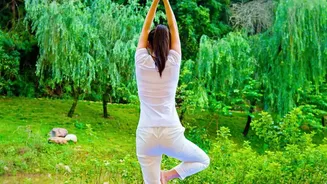
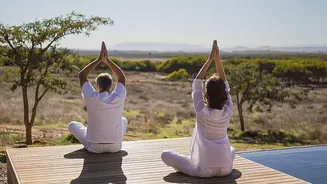
for active, immersive engagement with the natural world. This isn't just about adding a nature walk to a resort package; it's a fundamental change where the outdoors is the main event. Itineraries now feature everything from mountain-top yoga and kayaking to multi-day hiking trips and farm-to-table culinary experiences set in rural landscapes. The focus has moved from isolated treatments to holistic journeys that blend physical activity, mental clarity, and a profound connection to the environment. The new wellness is less about being pampered indoors and more about being revitalized outdoors.
The Science Behind the Scenery
This trend is rooted in a growing awareness of nature's powerful therapeutic effects, a concept known as biophilia—our innate tendency to connect with nature. As modern life becomes more urban and screen-focused, the desire to disconnect and recharge in a natural setting has intensified. Scientific research backs this up, showing that spending time in nature can reduce levels of the stress hormone cortisol, lower blood pressure, improve mood, and boost cognitive function. Studies have found that spending at least 120 minutes a week in a natural environment is associated with better health and wellbeing. This migration outdoors is a direct response to the mental and physical toll of a constantly connected, high-stress world, offering a tangible path to restoration.
The Rise of Nature-Centric Therapies
This movement has given rise to specific, nature-focused wellness practices. One of the most prominent is Shinrin-yoku, or "forest bathing." Originating in Japan in the 1980s as a remedy for burnout, it involves mindfully immersing oneself in a forest atmosphere, a practice proven to lower stress and improve well-being. Unlike hiking, the goal isn't to reach a destination but to engage the senses and connect with the woodland environment. Another growing field is adventure therapy, which uses activities like rock climbing and canoeing in therapeutic contexts to build confidence and resilience. These experiences are often guided by professionals who help participants find personal growth through outdoor challenges. From equine therapy to outdoor sound healing, travel is becoming a medium for structured, nature-based mental and emotional health.
A Deeper, More Meaningful Escape
Ultimately, the move to outdoor wellness reflects a change in what people seek from travel. It’s no longer just about escaping daily life, but about actively improving it. These trips offer more than just a temporary break; they provide tools and perspectives that can be integrated into daily routines. This trend also aligns with a growing interest in sustainability and responsible tourism. Travelers are becoming more conscious of their environmental impact and are seeking authentic experiences that support local ecosystems and communities. By choosing itineraries that revolve around nature, they are opting for a form of travel that is not only good for them but also fosters a greater appreciation for the planet. It’s a shift from consumption-based luxury to experience-based enrichment, where the greatest luxury is a genuine connection to the natural world.