



India's electric vehicle market just shifted into high gear. October 2026 wasn't just another month for car sales; it marked a monumental surge for electric passenger vehicles, blowing past previous records and signalling a decisive turn in consumer preference.
The Numbers Behind the Boom
The data for October 2026 paints a vivid picture of an industry hitting its stride. Retail sales of electric passenger vehicles rocketed to nearly 37,000 units. This represents a staggering year-on-year growth of approximately 76% compared to the 20,995 units sold in October 2025. This impressive leap far outpaced the conventional passenger vehicle market, which saw a decline in the same period. As a result, the market share of electric cars in overall passenger vehicle sales more than doubled, climbing to 7.3% from just 3.5% a year prior, firmly cementing the EV segment as a critical growth engine for the entire auto industry.
Tata Motors Continues to Dominate
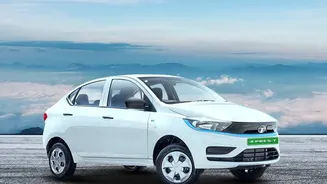
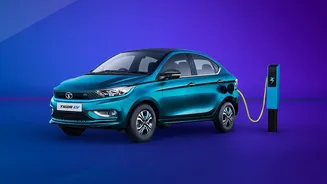
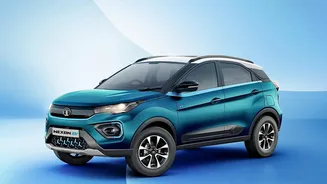
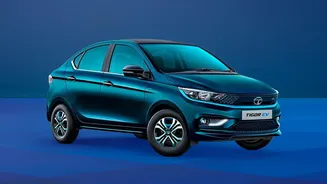
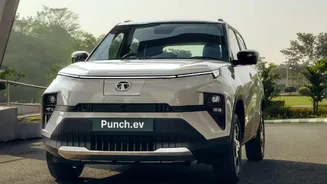
Leading the charge is Tata Motors, which has solidified its position as the undisputed market leader. The homegrown auto giant sold over 14,600 electric vehicles in October, capturing a formidable market share of around 40%. This performance represents a year-on-year growth of nearly 78% for the company's EV division. A significant contributor to this success is the Tata Punch EV, which became the first standalone electric model in India to cross 5,000 wholesale dispatches in a single month. Alongside the ever-popular Nexon EV, Tata's diverse portfolio, which includes models at various price points like the Tiago EV and Harrier EV, gives it a commanding presence across the market.
Mahindra and MG Lead the Challengers
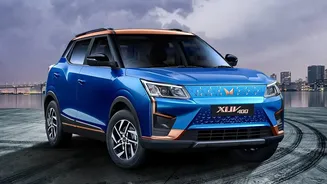
While Tata leads, the competition is intensifying. Mahindra & Mahindra has aggressively scaled its operations, securing the number two spot with impressive growth. The company retailed over 8,500 EVs, marking an 85% year-on-year jump and increasing its market share to over 23%. JSW MG Motor India also posted a solid performance, taking the third position with nearly 6,000 units sold. Together, these top three manufacturers account for over 80% of India's entire electric passenger vehicle market. Their growth highlights a brewing battle for dominance, with both domestic and international players vying for a slice of this rapidly expanding pie.
What's Fuelling the Surge?
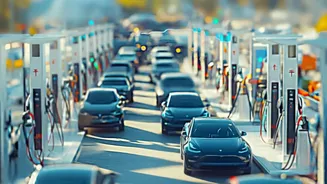
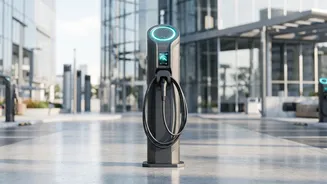
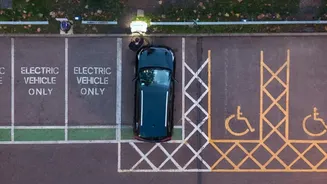
Several factors converged to create this perfect storm of EV demand. The festive season, traditionally a strong period for vehicle purchases, provided a significant boost. But deeper trends are at play. Persistently high petrol prices have made the lower running costs of EVs more attractive than ever, shifting consumer perception from a niche interest to a practical, cost-saving choice. Furthermore, the steady expansion of public charging infrastructure and a wider availability of models with improved range and features are helping to overcome long-standing anxieties about viability. New entrants like VinFast and strong showings from brands like Kia and Maruti Suzuki are also expanding consumer choice and heating up competition.
The Road Ahead
October's record sales are more than just a monthly anomaly; they are a clear indicator of the future trajectory of mobility in India. The surge demonstrates that electric vehicles are no longer a peripheral segment but are rapidly becoming mainstream. For consumers, this means more choices, better technology, and an increasingly viable alternative to internal combustion engines. For the industry, it signals an urgent need to address supply chain constraints and scale up production to meet the booming demand. While challenges remain, the momentum is undeniable. The question is no longer if India will transition to electric mobility, but how quickly it will happen.