






A Festival for Historic Stations
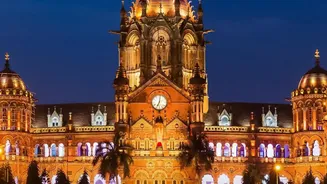
The Railway Board has announced a new initiative called 'Station Mahotsav' to honour the founding anniversaries of these 103 heritage stations. Spanning from August to November 2026, the celebrations aim to transform these transport hubs into cultural
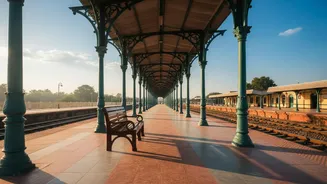
showcases. The programme will feature historical photo exhibitions, displays of vintage railway equipment, and the promotion of local arts and culinary traditions. This effort intends to connect local communities with the unique history of their railway stations, many of which have stood for over a century and a half. Of the selected stations, 72 were constructed in the 19th century, while the remaining 31 were built in the early 20th century, up to the 1930s.
Modernisation Meets Legacy
This heritage celebration is part of a broader vision for Indian Railways. It aligns with the Amrit Bharat Station Scheme, a massive undertaking to redevelop and modernise over 1,300 stations across the country. The core principle of the Amrit Bharat scheme is 'Virasat Bhi, Vikas Bhi' (Heritage as well as Development), which ensures that while stations are upgraded with modern amenities like improved accessibility, Wi-Fi, and better passenger facilities, their designs also incorporate local culture and architectural heritage. The 'Station Mahotsav' complements this by specifically focusing on the storytelling and historical value of these 103 colonial-era structures, ensuring their legacy is not just preserved but actively celebrated.
Howrah Station (1854): Gateway to the East
Among the oldest on the list is Howrah Station in West Bengal, which began operations in 1854. As one of India's busiest railway complexes, its grand red structure is an iconic landmark of Kolkata. Its inclusion in the Mahotsav highlights its foundational role in the country's railway network. The station's distinctive architecture, a blend of Romanesque and traditional Indian styles, has made it a symbol of the railway's enduring presence in eastern India for over 170 years. The festival here will be a tribute to its journey from a modest start to becoming a bustling hub connecting millions.
Old Delhi Station (1867): A Mughal Echo
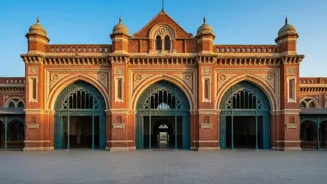
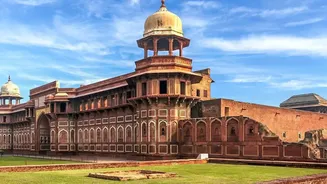
Built near the historic walled city of Shahjahanabad, the Old Delhi Railway Station is an architectural marvel. Constructed in 1867, its design, featuring red sandstone and intricate detailing, was inspired by the nearby Red Fort, creating a distinct Mughal aesthetic. For decades, it was the primary station serving the capital, witnessing countless historical moments. Its selection for the heritage programme recognises its importance not just as a transit point but as a structure that reflects the capital's rich and layered history.
Lucknow Charbagh (1926): A Station Fit for Royalty
Lucknow Charbagh railway station, completed in 1926, is a stunning example of Indo-Saracenic architecture. Designed to resemble a grand palace, it incorporates domes, minarets, and verandas characteristic of Awadhi and Mughal design. Its name, 'Charbagh', refers to the four gardens that were once part of its layout. Famously, from an aerial view, the station building and its lines are said to resemble a chessboard with pieces in play. This architectural gem stands as a testament to an era when railway stations were designed to be monumental civic structures.
Thiruvananthapuram Central (1931): A Southern Landmark
Representing the later period of this heritage list, Thiruvananthapuram Central in Kerala was inaugurated in 1931. It is one of the most important rail hubs in southern India and is admired for its impressive stone masonry and imposing structure. Its inclusion highlights the architectural evolution of railway buildings in the early 20th century. The station serves as a gateway for tourists and pilgrims visiting the state, making its preservation and celebration a key part of showcasing Kerala's modern history and development.