







An Ambitious Fleet Transformation
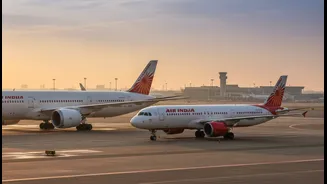
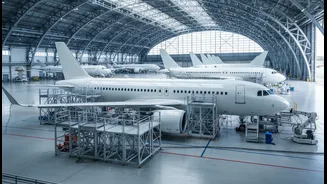
Under the ownership of the Tata Group, Air India Express is undergoing a massive transformation. A core part of this strategy involves a significant fleet expansion, aimed at positioning the airline as a dominant low-cost carrier in India and beyond.
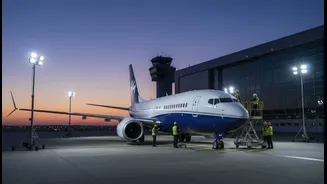
The airline confirmed recently that its expansion plans remain on schedule, expecting to induct 50 to 60 new aircraft over the next 12 to 18 months. This rapid growth is part of the historic 470-aircraft order placed by the Air India Group in 2023, of which 190 Boeing 737 MAX jets were allocated to Air India Express to fuel its short and medium-haul ambitions. The goal is to grow the fleet to approximately 170 aircraft within five years, a dramatic increase from the roughly 25 planes it operated just a few years ago.
Navigating Boeing's Production Challenges
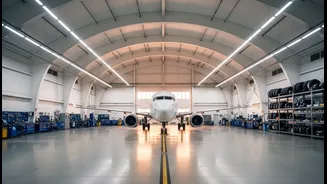
The confirmation that deliveries remain on track is particularly noteworthy given the significant production challenges faced by Boeing. The American aerospace giant has been under intense scrutiny from regulators and has dealt with production caps and supply chain issues that have delayed deliveries for airlines worldwide. The entire aviation industry is grappling with an undersupply of new aircraft, estimated to be around 2,000 jets in 2026 alone. However, Boeing has been working to ramp up its 737 MAX production, recently opening a fourth assembly line to help clear a backlog of over 4,000 planes. The steady flow of aircraft to Air India Express suggests a strong partnership and prioritisation, ensuring the carrier's growth plans are not derailed by wider industry constraints. The airline has been actively inducting new aircraft, with its fleet now crossing the 100-plane milestone.
What This Means for Passengers
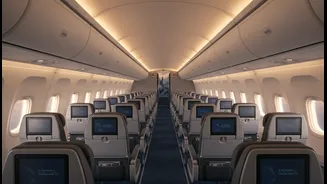
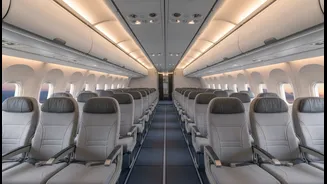
For travellers, the arrival of new Boeing 737-8 aircraft brings tangible benefits. These modern, fuel-efficient planes are key to expanding the airline's network, connecting more Tier-II and Tier-III cities in India to its domestic and international network. Air India Express has already been launching new routes, such as those from the new Navi Mumbai airport to Abu Dhabi, and from other Indian cities to destinations in the Middle East and Southeast Asia. The new aircraft also feature modern cabin interiors designed to enhance passenger comfort. As the fleet grows, passengers can expect increased flight frequencies, more direct connectivity, and a more consistent and modern onboard experience. The airline is also in the process of retrofitting its entire fleet to a standardised all-economy configuration to streamline its low-cost model.
The Bigger Picture for Indian Aviation
Air India Express's successful fleet expansion is a significant development in India's hyper-competitive aviation market. It strengthens the airline's ability to compete with other major low-cost carriers like IndiGo and Akasa Air, the latter of which also has a large order for Boeing 737 MAX aircraft. The steady induction of new planes is a crucial component of the Air India Group's broader strategy to capture a larger share of both domestic and international traffic. The West Asia and UAE market is particularly vital, accounting for a substantial portion of the group's business. By maintaining its delivery schedule, Air India Express is ensuring it has the capacity to meet strong passenger demand and solidify its position as a key player in one of the world's fastest-growing aviation markets.