






The Paradox of Power
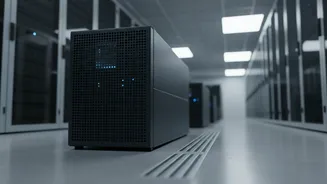
India's Uninterruptible Power Supply (UPS) market is growing, with forecasts predicting its value to exceed USD 400 million by the end of the decade, driven by digitization and industrial expansion. However, these headline numbers mask a more complex
reality. While demand is surging in high-stakes sectors like data centres, healthcare, and advanced manufacturing, broader adoption among small-to-medium enterprises (SMEs) and households remains sluggish. This creates a paradox: as reliance on digital tools and constant connectivity becomes non-negotiable, the very equipment that ensures operational continuity is still not a default investment. This gap between need and uptake is particularly pronounced given that frequent power outages and voltage fluctuations remain a reality across many parts of the country, especially in semi-urban and rural areas.
The High Cost of Entry
The most significant barrier to wider UPS adoption is the upfront cost. For many small businesses and households, a high-quality UPS system represents a substantial capital investment. Prices for a basic online UPS for a small office can start from ₹20,000 and run into lakhs for larger industrial units. This initial outlay is often hard to justify for businesses operating on thin margins. The financial burden doesn't end with the purchase; the total cost of ownership includes maintenance and, crucially, battery replacement. The lead-acid batteries commonly used in UPS systems have a finite lifespan of 3-5 years, representing a recurring expense that many potential buyers are wary of. While more efficient and longer-lasting lithium-ion options exist, their higher initial cost keeps them out of reach for much of the market.
Competition from 'Good Enough' Alternatives
In the Indian context, the UPS does not operate in a vacuum. It competes directly with the ubiquitous home inverter. For many, the terms are used interchangeably, but they serve different core functions. An inverter is designed for long-duration backup to power lights, fans, and televisions, but has a slight delay in switchover time that can cause sensitive electronics like computers to reboot. A UPS, by contrast, offers instantaneous switchover, protecting data and delicate circuitry, but typically provides only a few minutes of backup—enough to save work and shut down safely. Because widespread power cuts have historically been the main problem, many households and small shops have prioritized long backups (inverters) over instantaneous protection (UPS), creating a market where the 'good enough' solution often wins.
A Misleading Sense of Security
Ironically, improvements in India's power grid may also be contributing to the slower uptake of UPS systems. In major urban centers, the duration and frequency of outright blackouts have decreased, leading some to believe that power protection is less critical than before. However, this overlooks the more subtle threats that a UPS is designed to combat. The grid may be more stable, but it is still prone to voltage sags, surges, and electrical 'noise' that can degrade or destroy sensitive electronics over time. A standard inverter offers little to no protection against these fluctuations. The lack of awareness about the power conditioning role of a UPS—as opposed to just its battery backup function—means many users remain unknowingly exposed to significant risks.
The Rise of Smarter, Greener Power
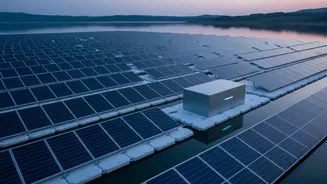
The market is also evolving. There's a growing trend towards modular and 'green' UPS systems that offer higher efficiency and lower operating costs. Some modern designs can cut energy use by up to 75% compared to older models. Furthermore, the government's push for rooftop solar through initiatives like the PM Surya Ghar scheme is encouraging households to invest in solar-hybrid power conditioning units (PCUs) from the outset. These integrated systems manage power from solar panels, the grid, and batteries, making a standalone, non-solar UPS a less attractive long-term investment for those planning a future solar installation. This shift towards integrated and eco-friendly solutions is reshaping purchasing decisions, especially in the residential segment.