






The Allure of the Wedding Shred
As the big day approaches, the desire to look and feel your absolute best is completely natural. This often translates into a fitness goal, driven by dress fittings and the promise of lifelong photos. The wedding industry can sometimes amplify this pressure,
leading many to consider extreme, short-term fitness plans that promise rapid results. The temptation of a 'quick fix' is strong, especially when wedding planning leaves you with little time and a lot of stress. These crash courses in fitness seem like an efficient solution to a short-term goal, but they often overlook the most important factor: your overall wellbeing.
The Hidden Costs of Crash Fitness
Extreme diets and workout plans come with significant risks that can cast a shadow over what should be a happy time. Drastically cutting calories can lead to nutrient deficiencies, muscle loss, and a slowed metabolism, making it harder to maintain any weight loss long-term. Physically, you might experience fatigue, weakness, dizziness, and headaches—none of which are ideal while juggling vendors and finalising details. Mentally, the impact can be just as severe. Restrictive diets often increase stress, anxiety, and irritability, potentially creating an unhealthy relationship with food. Furthermore, pushing your body too hard, too fast can lead to injury, which could leave you sore or sidelined for your wedding day. The results from these plans are rarely sustainable; many people regain the weight shortly after resuming normal habits.
The Gentle Power of Consistency
The alternative to a last-minute panic is a longer, more thoughtful approach. Starting a fitness routine six months or more before the wedding allows for gradual, sustainable progress without the pressure. This approach is about building healthy habits that last long after the honeymoon. Consistent, moderate exercise improves cardiovascular health, builds real strength, and is a powerful tool for managing the inevitable stress of wedding planning. By focusing on long-term goals, you give yourself time to find activities you genuinely enjoy, making exercise a welcome part of your routine rather than a dreaded chore. This slow-and-steady method allows your body to adapt, reduces the risk of injury, and gives you time to make any necessary adjustments to your plan or even your wedding attire.
Crafting Your Everyday Fitness Plan
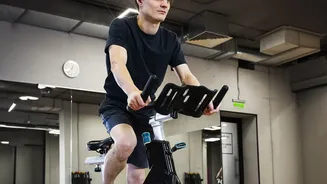
So, what does 'everyday fitness' look like? It’s simpler than you think. It's not about spending hours in the gym, but about finding ways to move your body that you enjoy and can stick with. This could be daily 30-minute walks, online yoga or Pilates classes, or joining a local dance or spin class. Incorporating strength training a few times a week is also beneficial; it helps build muscle, which in turn burns more fat and helps create a toned physique without bulking up. The key is to set realistic, specific goals—not just a number on a scale, but perhaps running a certain distance or feeling more energised. Finding a routine that works with your life, even if it’s just 10-minute workouts scattered through the day, is the secret to success.
Beyond Exercise: A Holistic Approach
A truly healthy pre-wedding plan isn't just about workouts. Nutrition is a massive piece of the puzzle. Instead of crash dieting, focus on 'clean eating'—a diet rich in whole, natural foods like fruits, vegetables, and lean proteins, while reducing processed foods and refined sugar. Hydration is also crucial; drinking enough water impacts everything from your metabolism to your skin’s glow. Finally, don't underestimate the power of rest. Quality sleep and stress management techniques like meditation are vital. High stress levels can affect your results even if you're eating well and exercising. In the final week before the wedding, it's wise to taper your workouts, reducing intensity to allow your muscles to recover and to prevent any last-minute soreness or inflammation.