







Impact: The Shock to Your System
When it comes to joint health, the difference between these two activities is significant. Skating, whether on inline skates or roller skates, is celebrated as a low-impact exercise. The smooth, gliding motion means your knees and ankles experience about
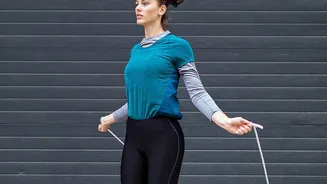
50% less stress compared to running. This makes it an excellent choice for individuals with joint sensitivities or those looking for a cardiovascular workout that is gentle on the body. The fluid movement protects articular cartilage from the kind of shock that can lead to long-term wear and tear.\n\nJumping rope, on the other hand, is technically a high-impact activity because both feet leave the ground. However, the real-world effect on your joints depends heavily on technique. When done correctly—with small, controlled hops of just an inch or two on the balls of your feet—the impact is surprisingly low, even lower than running. This repetitive, weight-bearing stress is actually beneficial for increasing bone density, which can help reduce the risk of osteoporosis as you age. But for those with pre-existing knee or ankle issues, or with poor form, the repetitive impact can lead to injuries like shin splints.
Balance: A Tale of Two Skills
Both jumping rope and skating are excellent for improving your coordination, but they challenge your balance in different ways. Skating is fundamentally about dynamic balance—the ability to maintain control while your body is in motion and your base of support is constantly changing. You must continually engage your core, hips, and leg muscles to stay upright, make turns, and adjust to different surfaces. This builds exceptional stability and body awareness over a changing environment.\n\nJumping rope hones a different kind of coordination. It requires rhythm, timing, and the ability to maintain a stable posture while performing a repetitive movement. While basic jumping uses static balance, more advanced tricks like single-leg hops or crossovers introduce a dynamic component. This kind of coordination is fantastic for developing quick footwork and athleticism that translates well to other sports. Essentially, skating teaches you to balance while moving through space, while jumping rope teaches you to balance while controlling a precise, rhythmic action in one spot.
Calorie Burn and Muscles Worked
If your primary goal is to burn calories in a short amount of time, jumping rope is one of the most efficient exercises available. A moderately paced session can burn between 10 to 16 calories per minute, making it a high-intensity workout that engages the entire body. It strengthens your calves, shoulders, and forearms, and a heavier rope will also engage your core for stability.\n\nSkating provides a fantastic workout as well, burning roughly 8 to 12 calories per minute at a steady pace. While it is a full-body workout, it places a special emphasis on the lower body. The side-to-side pushing motion is incredibly effective at toning the glutes, thighs, and hard-to-reach adductor muscles. It also heavily relies on your core and lower back muscles to maintain balance, leading to improved overall strength and stability.
The Verdict: Which is Right For You?
Ultimately, the best choice depends entirely on your personal fitness goals and physical condition. There is no single 'winner' between these two excellent forms of exercise.\n\nChoose skating if:\n- You need a low-impact workout to protect your joints.\n- You want to build lower body and core strength specifically.\n- You enjoy exercising outdoors and exploring your surroundings.\n- Your goal is to improve your dynamic balance and stability while in motion.\n\nChoose jumping rope if:\n- Your main goal is maximum calorie burn in a short amount of time.\n- You want to improve bone density through a weight-bearing exercise.\n- You need an inexpensive, portable workout you can do almost anywhere.\n- You are looking to enhance your coordination, rhythm, and athletic footwork.