

The Viral Ideal vs. The Real Thing
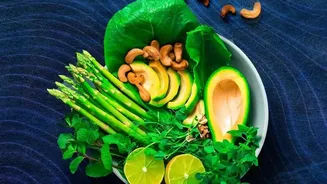
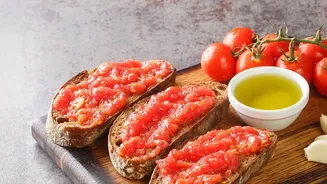
Scroll through social media, and you will find an endless stream of content tagged #mediterraneandiet. These posts often show beautifully plated meals: colourful salads, grilled fish, artisan bread dipped in golden olive oil, and maybe a glass of red
wine. It’s an aesthetic that promises health, longevity, and a touch of European sophistication. However, research into these online trends reveals a significant disconnect. Studies have found that much of the information on platforms like TikTok is misleading, often promoting foods like red meat or refined carbs that are not part of the scientifically recognized diet. The viral version often confuses any food from the region with the specific, health-promoting eating pattern.
More Than a Diet, It's a Lifestyle
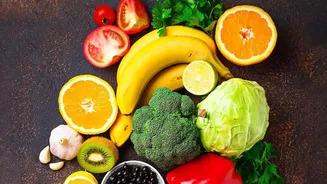
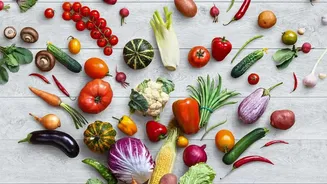
The authentic Mediterranean diet is not just a list of approved foods; it's a way of life, a concept the ancient Greeks called 'diaita'. This lifestyle is so culturally significant that it's recognized by UNESCO as an Intangible Cultural Heritage of Humanity. It involves skills, rituals, and traditions around growing, harvesting, and cooking. Crucially, it emphasizes eating together, making meals a foundation of social exchange and community identity. The real Mediterranean diet is plant-forward, built on seasonal vegetables, fruits, legumes, and whole grains. Olive oil is the primary source of fat, with moderate consumption of fish and dairy, and very limited red meat. This holistic approach—which includes physical activity and social connection—is what contributes to the well-documented health benefits, not just a photogenic plate of food.
The Sticker Shock in an Indian Context
For many in India, attempting to replicate the viral version of the diet can be an expensive exercise. Key ingredients like extra virgin olive oil, imported cheeses like feta, certain nuts, and specific types of fish are not only costly but may not be readily available everywhere. Relying on these imported items makes the diet unsustainable for the average household budget. This financial barrier is a critical piece of context often missing from aspirational online posts. Insisting on specific, non-local ingredients can turn a fundamentally simple, peasant-style diet into a luxury lifestyle choice. This directly contradicts the spirit of the original diet, which was based on accessible, affordable, and seasonal local produce.
Adapting the Principles, Not the Shopping List
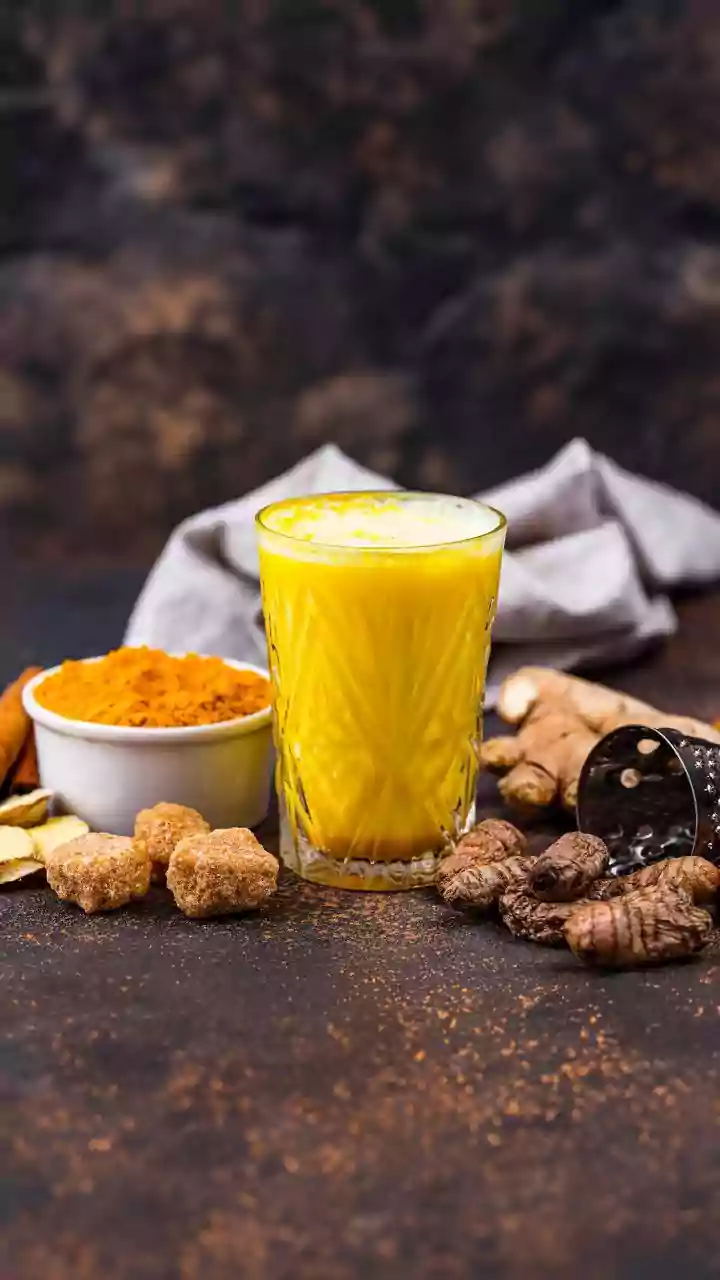
The good news is that the core principles of the Mediterranean diet can be seamlessly adapted to an Indian kitchen without a hefty price tag. In fact, traditional Indian cuisine already shares many fundamentals: a heavy reliance on vegetables, lentils (dal), and legumes (chana); the use of fermented dairy like yogurt; and a rich tradition of using anti-inflammatory spices like turmeric and ginger. The key is to focus on the 'how' rather than the 'what'. Instead of expensive olive oil, heart-healthy and locally used fats like mustard or groundnut oil can be used in moderation. Rather than chasing imported grains, one can focus on Indian whole grains and millets. The goal is not to eat like someone in Greece, but to apply the principles of eating fresh, whole, plant-centric foods within your own cultural and culinary framework.