




Understanding Vertical Gardens
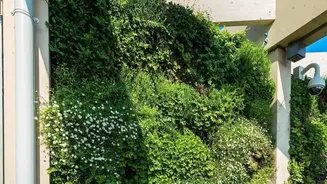
A vertical garden is a method of growing plants on a vertically suspended panel or structure. These structures can be as simple as wall-mounted pots or as elaborate as multi-tiered systems with built-in irrigation. The concept is ideal for urban dwellers
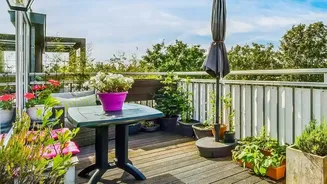
in India, where apartment balconies and small patios are often the only available outdoor space. By growing upwards, you can cultivate a surprising number of plants—from ornamentals to edibles—in just a few square feet, improving air quality and adding a touch of nature to your home.
Choosing Your System
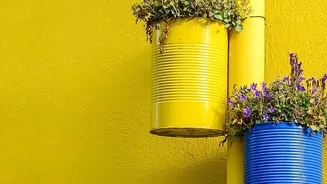
Getting started is easier than you think. There are several types of vertical garden systems to suit different spaces and budgets. Fabric pocket planters are a popular and affordable choice, perfect for growing herbs and annuals. Tiered or stacked planters are free-standing and can be placed in any sunny corner. For a more permanent solution, you can install wall-mounted containers or a trellis for climbing plants. DIY enthusiasts can even create systems from recycled pallets or wooden frames, offering a customisable way to bring a green wall to life.
Wonderful Ferns for a Shady Wall
Ferns are perfect for adding a soft, lush texture to your vertical garden, and many thrive in the partial shade often found on balconies. The Boston Fern is a classic choice, known for its arching, feathery fronds that create a full, vibrant look. For something more delicate, consider the Maidenhair Fern, though it requires consistent humidity. The Bird's Nest Fern offers a more modern aesthetic with its broad, wavy, and solid leaves, making a striking statement in a wall planter. These plants generally prefer moist soil and a bit of humidity, which can be achieved with regular misting.
Aromatic Herbs at Arm's Reach
Imagine stepping out onto your balcony to snip fresh herbs for your cooking. Vertical gardens make this a reality. Many herbs are compact and grow well in containers. Mint varieties are famously easy to grow and will quickly fill their space. Basil, a staple in many kitchens, loves sun and responds well to regular harvesting. Coriander is another excellent choice, especially for cooler seasons, as it grows quickly. Other great options for vertical herb gardens include parsley, chives, and thyme, all of which stay relatively small and can be packed into a multi-pocket planter.
Hardy Succulents for Sunny Spots
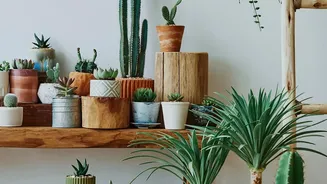
If your space gets a lot of direct sun and you prefer low-maintenance plants, succulents are the way to go. Their ability to store water makes them forgiving if you occasionally forget to water them. Varieties like Burro’s Tail (Sedum morganianum) and String of Pearls (Senecio rowleyanus) are excellent trailers that will cascade beautifully down your wall. Echeverias and Sempervivums form tight, rosette shapes and come in a stunning array of colours, adding a sculptural element to your garden. These plants require well-draining soil and plenty of light to thrive.
Essential Care and Maintenance
Caring for a vertical garden has its own set of rules. Because the soil volume in each container is small, they tend to dry out faster than traditional pots and may need more frequent watering. It's crucial to check the soil moisture every couple of days. A good potting mix designed for containers is essential for ensuring proper drainage and aeration. Regular pruning helps maintain the shape of your plants and encourages fuller growth. Since nutrients can be washed out with frequent watering, you may need to apply a water-soluble fertiliser every few weeks during the growing season to keep your plants healthy and vibrant.