


Beyond the Usual Pantry
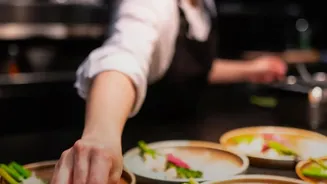
In restaurants from Mumbai to the Himalayas, a quiet revolution is taking place on the plate. Chefs are looking past conventional supply chains and rediscovering the immense biodiversity of India’s forests. This is not about chasing a fleeting trend seen
in the West; it is a deeper movement to connect with food at its most fundamental level. Chefs like Prateek Sadhu, formerly of Masque and now at Naar in Himachal Pradesh, and Radhika Khandelwal of Fig & Maple in New Delhi, are among the pioneers exploring what it means to cook with ingredients sourced directly from their natural environment. Their menus might feature dishes and flavours that are unfamiliar to urban diners but have been part of local diets for centuries, creating a direct link between the dining table and the forest floor.
A Taste of the Wild
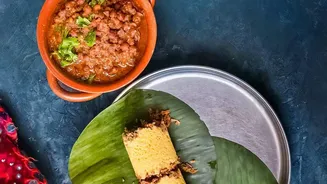
The ingredients finding their way into these modern kitchens are as diverse as India’s landscape. In the Himalayas, chefs are working with the tart sea buckthorn berry and the crisp, coiled fiddlehead fern, known locally as ‘lingri’. In central India, the fleshy, fragrant Mahua flower, with its caramel and date-like sweetness, is being transformed into desserts, glazes, and even vinegars. Along the coasts and in monsoon-rich regions, wild greens like ‘takla’ and tubers such as ‘karande’ or air potato are making appearances. These ingredients offer more than just novelty; they possess complex flavours shaped by their wild environment, a quality that mass-produced crops often lack. The fiddlehead fern, for example, known as ‘dhekia xaak’ in Assam and ‘therme thoppu’ in Coorg, has a tender, nutty taste that speaks of the specific soil and season it came from.
Learning from the Land's Experts
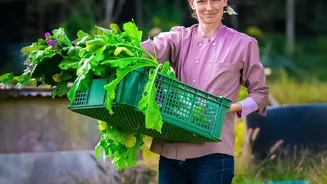
This culinary movement is not one of 'discovery' but of 'learning'. Foraging for wild edibles is a practice that has been integral to forest-dwelling and Adivasi communities for generations. These communities hold a vast repository of traditional ecological knowledge: what to pick, when to pick it, and how to prepare it. Recognizing this, conscientious chefs are building relationships with local foragers and farmers. The process is a collaborative one, where chefs are guided by the wisdom of those who have lived in harmony with these ecosystems for centuries. This exchange is crucial, as it shifts the narrative from chefs being heroic discoverers to becoming students of an ancient practice. It’s about preserving not just ingredients, but the traditions and knowledge surrounding them.
Foraging with Responsibility
As the interest in foraged ingredients grows, so does the risk of turning it into a commercialised 'hype' that could harm both ecosystems and communities. The key challenge is to ensure the practice remains sustainable. Overharvesting can deplete natural resources, and the misidentification of plants can be dangerous. Ethical foraging means understanding what not to take and ensuring that the local community's nutritional sources are not compromised for the sake of a restaurant menu. This is why many chefs work with organisations that partner with tribal communities to source only what is abundant and not essential for local consumption. The goal is to create a system that is respectful and reciprocal, where the spotlight on a wild ingredient also brings respect and recognition to the communities that have been its custodians.