




India's electric car market just had a blockbuster October, with retail sales surging an incredible 76.5% compared to the same month last year. This jump reveals a major shift in consumer appetite, driven by new models and fierce competition.
The Numbers: A Massive Year-on-Year Leap
Retail sales
of electric passenger vehicles in India reached 37,049 units in October 2026, a massive 76.47% increase from the 20,995 units sold in October 2025. This data, released by the Federation of Automobile Dealers Associations (FADA), confirms the rapid acceleration of EV adoption across the country. The surge is so significant that electric cars now account for 7.3% of all passenger vehicles sold, more than double their 3.5% market share from just a year ago. While there was a slight dip compared to September 2026, the year-on-year growth paints a clear picture of a market hitting a new phase of maturity.
Who's Winning the EV Race?
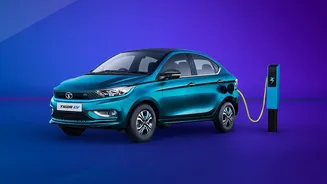
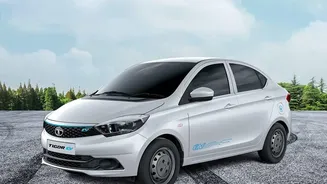
Tata Motors continues its reign as the leader in the electric car segment, retailing 14,669 units in October 2026. This represents a staggering 77.6% growth for the company compared to the previous year. However, the competition is heating up. Mahindra & Mahindra secured a strong second place with 8,538 units, demonstrating an impressive 85.7% year-on-year growth. MG Motor, now under JSW MG Motor India, held onto the third spot with 5,939 units sold. Perhaps the most dramatic story is that of newcomer VinFast, which saw its sales skyrocket by over 1,700% from just 142 units in October 2025 to 2,571 units this year. Even luxury brands are seeing a major uptick, with players like BMW and Tesla posting significant gains.
More Choices, More Buyers
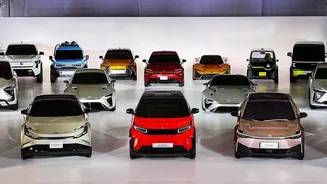
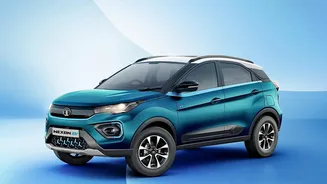
A key driver of this sales explosion is the sheer variety of new models hitting the showrooms. Automakers have been aggressively launching new electric vehicles across multiple price points, from affordable compacts to luxury SUVs. Tata has expanded its portfolio with models like the Punch EV and Harrier EV, building on the success of the Nexon EV. Mahindra has also become a formidable competitor with its electric SUV lineup. The festive season in October traditionally boosts car sales, and in 2026, this period was marked by the launch of several highly anticipated EVs, including premium offerings like the Mercedes-Benz GLC Electric. The availability of more options, particularly in the popular SUV segment, has been crucial in convincing more buyers to make the switch.
Government Policy and Evolving Subsidies
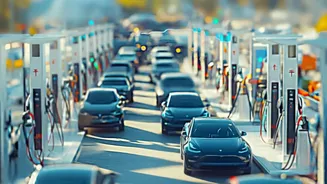
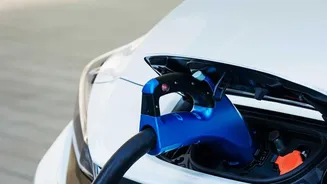
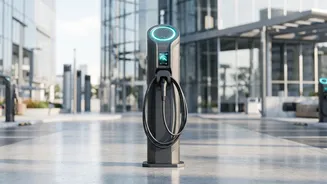
While direct purchase subsidies from the central government for private electric cars have been phased out, a supportive policy framework continues to fuel growth. The most significant central incentive is the low 5% GST rate on EVs, compared to 28% or more for petrol and diesel cars. This provides a substantial price advantage. Furthermore, many state governments offer their own incentives, such as waivers on road tax and registration fees, which can save buyers lakhs of rupees. Policies in states like Delhi and Maharashtra have been particularly aggressive in promoting EV adoption. The government's focus has shifted towards building out charging infrastructure, with thousands of new chargers being targeted under schemes like PM E_DRIVE, addressing one of the main concerns for potential buyers.
What's Driving the Customer Shift?
Beyond new models and government support, a fundamental shift in consumer mindset is underway. Rising and volatile fuel prices have made the lower running costs of EVs more attractive than ever. Coupled with this is a growing awareness of the environmental benefits and improved battery technology that offers longer, more practical ranges. The total cost of ownership, which includes fuel and maintenance, is now a major consideration for Indian car buyers. As battery costs decrease and local manufacturing scales up, the upfront price difference between EVs and their internal combustion engine counterparts continues to shrink, making the electric option a financially sensible choice for a growing number of families.