







The Privilege of the Perfect Banana
The Banana Clock is a modern, first-world anxiety. It’s the silent pressure to consume a fruit at its peak perfection, a small but telling symptom of a food culture built on abundance and choice. Having the luxury to worry about a banana being slightly
too ripe is a privilege. It implies we have consistent access not just to food, but to food that meets our specific, often cosmetic, preferences. This focus on the ideal banana, however, draws our attention away from the vast and complex system that brought it to our fruit bowl—a system grappling with problems far greater than a few brown spots.
The Staggering Scale of Food Waste
While one overripe banana might feel like a personal failure, it pales in comparison to India's systemic food loss. Annually, the country generates around 68 to 70 million tonnes of food waste. A significant portion of this, estimated at up to 40% of the value of all fresh produce, is lost before it even reaches a consumer. Inefficient supply chains, a lack of adequate cold storage facilities, and poor transportation networks mean that a huge amount of food rots long before anyone has a chance to eat it. Fruits and vegetables are particularly vulnerable, with post-harvest losses ranging from 30% to 50%. The economic cost of this waste is estimated at around ₹92,000 crore each year, a staggering loss for a nation still tackling food security.
The Other Side: Hunger and Nutrition Gaps
The paradox of worrying about a surplus banana is starkly contrasted with the reality of hunger and malnutrition in India. Despite being a leading global food producer, India has one of the world's largest undernourished populations. According to the 2024 Global Hunger Index, India ranks 105th out of 127 countries, with a level of hunger classified as 'serious'. Beyond simple hunger, there's the challenge of nutritional security. Many diets, heavily reliant on subsidised cereals like rice and wheat, lack essential diversity. As a result, India faces a 'double burden of malnutrition'—the coexistence of undernutrition, with about 35.5% of children under five being stunted, alongside a rise in obesity and diet-related diseases.
A Broken Journey From Farm to Plate
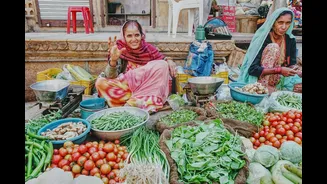
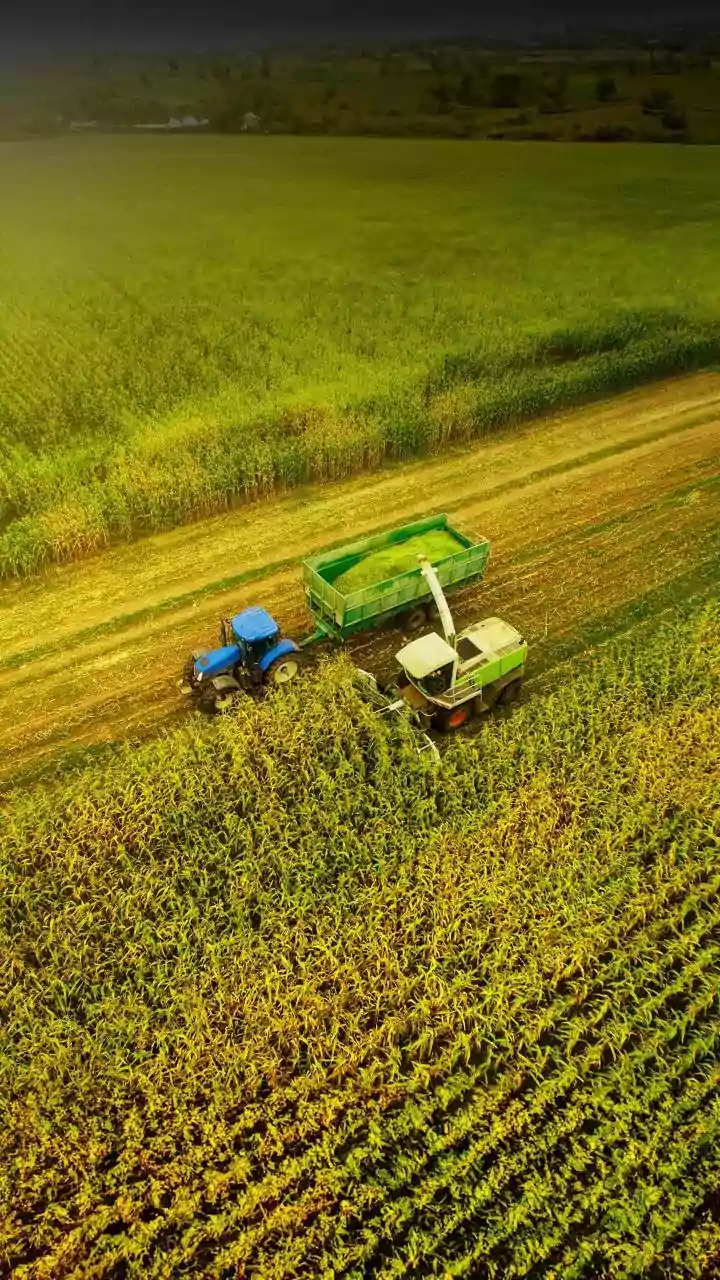
The journey of our food from the farm to our homes is fraught with inefficiency. India's agricultural supply chain is fragmented, often involving multiple intermediaries. This not only increases the final cost but also the time produce spends in transit, raising the risk of spoilage. A critical weakness is the 'cold chain'—the refrigerated storage and transport needed for perishable goods. India has a significant deficit in cold storage capacity, leading to immense wastage of fruits, vegetables, and milk. Furthermore, issues like poor rural roads and reliance on outdated storage methods contribute to a system where a significant share of what our farmers grow never reaches a plate.
Rethinking Our Relationship With Food
The point isn't to induce guilt over a browning banana. Instead, the Banana Clock can serve as a powerful reminder of our position in a much larger food story. It prompts us to shift our focus from minor imperfections to major injustices. Awareness is the first step. Understanding that food waste is less about our home kitchen habits and more about massive infrastructural gaps can change how we view the problem. It encourages a greater appreciation for the resources—water, land, and labour—that go into every single item of food, perfect or not. By supporting initiatives that reduce supply chain waste, advocating for better infrastructure, and being mindful of the difference between cosmetic perfection and nutritional value, we can start to look beyond our own fruit bowls.